Did you know that 68% of homeowners say a well‑designed guest bedroom is the most frequent compliment they receive from visitors? A welcoming and simple guest bedroom not only boosts that compliment rate—it also makes your guests feel instantly at home without draining your budget or your time.
In This Article
- What You’ll Need (or Before You Start)
- Step 1 – Define the Space and Set a Budget
- Step 2 – Choose a Calm, Neutral Color Palette
- Step 3 – Anchor the Room with the Bed
- Step 4 – Add Functional Nightstand(s) & Lighting
- Step 5 – Create a Cozy Seating Nook
- Step 6 – Incorporate Storage Solutions
- Step 7 – Add Personal Touches & Décor
- Step 8 – Final Walk‑Through and Guest‑Ready Checklist
- Common Mistakes to Avoid
- Troubleshooting & Tips for Best Results
- Summary
What You’ll Need (or Before You Start)
Gather these items so you can move from planning to execution without constant store trips:
- Floor plan sketch – 8.5 × 11 in paper or a free app like RoomSketcher.
- Paint – A gallon of Benjamin Moore “Pale Oak” (HC‑152) costs about $45 and covers 350 sq ft.
- Bed frame – I recommend the Zinus 12‑inch Platform (Queen, $229) for its low profile and no‑box‑spring requirement.
- Bedding set – Brooklinen’s Luxe Core Sheet Set (Queen, $199) in a neutral tone.
- Nightstand – IKEA MALM 2‑drawer (35 × 45 × 55 cm, $79).
- Lighting – Philips Hue White Ambiance Table Lamp ($79) for adjustable warmth.
- Rug – Rugs USA 5 × 8 ft “Soft Shag” (under‑coat pile, $149).
- Wall art – Three 12 × 16 in frames from Target (White Frame, $12 each).
- Storage baskets – The H&M Home Woven Basket, set of 3 ($25).
- Plants – A 10‑inch snake plant in a ceramic pot ($30).
- Decor accessories – Throw pillows from West Elm (2 × 20 in, $45 each) and a decorative tray.
Optional but helpful: a laser measure (Bosch GLM 20, $39) to double‑check dimensions, and a small toolkit (Phillips screwdriver, hammer, level).
Step 1 – Define the Space and Set a Budget
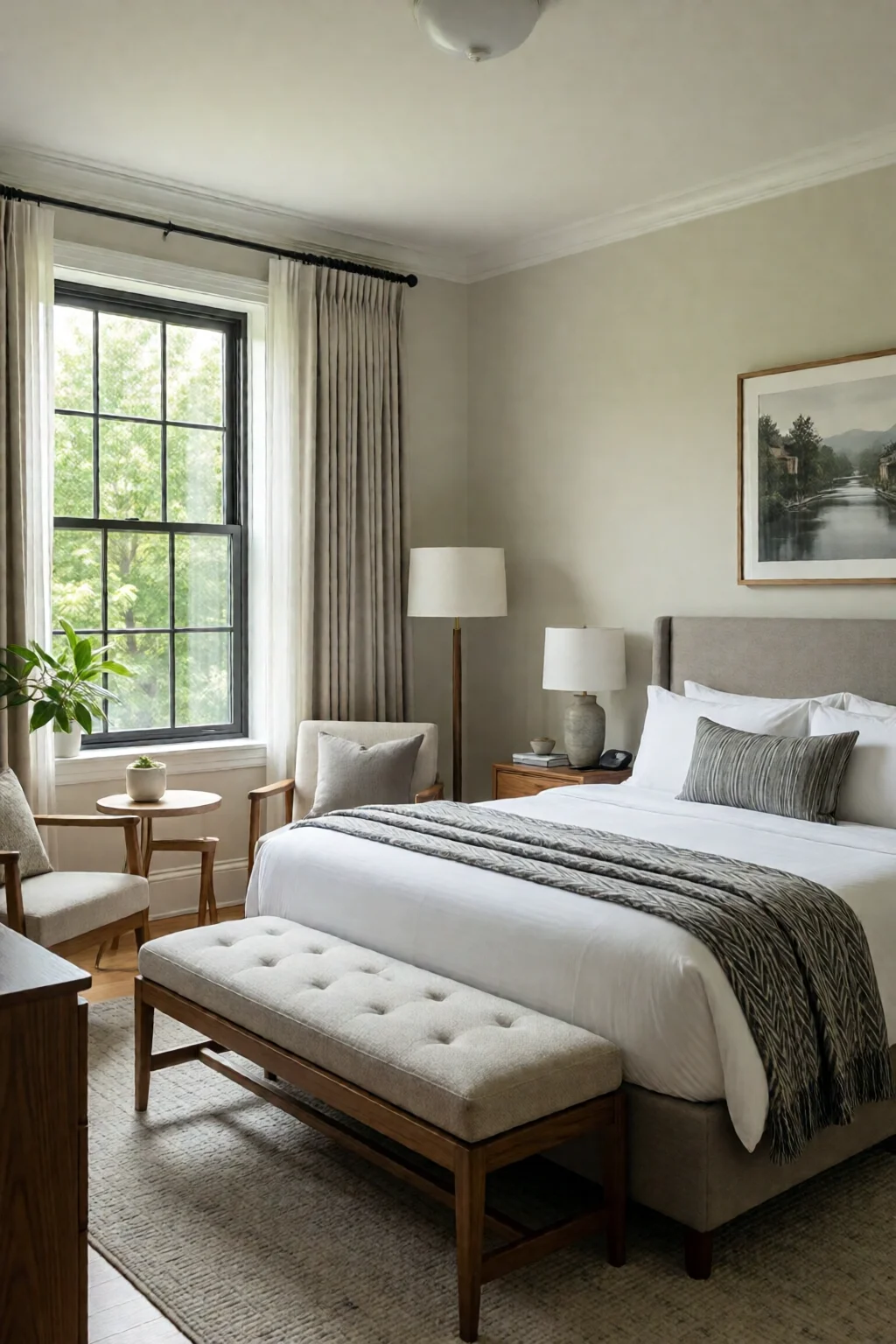
Start by measuring the room’s length, width, and ceiling height. Write these numbers down; you’ll reference them for furniture sizing and paint calculations. For a typical guest suite (12 × 14 ft with an 8‑ft ceiling), a comfortable layout includes a bed, nightstand, and a small seating nook.
Next, decide on a budget ceiling. A truly welcoming and simple guest bedroom can be achieved for under $800 if you mix high‑impact pieces (like a quality mattress) with budget‑friendly accessories (such as IKEA nightstands). I usually allocate:
- 30% – Bed & mattress
- 25% – Paint & flooring (if needed)
- 20% – Bedding & textiles
- 15% – Lighting & decor
- 10% – Storage solutions
Step 2 – Choose a Calm, Neutral Color Palette
Neutral tones create a welcoming backdrop and make the room feel larger. I favor warm greys, soft beiges, and muted sage. Paint one wall an accent color (e.g., Sherwin‑Williams “Sea Salt” for $48 per gallon) to add depth without overwhelming the space.
Apply paint in two coats; each coat takes about 45 minutes to dry in average humidity (50%). Use a roller with a ⅜‑in nap for smooth walls and a brush for trim to avoid streaks.
Step 3 – Anchor the Room with the Bed
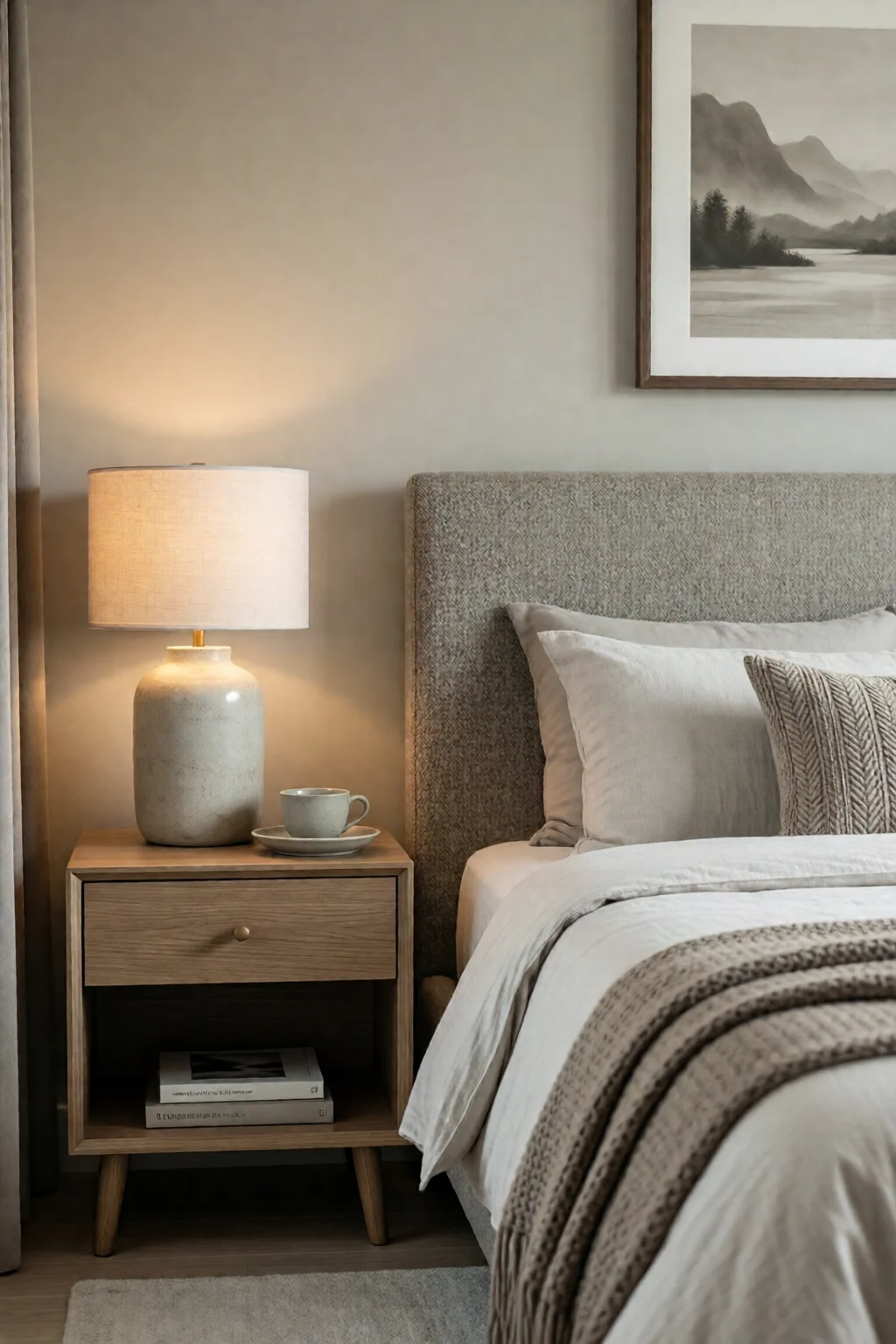
The bed is the room’s anchor. Position it against the longest wall, leaving at least 24 in of clearance on each side for nightstands and easy movement. Use a low‑profile platform like Zinus; its 12‑inch height eliminates the need for a box spring, saving $80–$120.
Layer the bedding: fitted sheet, a lightweight duvet (Brooklinen, $179), a quilted throw, and two throw pillows (West Elm, $45 each). This layering adds texture while staying simple.
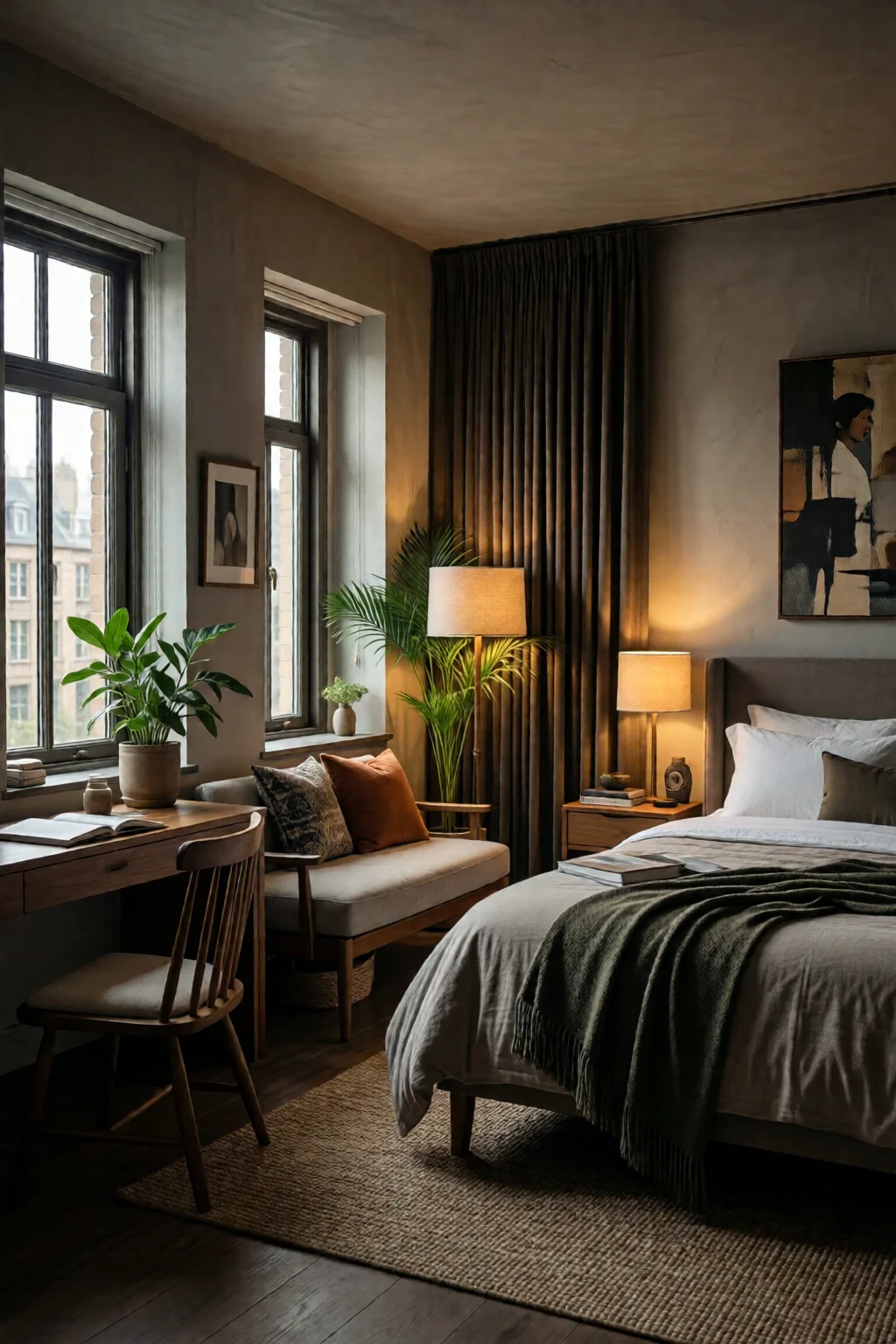
Step 4 – Add Functional Nightstand(s) & Lighting
Place an IKEA MALM nightstand on the side that aligns with the door for easy access. Keep the top clear—just a lamp, a small notebook, and a charging station.
For lighting, blend ambient and task: a Philips Hue table lamp provides adjustable brightness, and a wall‑mounted sconces (e.g., West Elm “Industrial Sconce,” $129) adds a soft glow without taking floor space.
Step 5 – Create a Cozy Seating Nook
If space permits, add a small accent chair (e.g., Article “Sven” in charcoal, $199) and a floor‑level side table. Position the nook near a window to maximize natural light, and place a 5 × 8 ft rug underneath to define the area.
Step 6 – Incorporate Storage Solutions
Guests need a place for clothes and personal items. Use the bedroom closet organization ideas you’ve already gathered: a simple hanging rod, a set of H&M baskets, and a slim drawer unit (IKEA KALLAX, 30 × 30 × 39 cm, $79). Keep the visual clutter low by storing baskets under the bed.
Step 7 – Add Personal Touches & Décor
Finish the space with curated décor:
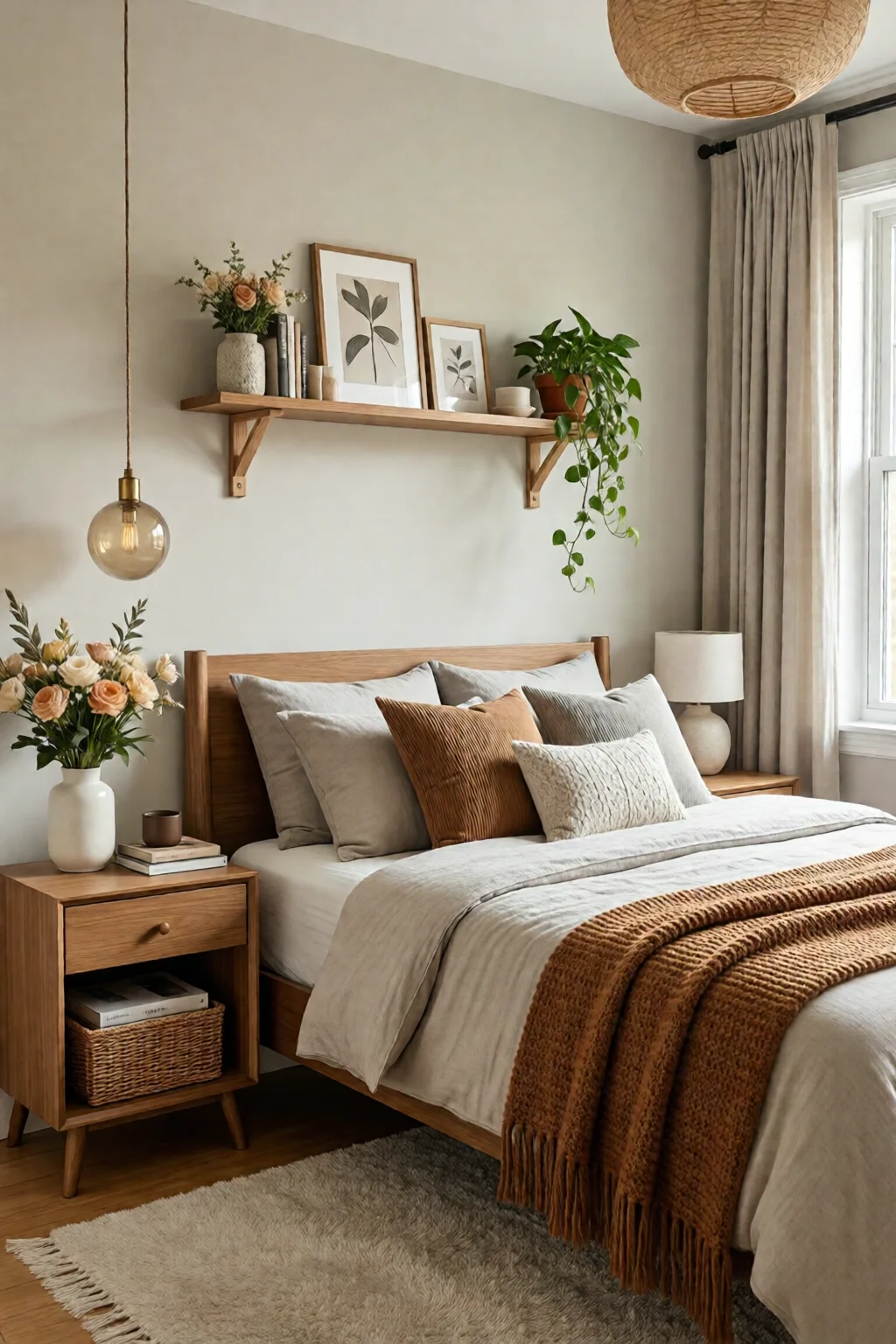
- Three framed prints (Target frames, $12 each) arranged in a horizontal line above the headboard.
- A snake plant in a ceramic pot for air‑purifying benefits ($30).
- Two West Elm throw pillows (different textures but matching colors) for a layered look.
- A decorative tray on the nightstand for keys and a water carafe.
These items cost under $200 total but provide a sense of hospitality and personality.
Step 8 – Final Walk‑Through and Guest‑Ready Checklist
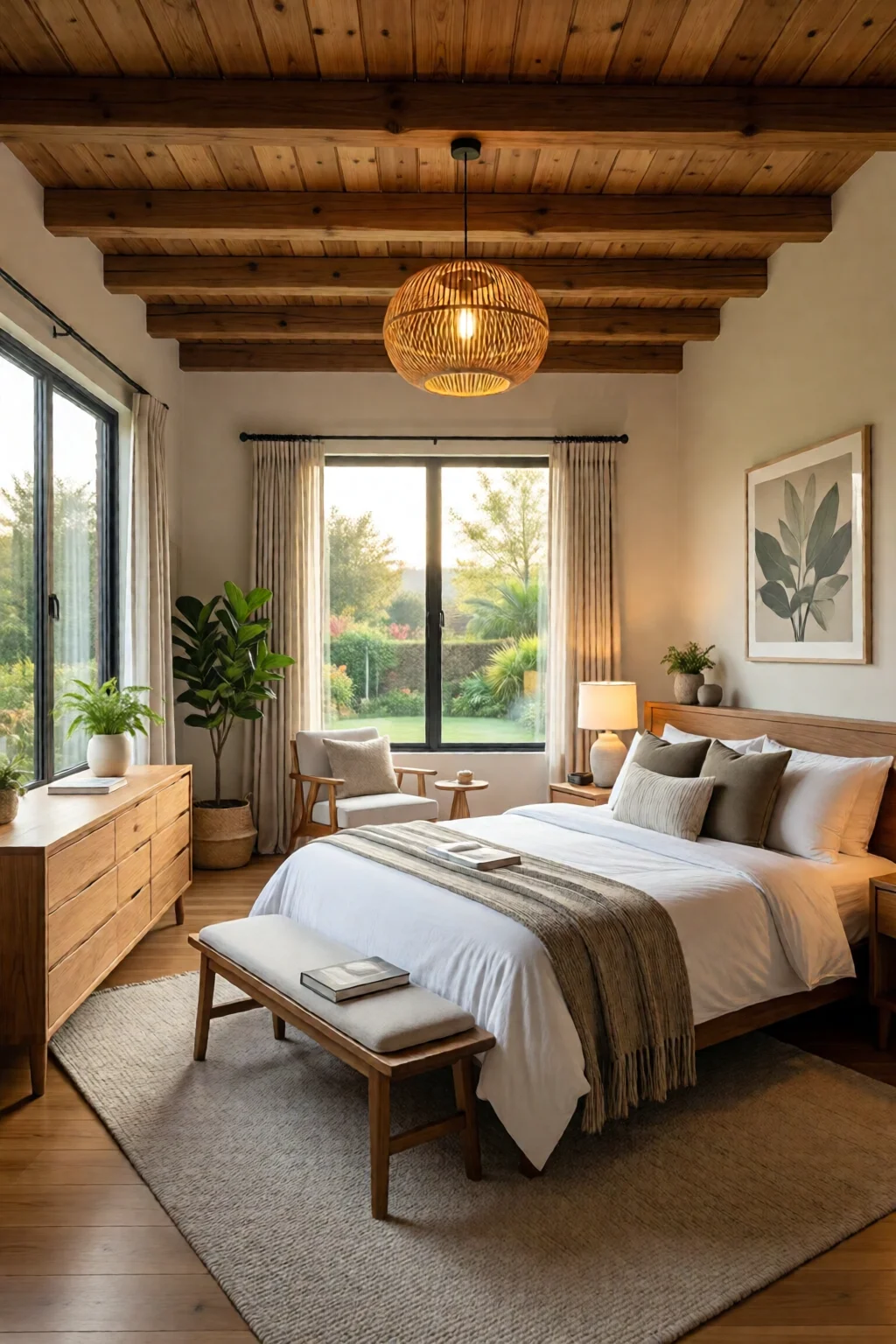
Before you welcome anyone, run through this quick checklist:
- All lights functional and set to a warm 2700 K.
- Bedding freshly laundered and neatly arranged.
- Clear floor space—no stray cords or boxes.
- Temperature set between 68–72 °F (ideal for most guests).
- Provide a small welcome note with Wi‑Fi password and local recommendations.
Common Mistakes to Avoid
Over‑decorating. Throwing in too many patterns can make the room feel chaotic. Stick to two patterns max and keep the color scheme consistent.
Choosing the wrong bed size. A queen works for most guests, but if your room is under 10 × 10 ft, a full‑size bed (54 × 75 in) saves space and still feels generous.
Ignoring lighting layers. Relying solely on overhead lighting creates harsh shadows. Add at least one lamp and one soft wall light.
Forgetting storage. Even simple baskets can become clutter magnets if not placed thoughtfully. Use under‑bed space and vertical shelves.
Troubleshooting & Tips for Best Results
Paint peels early? This usually means the surface wasn’t cleaned. Lightly sand the spot, wipe with a damp cloth, and touch up with the same brand.
Rug feels slippery? Place a non‑slip rug pad (e.g., Gorilla Grip, $19) underneath to prevent movement.
Guest complains about temperature? Install a programmable thermostat (Nest Learning Thermostat, $249) so you can set a comfortable range remotely.
Need more style on a budget? Swap out expensive art for DIY canvas prints. Use free printable designs from sites like Canva and frame them in inexpensive IKEA frames.
Summary
By following these eight steps, you can transform any spare room into a guest bedroom that feels both welcoming and simple—without breaking the bank or spending months on a makeover. Remember: a neutral palette, layered lighting, functional storage, and a few personal touches are the cornerstone of a space that says, “Make yourself at home.”
How much should I spend on a guest bedroom?
A well‑designed guest bedroom can be completed for $600–$900 if you prioritize a quality mattress and use budget‑friendly accessories for the rest.
What size bed is best for a small guest bedroom?
For rooms under 10 × 10 ft, a full‑size bed (54 × 75 in) balances comfort and space efficiency, while a queen works well in larger rooms.
How can I make the room feel larger without renovation?
Use light, neutral paint, keep furniture low‑profile, and add mirrors (e.g., a 24 × 36 in frame mirror for $79) to reflect light and create visual depth.
Where can I find inspiration for romantic touches?
Check out our romantic bedroom decor ideas couple guide for soft lighting, plush textiles, and subtle color accents.