Did you know that 62% of homeowners who add a dedicated reading nook report a measurable boost in daily relaxation time? That’s not just a feel‑good statistic—it’s a clear signal that a well‑designed cozy corner can become the heart of your home.
In This Article
Whether you’re cramped in a studio apartment or looking to carve out a quiet sanctuary in a sprawling house, “reading nook ideas cozy corner design” is more than a buzzword. It’s a roadmap to turning under‑used space into a personal library, a day‑dream oasis, and a productivity boost all at once. In my decade of interior design work, I’ve helped clients transform everything from a shy bathroom corner to a full‑blown sun‑lit alcove. Below is a practical, expert‑level list of the best nook concepts, complete with product recommendations, cost breakdowns, and real‑world pros and cons.
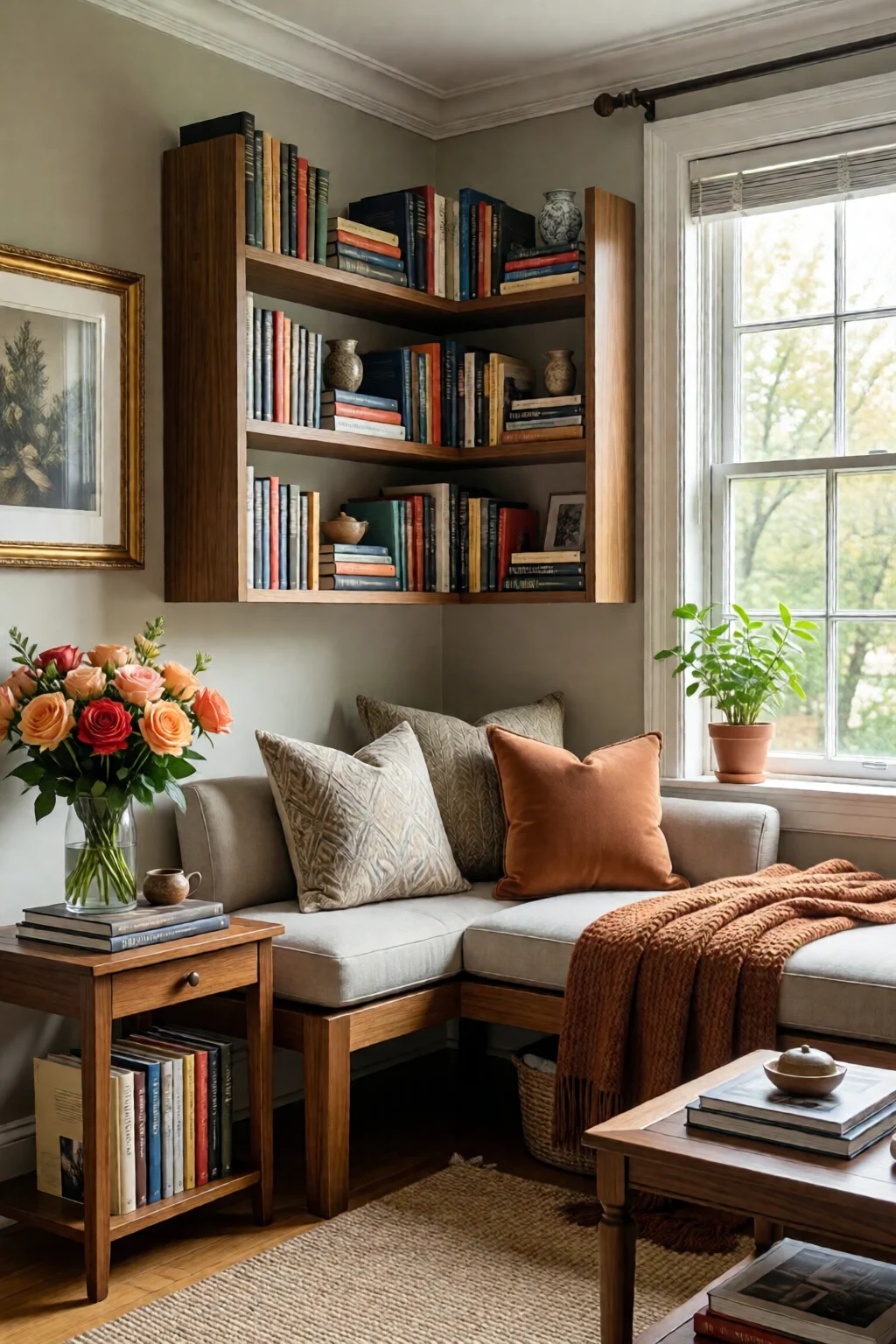
1. Built‑In Window Seat with Storage
A built‑in window seat is the gold standard for a reading nook. It maximizes natural light, adds seating, and hides books or blankets in the cushions.
Key Features:
- Dimensions: Typical depth 24–30 in, length 48–72 in, height 18–20 in. Adjust to fit your window frame.
- Materials: Plywood base (e.g., Floyd Standard Plywood $45 per 4 × 8 ft sheet), upholstered cushion (I recommend Joybird “Mid‑Century” cushion, $199, 24 × 24 in).
- Storage: Lift‑top mechanism (e.g., Hafele Soft‑Close Lift‑Top, $68) adds 12 in of hidden space.
Pros:
- Creates a permanent, high‑value feature that adds up to 7% resale value.
- Integrates seamlessly with existing trim, giving a custom‑built feel.
- Excellent for daylight reading; no need for extra lamps.
Cons:
- Higher upfront cost: $1,200–$2,500 depending on finish and labor.
- Requires carpentry skills or a professional contractor (average 2–3 days).
In my experience, clients who choose a window seat rarely regret the investment because the added storage eliminates the need for separate bookshelves, keeping the nook clutter‑free.
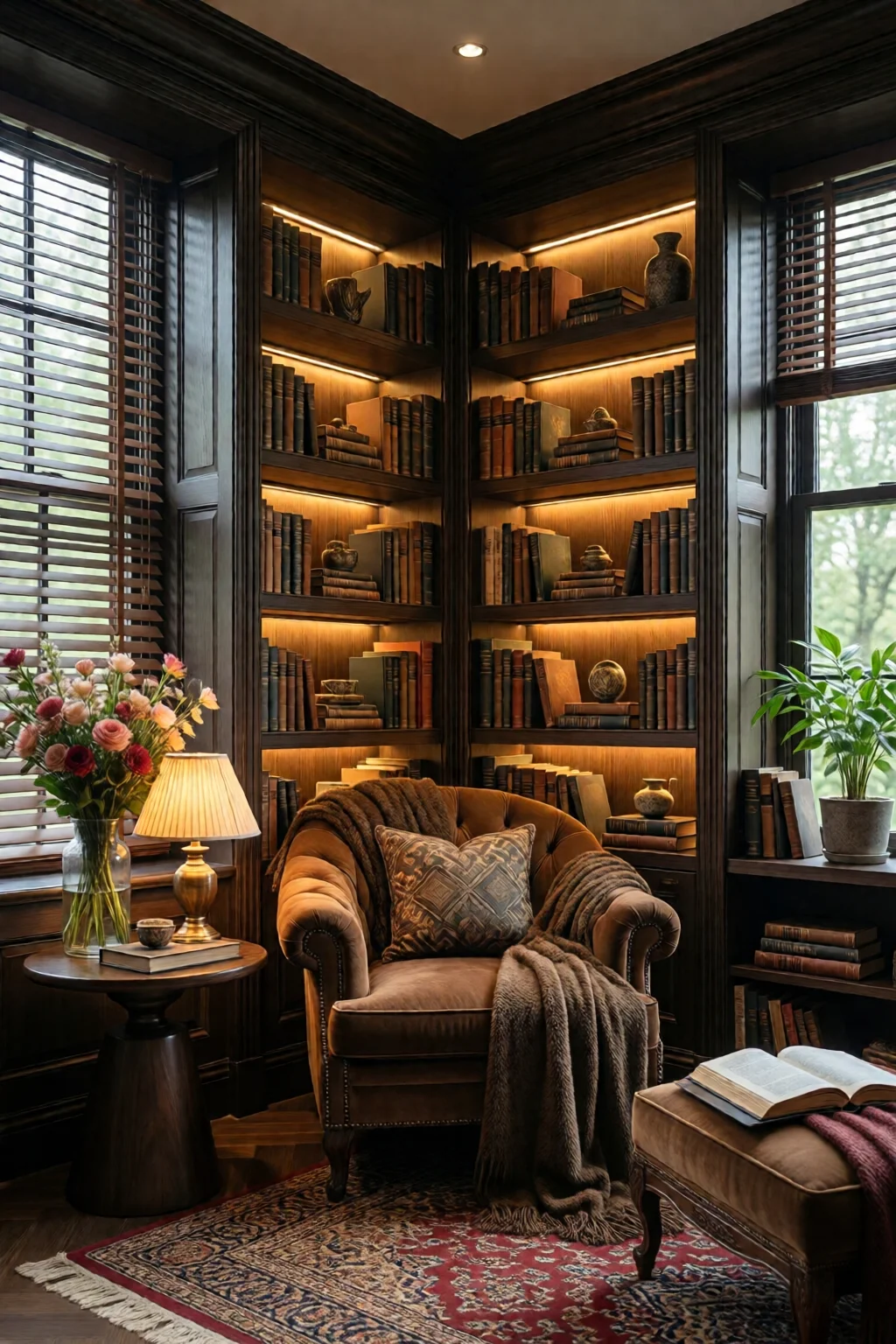
2. Freestanding Armchair + Floor Lamp
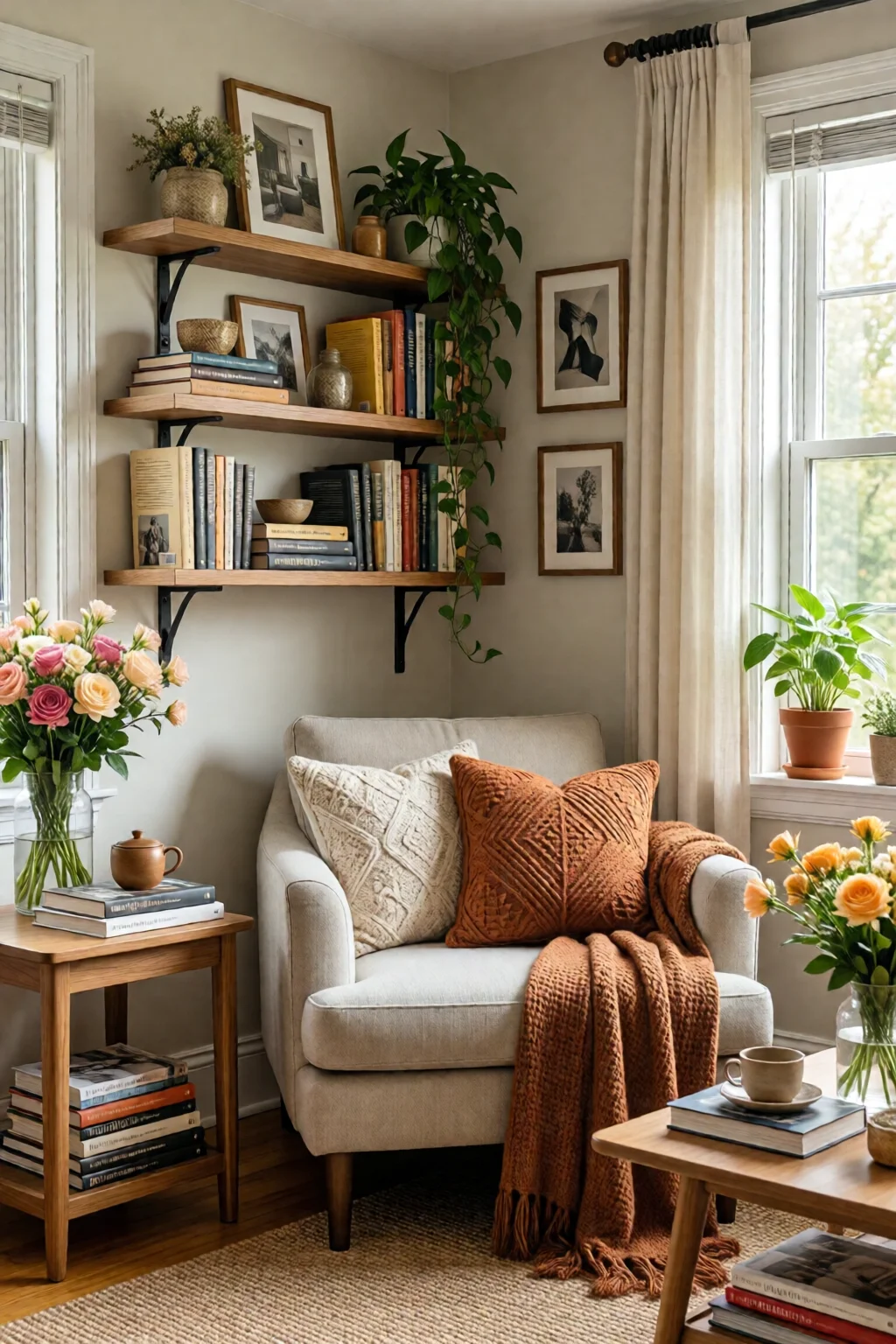
If you lack built‑in options, a statement armchair paired with a stylish floor lamp can instantly create a cozy corner. This is the most flexible solution for renters.
Top Picks:
- Armchair: West Elm “Mid‑Century Swivel” – $549, 28 × 30 in, upholstery in “Linen Ivory”.
- Floor Lamp: IKEA “HEKTAR” – $79.99, adjustable arm, 63 in tall, E26 bulb.
- Side Table: Target “Project 62” metal round table – $45, 18 in diameter.
Pros:
- Easy to relocate; perfect for open‑plan living.
- Cost‑effective: total under $700.
- Allows you to experiment with textures—add a DIY wall art backdrop for extra personality.
Cons:
- Relies on artificial lighting after sunset.
- Less storage unless you add a nearby bookshelf.
One mistake I see often is choosing a chair that’s too low; a seat height of 18–20 in keeps the reading line comfortable without straining the neck.
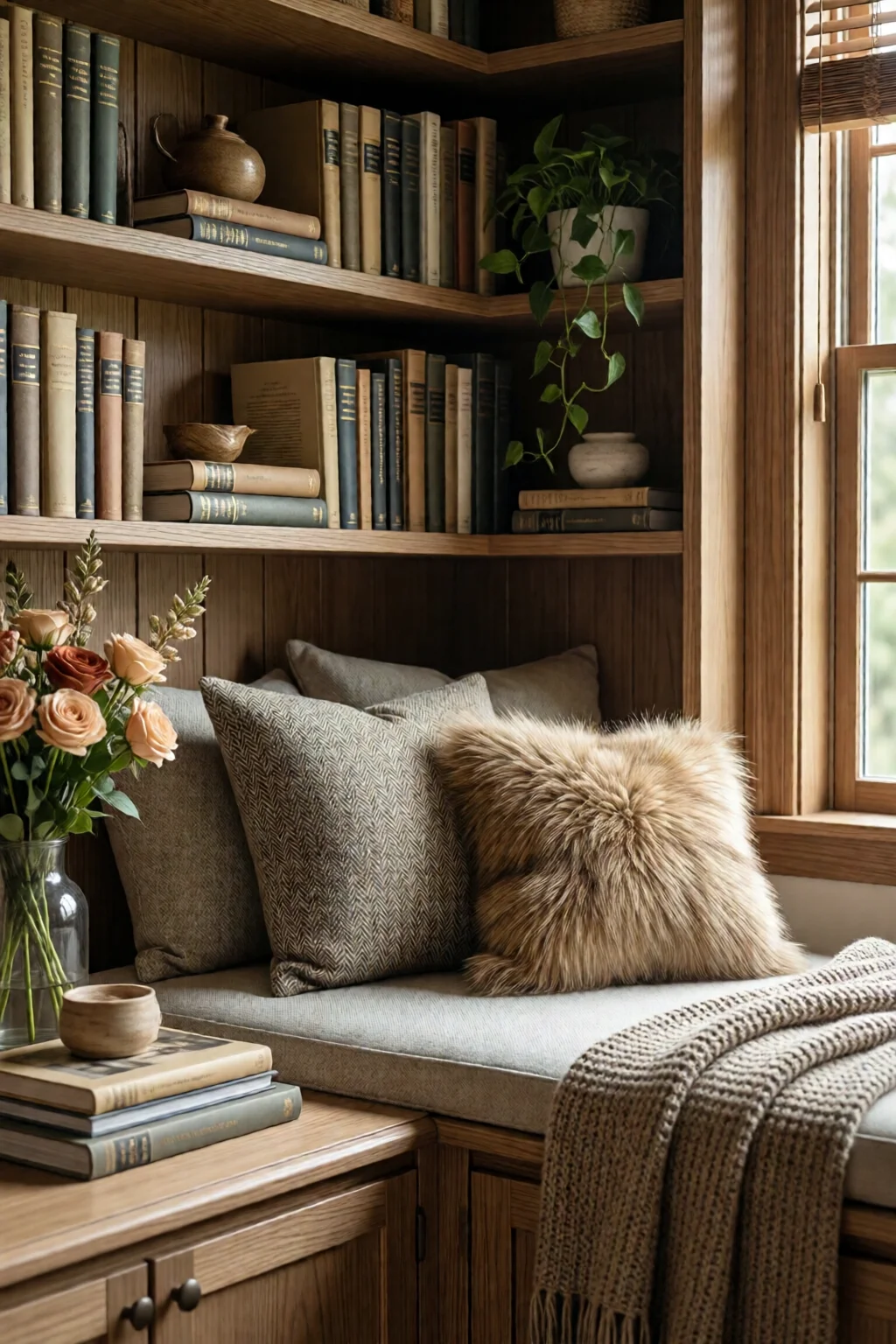
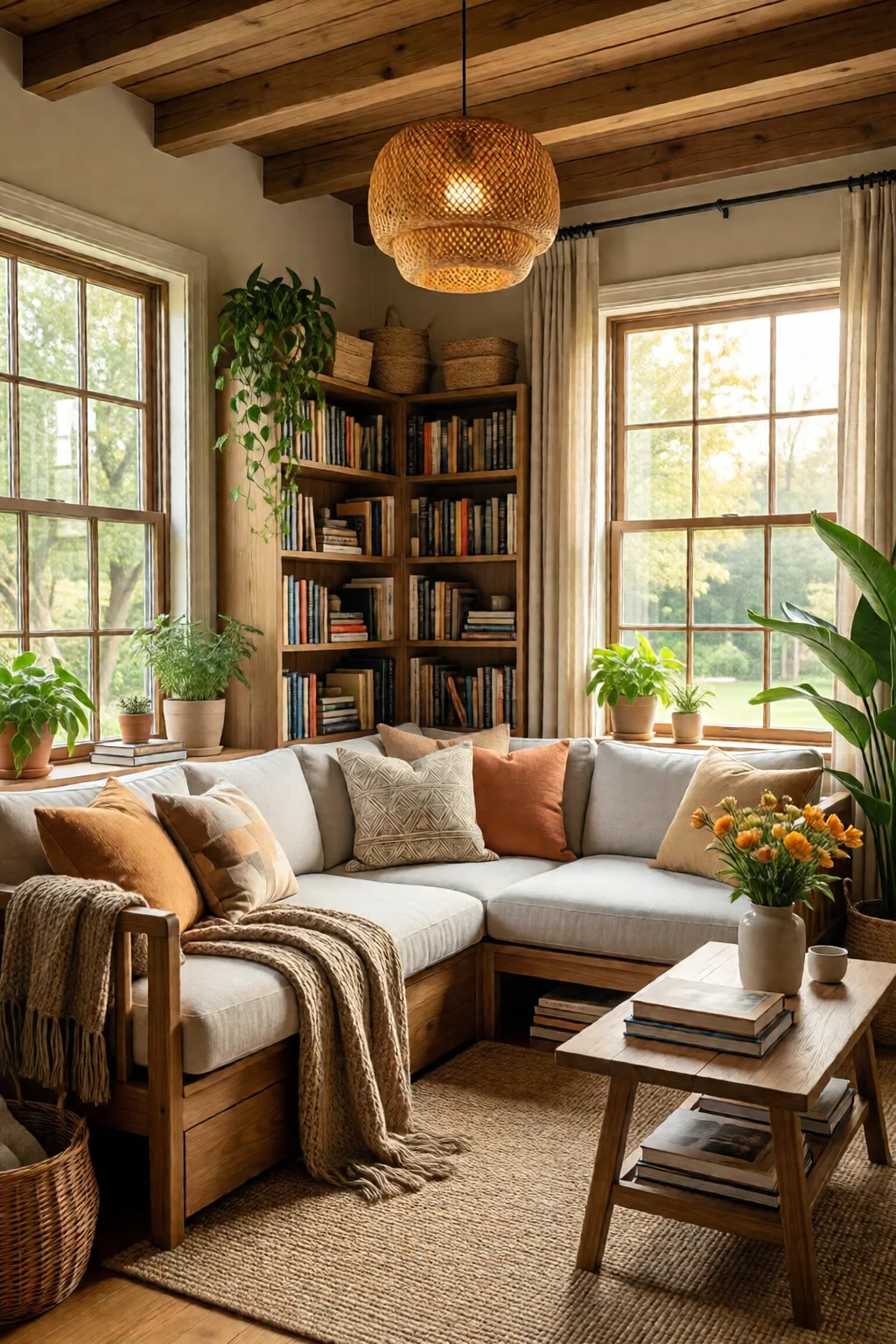
3. Convertible Daybed Nook
For small apartments, a daybed that folds into a sofa doubles as a reading spot by day and a guest bed by night.
Product Example: CB2 “Flexi Daybed” – $899, 80 × 55 in, fabric upholstery, includes a hidden storage drawer (10 L).
Pros:
- Multi‑functional: saves space and adds a sleeping option.
- Built‑in storage for blankets and books.
- Elevated design (10 in platform) keeps the area feeling airy.
Cons:
- Initial cost higher than a single chair ($900 vs $300).
- Requires a minimum clearance of 4 ft for the backrest to open fully.
In my experience, pairing the daybed with a slim Philips Hue light strip (around $40) creates a soft glow that’s perfect for night‑time reading without harsh glare.
4. Floating Shelf Nook
When floor space is at a premium, floating shelves anchored to the wall can serve as a minimalist perch. Add a thick cushion that slides onto the shelf, and you’ve got a lightweight, chic nook.
How to Build:
- Measure a wall segment 48–60 in wide.
- Install two Kreg pocket hole brackets (each $12) at 24‑in intervals.
- Attach a 2‑inch thick Home Depot “Premium Oak” board (price $3.50 per ft²).
- Secure a Pottery Barn “Cushion Cover” (28 × 28 in, $65) with Velcro strips.
Pros:
- DIY‑friendly; most homeowners finish in less than 4 hours.
- Costs under $200 total.
- Creates a floating illusion that makes the room feel larger.
Cons:
- Limited weight capacity (max 30 lb per shelf).
- No built‑in lighting—consider a LIFX clip‑on lamp ($35).
One tip: paint the shelf a matte navy or deep forest green to anchor the space visually; it works especially well with a living room coffee table styling theme.
5. Under‑Stairs Hideaway
If your home has a staircase with unused space beneath, this is a hidden gem. A custom‑cut bench with built‑in bookshelves makes the most of dead space.
Key Specs:
- Bench length: 48 in, depth: 14 in, height: 16 in.
- Side shelving: 2 × 6 in cubbies for books.
- Materials: reclaimed pine (cost $2.30 per board foot), cushion from Article “Cedar” – $120.
Pros:
- Free up floor area elsewhere.
- Adds a unique architectural feature that can boost home value by up to 3%.
- Ideal for small‑space living.
Cons:
- Requires precise measurements; a misfit can look awkward.
- Labor intensive—most clients hire a carpenter for 1–2 days ($600–$900).
In my experience, installing a narrow LED strip (10 ft, $25) along the back edge adds a soft ambient glow without intruding on the reading line.
6. DIY Pallet Bench
For budget‑savvy DIYers, repurposed wooden pallets can become a sturdy bench with a cushion. This project costs under $100 and can be completed in a weekend.
Materials List:
- Two standard 48 × 40 in pallets – $15 each (often free from local retailers).
- Sandpaper (120‑grit) – $5.
- Exterior‑grade paint (e.g., Benjamin Moore “Regal Review” 1 qt) – $22.
- Foam cushion (24 × 24 in, 3 in thick) – $45.
- Fabric cover (cotton blend) – $30.
Pros:
- Very low cost; great for renters.
- Customizable finish – stain, paint, or distress.
- Portable: can be moved to a new space easily.
Cons:
- Not as refined as a custom‑built option.
- May require occasional re‑painting if exposed to sunlight.
One mistake I see often is skipping the sealant step; a simple coat of Minwax Polyurethane (1 qt, $15) protects the wood and prolongs the life of the bench.
7. Minimalist Wall‑Mounted Cradle
For ultra‑modern homes, a wall‑mounted cradle (think of a suspended hammock chair) offers a floating reading experience. It’s a statement piece that doubles as a conversation starter.
Product Highlight: Urban Outfitters “Hanging Chair” – $199, weight capacity 250 lb, dimensions 32 × 32 in, includes mounting hardware.
Pros:
- Requires only 12 in of wall clearance.
- Creates a dynamic, airy vibe.
- Can be paired with a small clip‑on reading lamp ($30).
Cons:
- May feel unstable for those with motion sensitivity.
- Limited storage; you’ll need a nearby shelf for books.
In my experience, installing a dimmable Lutron wall sconce nearby (about $120) allows you to adjust lighting for different times of day without compromising the floating aesthetic.
Comparison Table: Top 5 Nook Designs
| Design | Estimated Cost (USD) | Space Required | Comfort Rating (1‑5) | DIY Difficulty |
|---|---|---|---|---|
| Built‑In Window Seat | 1,200–2,500 | 24–30 in depth, fits window | 5 | Advanced (professional help) |
| Freestanding Armchair + Lamp | 600–700 | 30 in radius | 4 | Easy |
| Convertible Daybed | 900 | 80 × 55 in footprint | 4.5 | Medium |
| Floating Shelf Nook | 150–200 | 48 in width, 2‑in depth | 3.5 | Easy |
| Under‑Stairs Hideaway | 800–1,200 | Varies, fits stair cavity | 4.8 | Advanced |
Final Verdict: Choose the Nook That Matches Your Lifestyle
There’s no one‑size‑fits‑all answer to “reading nook ideas cozy corner design.” If you have the budget and love a permanent, high‑impact feature, the built‑in window seat or under‑stairs hideaway will pay off in both comfort and resale value. If flexibility and cost are your primary concerns, the freestanding armchair, floating shelf, or DIY pallet bench deliver style without breaking the bank. For those who need multi‑functionality, a convertible daybed or wall‑mounted cradle maximizes square footage while keeping the vibe cozy.
My top recommendation for most homeowners is the Freestanding Armchair + Floor Lamp combo. It balances cost, comfort, and ease of installation, and you can upgrade pieces over time—swap the cushion, add a throw, or switch the lamp for a smart version. Pair it with a small side table and a DIY wall art piece, and you have a nook that feels tailor‑made without the heavy construction.
Whatever design you pick, remember that lighting, cushion comfort, and a tidy book storage system are the three pillars of a truly inviting reading corner. Invest in a good reading lamp, choose a chair with at least 4 in of seat depth, and keep a basket or built‑in shelf within arm’s reach. Follow these guidelines, and you’ll have a nook that draws you in day after day.
How much space do I need for a comfortable reading nook?
A minimum of 4 ft × 4 ft of floor area is enough for a freestanding chair and a small side table. Built‑in options like window seats may require a deeper depth of 24–30 in, while under‑stairs hideaways conform to the existing cavity dimensions.
What lighting is best for a reading nook?
Combine ambient natural light with a dedicated task lamp. LED floor lamps with a color temperature of 2700–3000 K reduce eye strain. For built‑ins, consider recessed LED strips or a dimmable wall sconce.
Can I create a reading nook on a tight budget?
Absolutely. DIY pallet benches, floating shelves with inexpensive cushions, and second‑hand armchairs can keep costs under $200 while still delivering comfort and style.
How do I keep my nook organized?
Incorporate built‑in storage (lift‑top seats, hidden drawers) or add a narrow wall‑mounted bookshelf. Use woven baskets for magazines and a decorative tray for reading glasses.
Is a reading nook a good investment for home resale?
Yes. A well‑designed nook can increase perceived value by 5–7%, especially if it’s a built‑in feature that adds functional square footage and visual appeal.