Last summer I was staring at a bare living‑room wall, a dented coffee table, and a budget that screamed “no‑more‑spending.” I told myself I could either live with the drab space or turn it into a cozy nook with nothing but a paintbrush, a few thrift‑store finds, and a lot of elbow grease. The result? A fresh, stylish room that cost under $150 and felt like a designer’s showcase. If you’re ready to replicate that kind of transformation, this guide to DIY home decor ideas on a budget will walk you through everything you need, step by step.
In This Article
- What You Will Need (Before You Start)
- Step 1: Declutter and Map Your Space
- Step 2: Paint Refresh – The Most Cost‑Effective Makeover
- Step 3: Upcycled Furniture – Turn Trash into Treasure
- Step 4: Creative Wall Treatments – From Gallery Walls to Accent Panels
- Step 5: Textiles and Soft Furnishings – Add Warmth Without Splurging
- Step 6: DIY Accessories and Artwork – Personal Touches that Shine
- Common Mistakes to Avoid
- Tips for Best Results – Troubleshooting and Pro Tips
- Frequently Asked Questions
What You Will Need (Before You Start)
- Measuring tape (12‑ft steel, $4.99 at Home Depot)
- Painter’s tape (3‑in, $2.79, ScotchBlue)
- Basic tools: hammer, screwdriver set, drill (Black+Decker 20‑V, $49.99)
- Paint & supplies: 1‑gal interior latex paint – Sherwin‑Williams “Alabaster” $36, roller kit $9.99
- Sandpaper (120‑grit, 10‑sheet pack $3.49)
- Upcycling supplies: sandpaper, wood stain (Minwax “Early American” 1‑qt $12.99), clear polyurethane $8.99
- Fabric & soft furnishings: 2‑yd drop‑cloth (IKEA “VITMOSSA” 150 cm, $7.99), decorative pillows (Target, $12 each)
- Adhesives: 3‑M Command strips (medium, $7.49), hot‑glue gun & sticks $5.99
- Creative accents: thrift‑store frames, mason jars, faux‑leather rope (Burlap, $4.50 per roll)
- Safety gear: gloves, goggles, mask (dust mask $2.99)
Set aside about 2‑3 hours for planning and another 6‑8 hours for execution. Having a clear list prevents surprise trips to the store, keeping your total under $200.
Step 1: Declutter and Map Your Space
Before any paint touches a wall, you need a clean canvas. Remove items that don’t belong, and take a photo of the room as it is now. Then, sketch a simple floor plan on graph paper (1 sq ft = 1 square). Mark doors, windows, and any architectural features. This map will help you allocate budget dollars where they’ll have the biggest visual impact.
One mistake I see often is buying décor before knowing the exact wall dimensions. A quick measurement of each wall (width × height) lets you calculate the square footage you’ll need to cover with paint or wallpaper. For example, a 10 ft × 8 ft wall equals 80 sq ft; a 1‑gal bucket of interior paint typically covers 350‑400 sq ft, so you’ll have plenty left for a second wall or a touch‑up.
Tip: Use seasonal home decor ideas all year as a reference for color palettes that shift with the seasons but stay within your budget.
Step 2: Paint Refresh – The Most Cost‑Effective Makeover
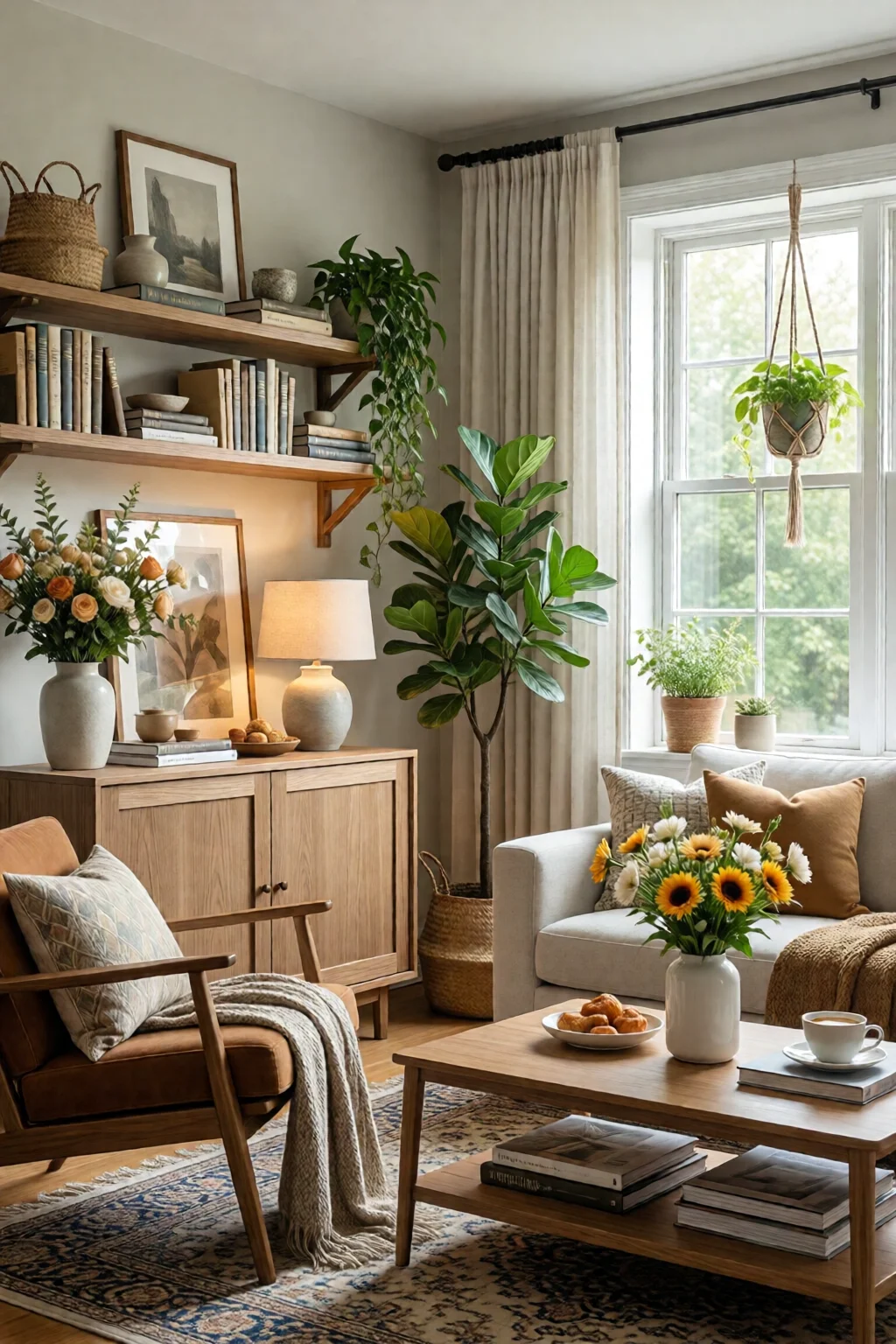
Painting is the single most effective way to transform a room without breaking the bank. Choose a neutral base (like Sherwin‑Williams “Alabaster”) for versatility; it pairs well with bold accessories later. Here’s how to do it right:
2.1 Prepare the Surface
- Clean walls with a mild detergent solution; rinse and let dry.
- Fill holes with DAP 3‑in‑One Spackling ($5.99 per 6‑oz tube).
- Sand repaired areas smooth (120‑grit). Dust off with a tack cloth.
2.2 Tape and Prime
Apply painter’s tape around trim, windows, and ceiling lines. If you’re covering a dark color, prime with KILZ 2‑in‑1 ($14.99 per quart). This step reduces the number of paint coats needed—saving both time and money.
2.3 Paint Application
Use a 9‑in roller with a ¼‑in nap for smooth walls. Load the roller evenly, then apply the paint in a “W” pattern, filling in without lifting the roller. One 1‑gal bucket will cover up to three standard walls. Allow 2 hours to dry, then add a second coat if needed.
Result: A fresh backdrop for all subsequent DIY projects, and you’ve spent less than $50 on paint and supplies.
Step 3: Upcycled Furniture – Turn Trash into Treasure
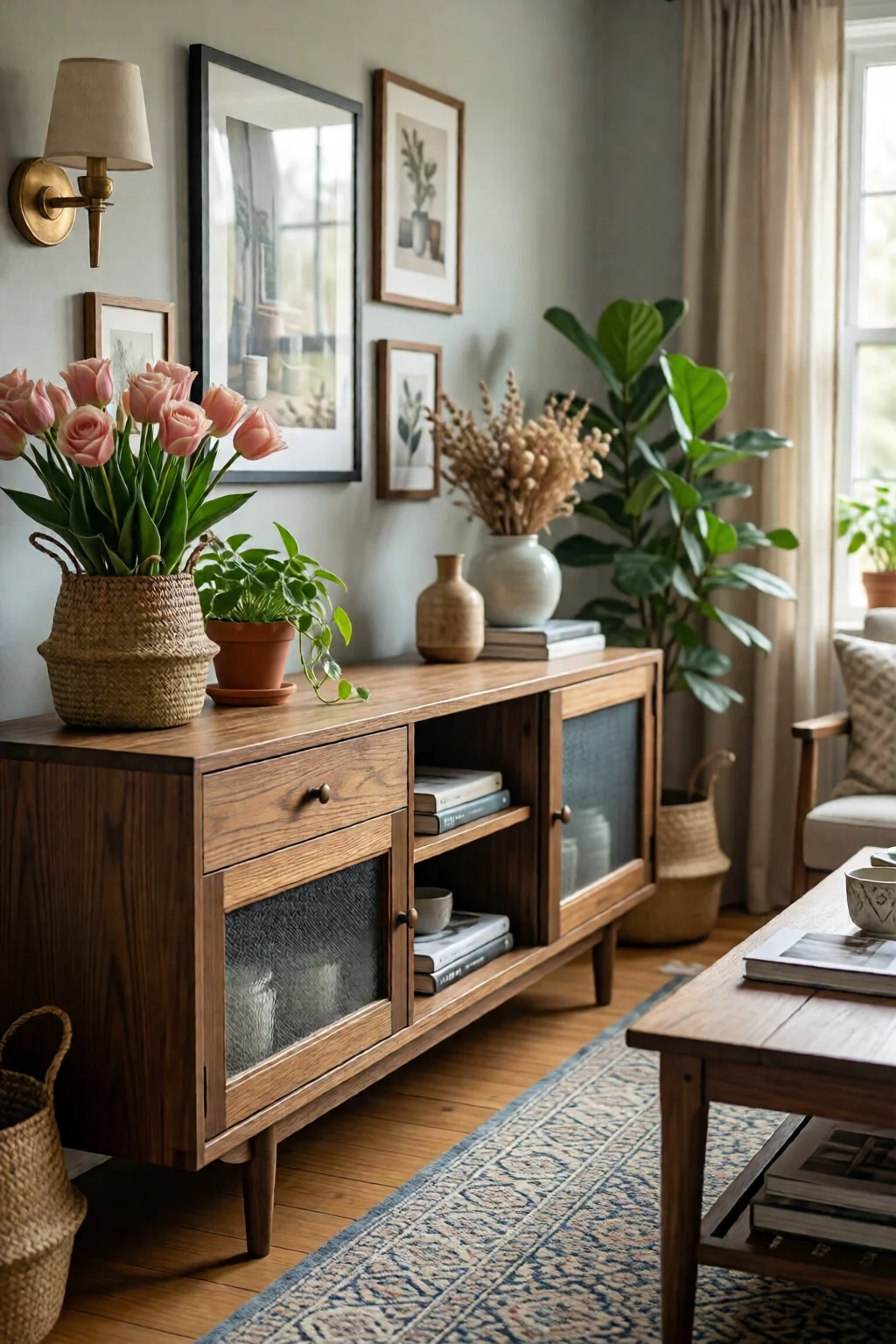
Second‑hand stores, garage sales, and even your own attic are gold mines for upcycling. I once bought a battered IKEA “LACK” side table for $5, sanded it, and painted it matte black ($3.99 paint). It now serves as a chic nightstand.
Follow these steps to give new life to old pieces:
3.1 Choose the Right Piece
Look for solid wood frames; particleboard can be fragile. A sturdy coffee table, wooden chair, or pallet can become a focal point.
3.2 Clean and Strip
Remove old finish with a citrus stripper (Goo Gone $6.99) or sand down to raw wood. For metal frames, use a degreaser like Krud Kutter ($4.49).
3.3 Stain or Paint
Apply Minwax “Early American” stain for a warm, rustic look—two coats at $12.99 per quart, then seal with polyurethane ($8.99). For a modern vibe, a single coat of matte latex paint ($4.99 per quart) works wonders.
3.4 Add Functional Touches
Install mudroom ideas functional and organized hooks on the side of a dresser for extra hanging space, or attach caster wheels ($2.99 each) to a vintage suitcase for a portable side table.
Budget tip: A solid wood pallet costs $5–$10; with stain and hardware, you have a unique coffee table for under $30.
Step 4: Creative Wall Treatments – From Gallery Walls to Accent Panels
Walls are the canvas for personal expression. You don’t need expensive wallpaper; a few strategic pieces can create a high‑impact look.
4.1 Gallery Wall on a Budget
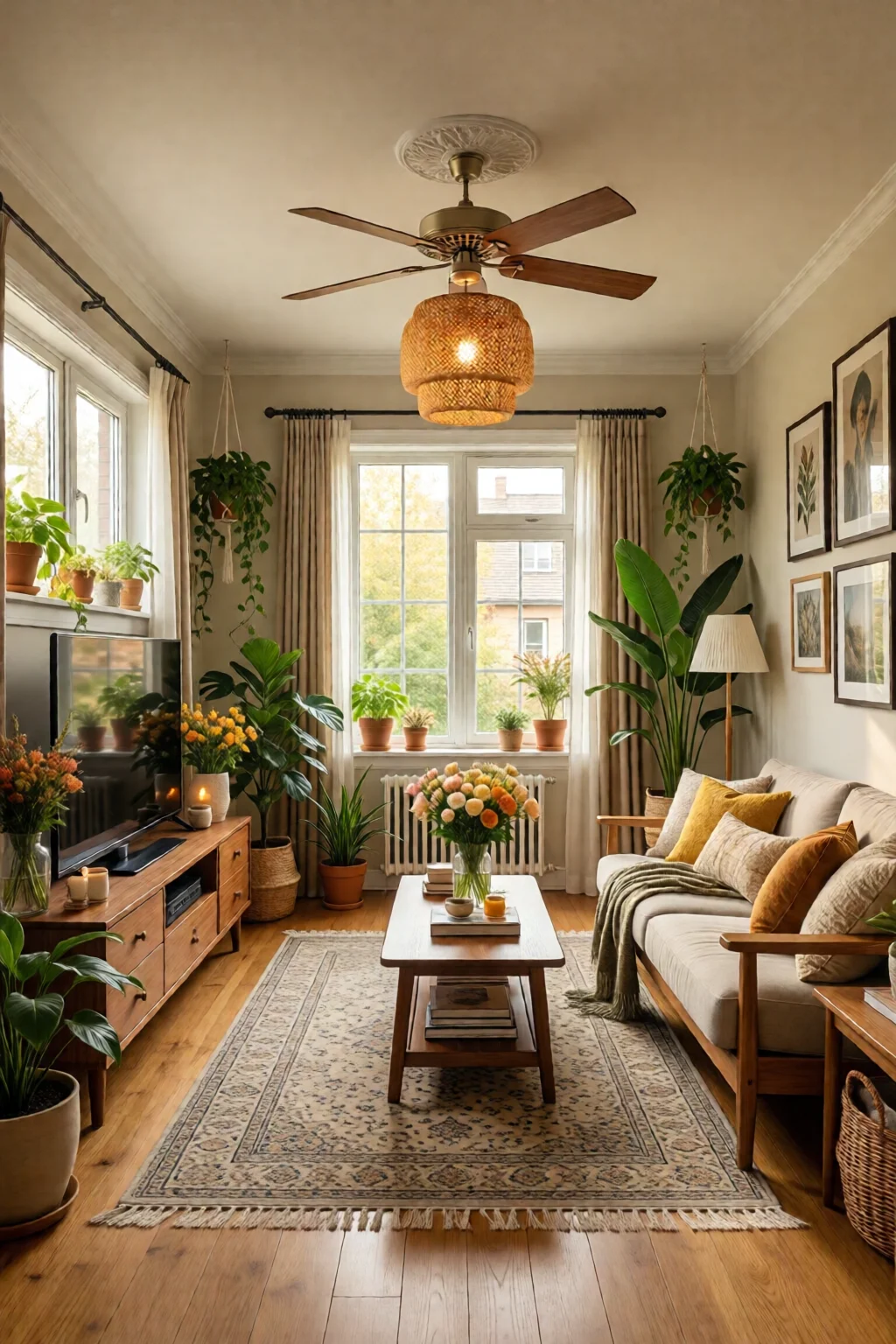
Collect inexpensive frames from thrift stores ($2–$4 each). Use a 24‑in × 36‑in layout for a balanced arrangement. Mount with 3‑M Command strips to avoid nail holes. Fill frames with black‑and‑white prints (free printable art from Unsplash), family photos, or even fabric swatches.
4.2 DIY Accent Panels
Purchase 4‑ft × 8‑ft plywood sheets ($22 each) and paint them a bold color (e.g., “Navy Peony” $4.99 per quart). Cut into 2‑ft × 4‑ft panels, sand edges, and attach with picture‑hanging hardware. Paint a geometric pattern using painter’s tape for a modern look.
4.3 Temporary Wallpaper Alternatives
Peel‑and‑stick wall decals from RoomMates start at $9.99 for a 12‑in × 12‑in design. They’re removable and perfect for renters. For a larger effect, line a wall with reclaimed barn wood (approximately $1.50 per sq ft) and seal with a clear coat.
Result: A personalized backdrop that costs between $30 and $80, depending on the size and materials.
Step 5: Textiles and Soft Furnishings – Add Warmth Without Splurging
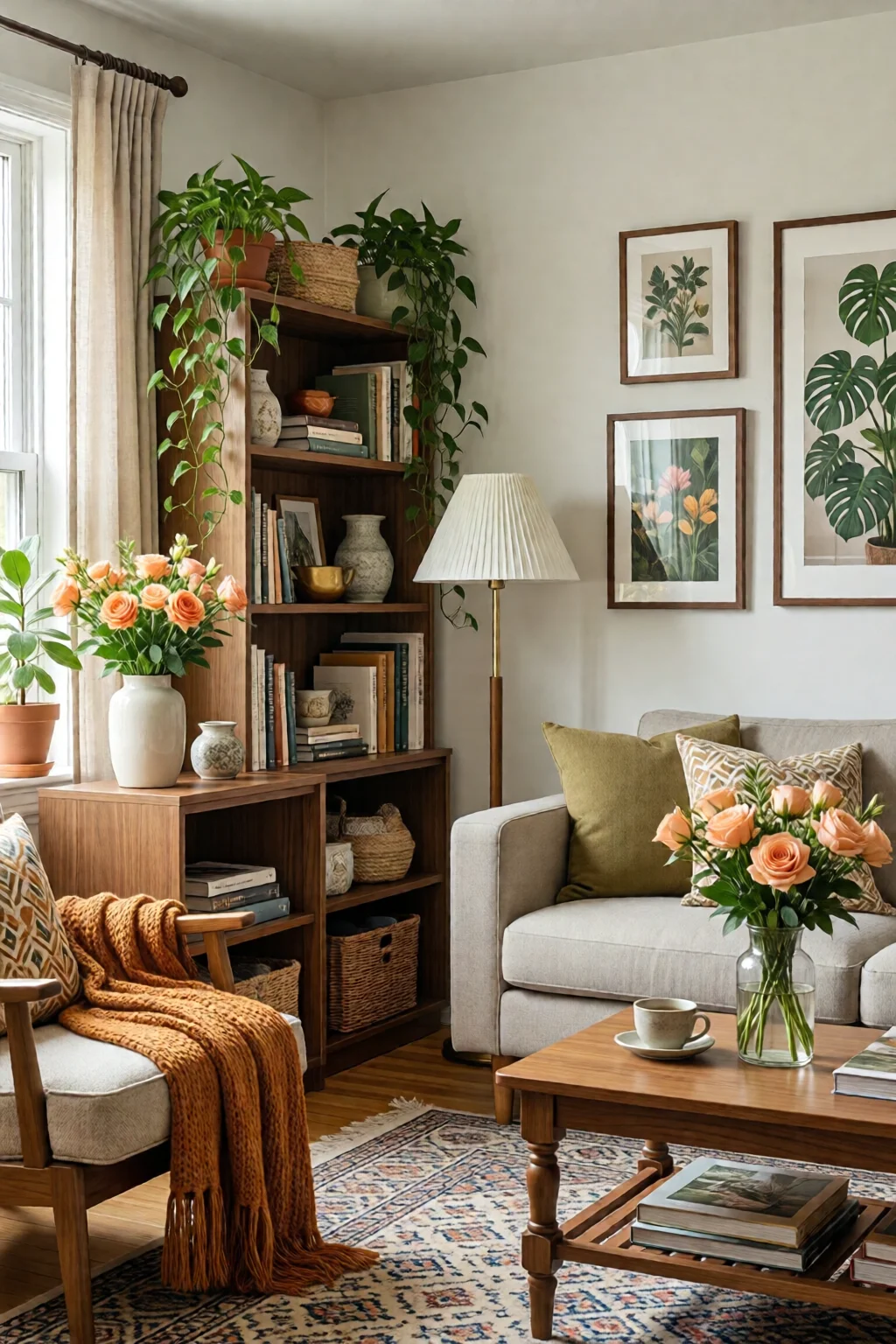
Soft furnishings are the easiest way to inject color and comfort. A well‑chosen cushion or rug can tie together all the DIY elements you’ve already installed.
5.1 Budget-Friendly Rugs
Look for flat‑weave rugs on clearance; an 5 ft × 7 ft rug from HomeGoods can be as low as $45. If you need a larger area, layer two smaller rugs for a boho feel.
5.2 DIY Pillow Covers
Buy plain canvas pillow inserts ($5 each at Walmart) and sew your own covers using affordable fabric from Joann ($3 per yard). Add stenciled paint or appliqués for a custom look. Each cover costs under $4 in materials.
5.3 Window Treatments
Replace heavy drapes with bamboo blinds (IKEA “LILL”, $19.99) or sew simple Roman shades from leftover fabric. Use a tension rod ($6.99) for easy installation.
These textile upgrades cost roughly $100 total, but they dramatically increase the room’s coziness.
Step 6: DIY Accessories and Artwork – Personal Touches that Shine
Finishing touches make a space feel lived‑in and curated. Use everyday items to create decorative pieces that reflect your personality.
6.1 Mason Jar Sconces
Fill mason jars with fairy lights ($7.99 for a 20‑ft string). Attach to reclaimed wood planks (Home Depot $2.50 per 12‑in piece) and mount on the wall with brackets. Each sconce costs under $6.
6.2 Fabric Wall Hangings
Cut a large square of linen (3 yd, $9) and fringe the edges. Hang with a decorative dowel (Target $4.99). This adds texture without the cost of a tapestry.
6.3 Repurposed Ladder Shelf
Find a wooden ladder on Craigslist for $15, sand, paint, and lean it against a wall for a rustic display. Add small baskets for storage. This single piece can hold books, plants, and décor, saving you the cost of multiple shelves.
All these accessories together stay under $50, and they give the room a cohesive, thoughtfully‑designed vibe.
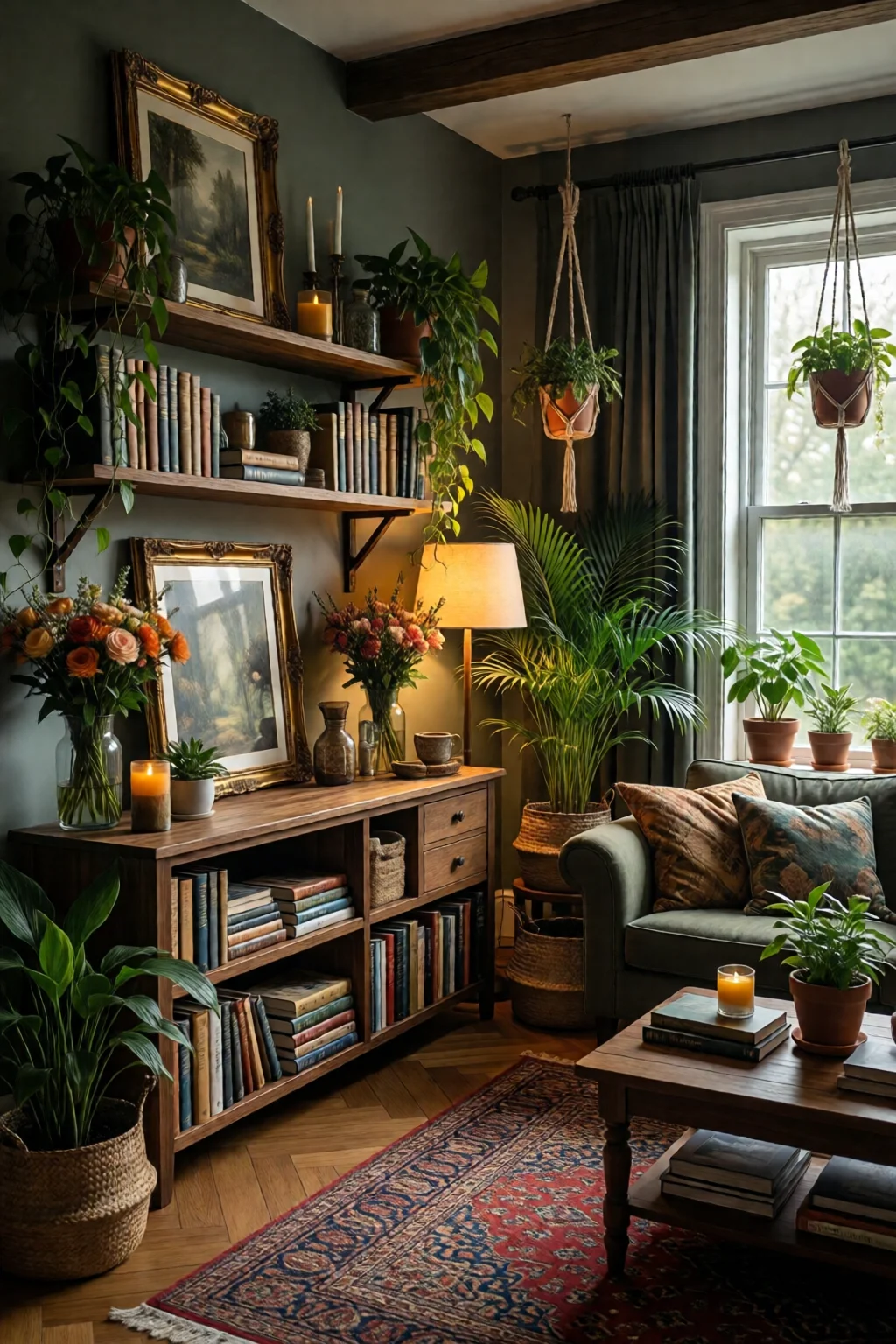
Common Mistakes to Avoid
- Skipping Surface Prep: Paint will peel if walls aren’t cleaned and primed. Spend the extra 15 minutes now, and you’ll avoid costly re‑painting later.
- Over‑Purchasing Materials: Buying a full‑size paint can when you only need a quart wastes money. Use an online paint calculator to estimate exact coverage.
- Ignoring Scale: A tiny accent rug in a large room looks out of place. Measure your floor area and choose a rug that covers at least 60 % of the space.
- Choosing Trends Over Timeless: Trendy colors fade fast. Stick to a neutral base and add trend‑forward accessories that are cheap to swap out.
- Neglecting Safety: Forgetting goggles or a mask when sanding can lead to health issues. Keep safety gear on hand; it’s a small $10 investment for peace of mind.
Tips for Best Results – Troubleshooting and Pro Tips
Paint Issues: If the first coat looks streaky, it’s usually due to a roller that’s too dry. Lightly dampen the roller with water before the second pass. For stubborn drips, sand lightly once dry and re‑coat.
Staining Wood: Uneven color often means the wood wasn’t sanded uniformly. Use a sanding block for consistent pressure, and wipe away dust before each stain application.
Fabric Fade: To keep DIY pillow covers vibrant, wash them in cold water and line‑dry. Add a small amount of fabric softener to protect the fibers.
Adhesion Problems: If Command strips lose grip in humid rooms, opt for small nails or picture hooks—especially for heavier frames.
Time Management: Break the project into two‑day segments. Day 1: prep and paint; Day 2: furniture upcycling; Day 3: accessories. This prevents burnout and keeps the budget on track.
By following these troubleshooting tips, you’ll avoid the common pitfalls that can turn a fun DIY into a frustrating expense.
Frequently Asked Questions
How much can I realistically spend on a full‑room makeover?
A complete room refresh can be done for $150‑$250 if you focus on paint, upcycled furniture, and inexpensive accessories. Prioritize high‑impact items (paint, flooring, key furniture) and use thrifted or DIY pieces for décor.
Can I do these projects in a rental without damaging walls?
Yes. Use removable wallpaper, Command strips, and peel‑and‑stick tiles. For paint, opt for a low‑odor, washable latex and consider a temporary “paint‑and‑pop” product that can be cleaned off with mild soap.
What are the best places to find cheap furniture for upcycling?
Check local thrift stores, Craigslist, Facebook Marketplace, and garage sales. Look for solid wood frames or metal pieces that can be sanded and painted. Often you’ll find hidden gems for $5‑$20.
How do I choose the right paint finish for a budget‑friendly project?
For high‑traffic areas, a satin or eggshell finish offers durability and easy cleaning. Matte finishes hide wall imperfections but are less washable. A gallon of quality satin paint costs about $36 and lasts longer, saving future repainting costs.
Can I incorporate seasonal decor without spending a lot each year?
Absolutely. Use neutral base items (pillows, throws) and swap out smaller accents like candles, vases, or fabric inserts. Refer to seasonal home decor ideas all year for inspiration on rotating pieces that cost under $20 per season.
With a clear plan, a modest budget, and a willingness to roll up your sleeves, you can transform any space into a personalized haven. Remember, the joy of DIY isn’t just in the finished look—it’s in the process of creating something uniquely yours. Happy decorating!
2 commentaires sur « DIY Home Decor Ideas On A Budget: Complete Guide for 2026 »