Transform your space with Japandi living room design ideas that blend sleek Scandinavian minimalism with the warm serenity of Japanese aesthetics. If you’ve been scrolling through endless Pinterest boards and still feel stuck, this list gives you concrete, budget‑friendly steps to create a Japandi‑inspired sanctuary that feels both lived‑in and luxe.
In This Article
- 1. Choose a Neutral, Warm Color Palette
- 2. Invest in Low‑Profile, Natural‑Wood Furniture
- 3. Add Textured Rugs to Anchor the Space
- 4. Embrace Simple, Functional Lighting
- 5. Integrate Greenery for a Living Touch
- 6. Curate Minimalist Wall Art & Accessories
- 7. Design a Multi‑Functional Layout
- 8. Use Natural Textiles for Softness
- 9. Keep Clutter to a Minimum with Smart Storage
- 10. Blend Scandinavian and Japanese Accents Seamlessly
- Comparison Table: Top Japandi Picks
- Final Verdict
Why does a Japandi approach work so well in a living room? It marries the “less is more” mindset of Scandinavian design—light wood, muted tones, functional furniture—with the Japanese love for natural textures, handcrafted details, and a calm, uncluttered atmosphere. The result is a space that feels airy yet grounded, perfect for modern families, remote workers, and anyone craving a serene backdrop for everyday life.
1. Choose a Neutral, Warm Color Palette
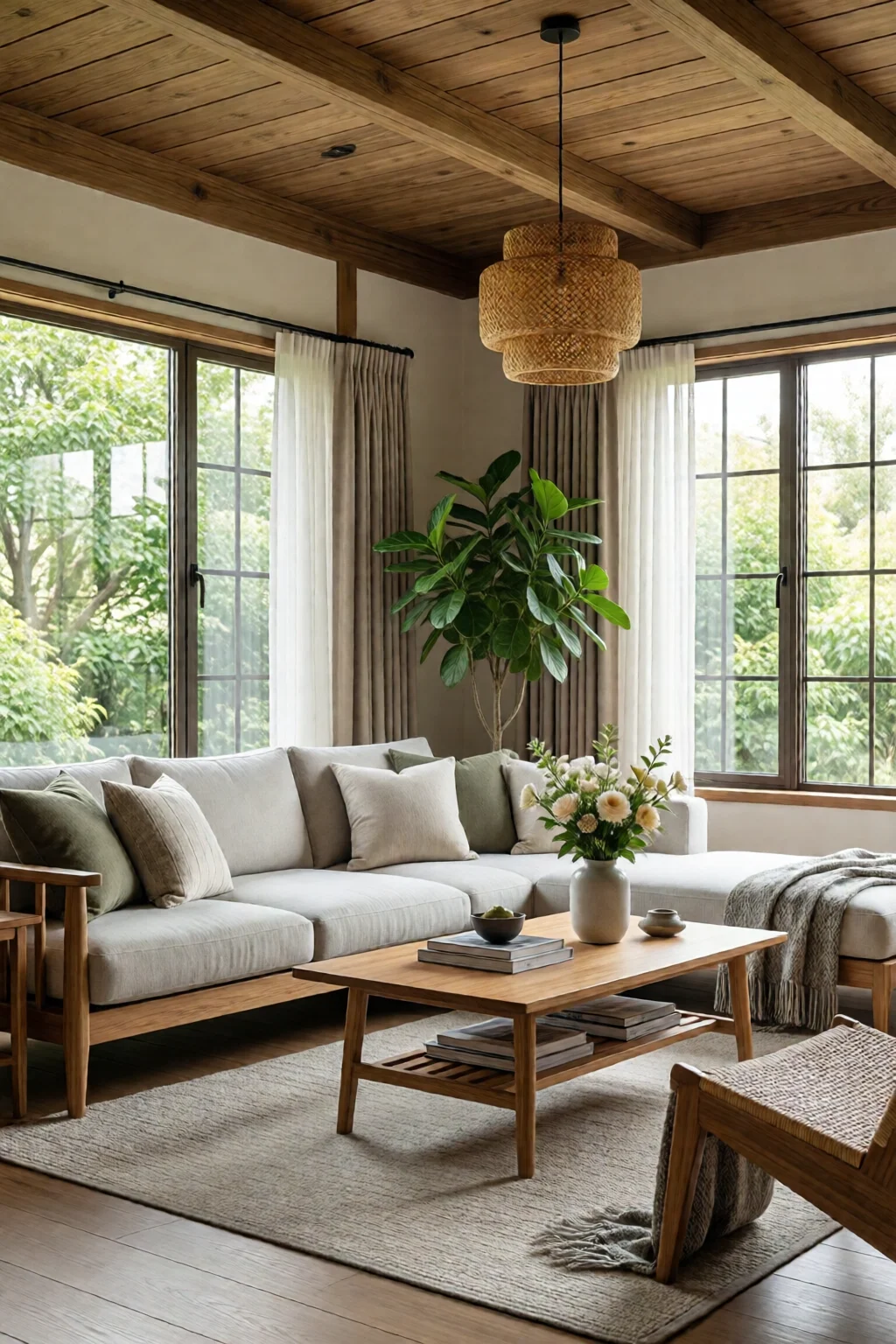
The foundation of any Japandi living room is a soothing color story. Start with a base of warm whites, soft beiges, or light greys (think Benjamin Moore – White Dove or Farrow & Ball – Skimming Stone). Layer in earthy accents like muted olive, sage, or warm terracotta for depth.
In my experience, painting the walls a warm white (≈$45 per gallon for a 400 sq ft room) and adding a single accent wall in Sherwin‑Williams – Sea Salt (≈$55 per gallon) creates the perfect canvas without overwhelming the space.
Pros
- Creates a timeless backdrop that never feels dated.
- Allows furniture and accessories to shine without clashing.
- Easy to source paint from any major retailer.
Cons
- Neutral palettes can feel bland if not paired with texture.
- May require additional accessories to avoid a “white‑wall” vibe.
2. Invest in Low‑Profile, Natural‑Wood Furniture
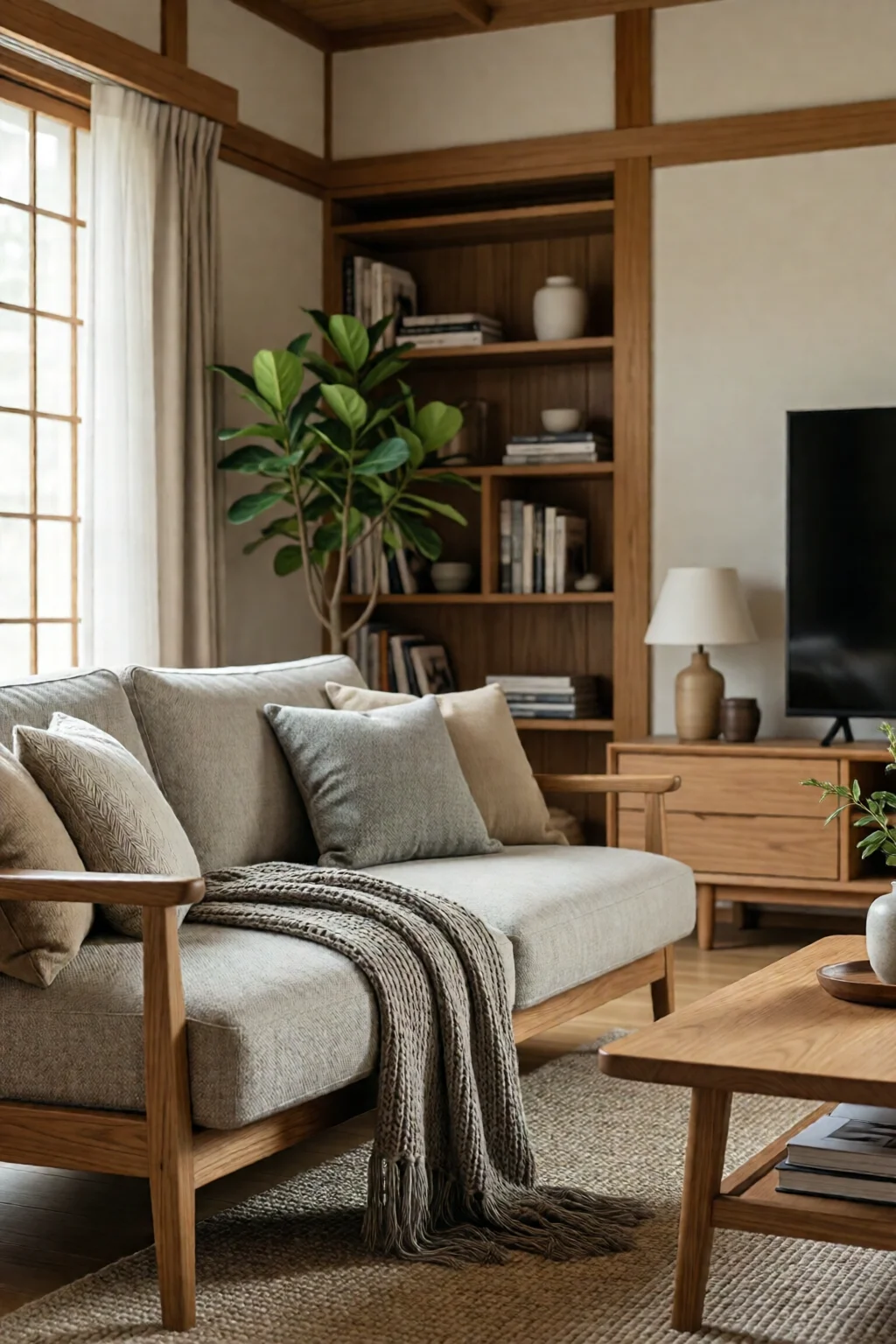
Key pieces include a sleek sofa, a low coffee table, and a media console. Look for furniture with clean lines, tapered legs, and finishes that showcase the wood grain.
Top picks:
- Sofas: Article – Seno Sofa – 84″ × 36″, walnut veneer, $1,199.
- Coffee Table: Muuto – Around Coffee Table – 30″ × 30″, birch, $350.
- Media Console: IKEA – BESTÅ – 62″ × 16″ × 19″, oak veneer, $299.
These pieces stay under $1,500 total, but deliver a high‑end feel. Opt for dimensions that keep sightlines open; a sofa no deeper than 35″ maintains the airy vibe.
Pros
- Natural wood adds warmth without heavy ornamentation.
- Low profile maintains an open floor plan.
- Durable—most pieces have 5‑year warranties.
Cons
- Solid wood can be pricey; veneer offers a budget‑friendly alternative.
- Low‑profile sofas may feel less plush for families with kids.
3. Add Textured Rugs to Anchor the Space
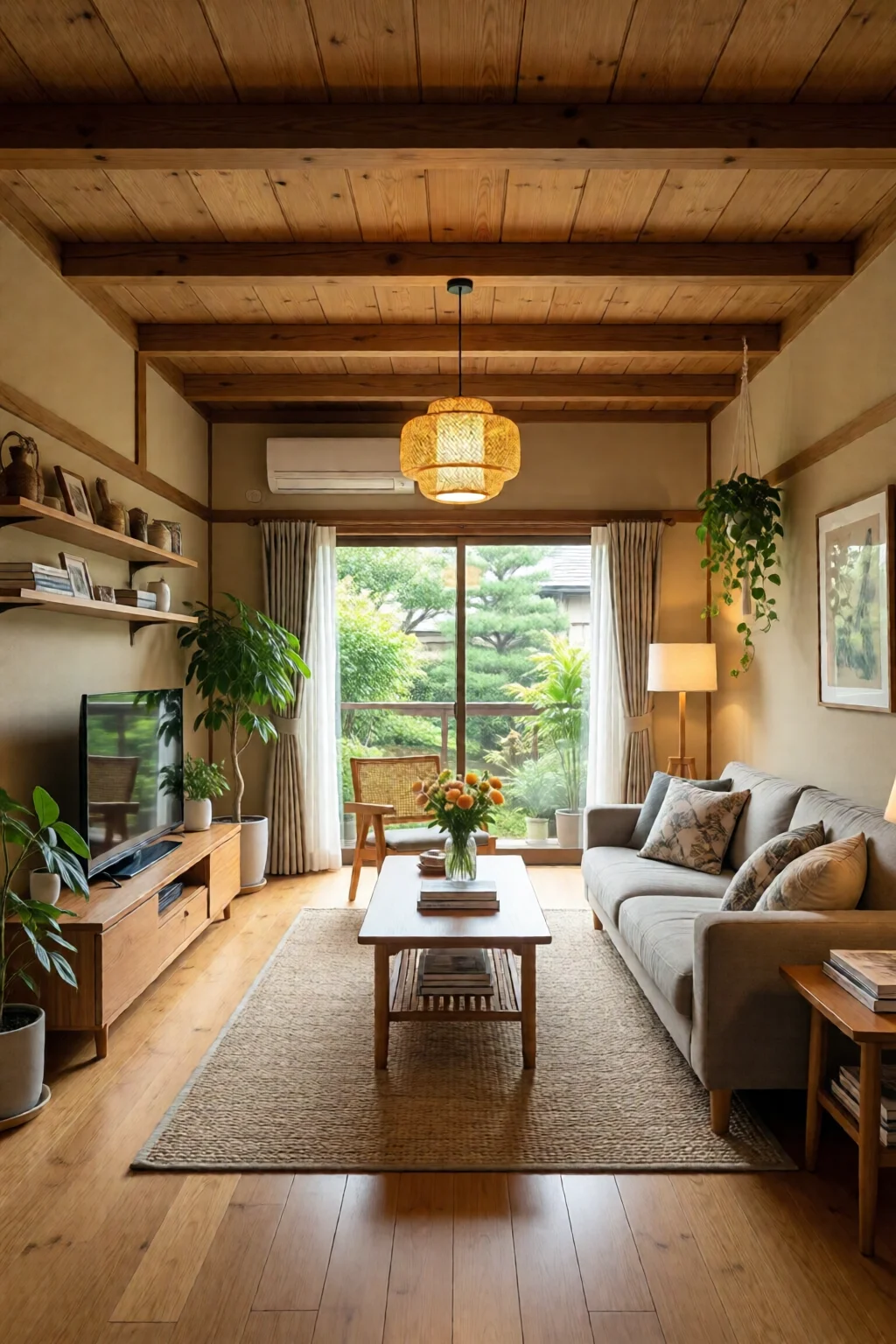
A rug is the silent hero of Japandi design. Choose natural fibers like jute, sisal, or a low‑pile wool that adds tactile interest without clutter.
My go‑to is the West Elm – Loomed Jute Rug, 5′ × 7′, $399. It’s thick enough to feel plush underfoot yet flat enough to keep the room feeling spacious. For colder climates, layer a thin wool rug (≈$250 for a 4′ × 6′ Article – Woven Wool Rug) over the jute for extra coziness.
Pros
- Natural fibers echo Japanese tatami aesthetics.
- Easy to clean—vacuum weekly, spot‑clean with mild soap.
- Provides acoustic dampening.
Cons
- Jute can feel rough under bare feet initially.
- Wool rugs may shed in high‑traffic areas.
4. Embrace Simple, Functional Lighting
Lighting in Japandi design should be understated yet purposeful. Aim for a mix of ambient, task, and accent lighting using natural materials like bamboo, paper, or matte metal.
Recommended fixtures:
- Floor Lamp: Herman Miller – Noguchi Floor Lamp, brushed brass, 66″ tall, $495.
- Table Lamp: IKEA – RANARP, black metal with linen shade, $35.
- Pendant Light: Muuto – Airy Pendant, white cotton shade, 29″ diameter, $299.
For a subtle glow, use LED bulbs at 2700 K to mimic warm daylight. Position the floor lamp beside the reading chair for a dedicated work nook.
Pros
- Minimalist fixtures keep visual clutter low.
- LEDs reduce energy costs—≈$12/month per lamp.
- Adjustable heights allow flexibility.
Cons
- High‑end pendants can be pricey.
- Some metal finishes may show fingerprints.
5. Integrate Greenery for a Living Touch
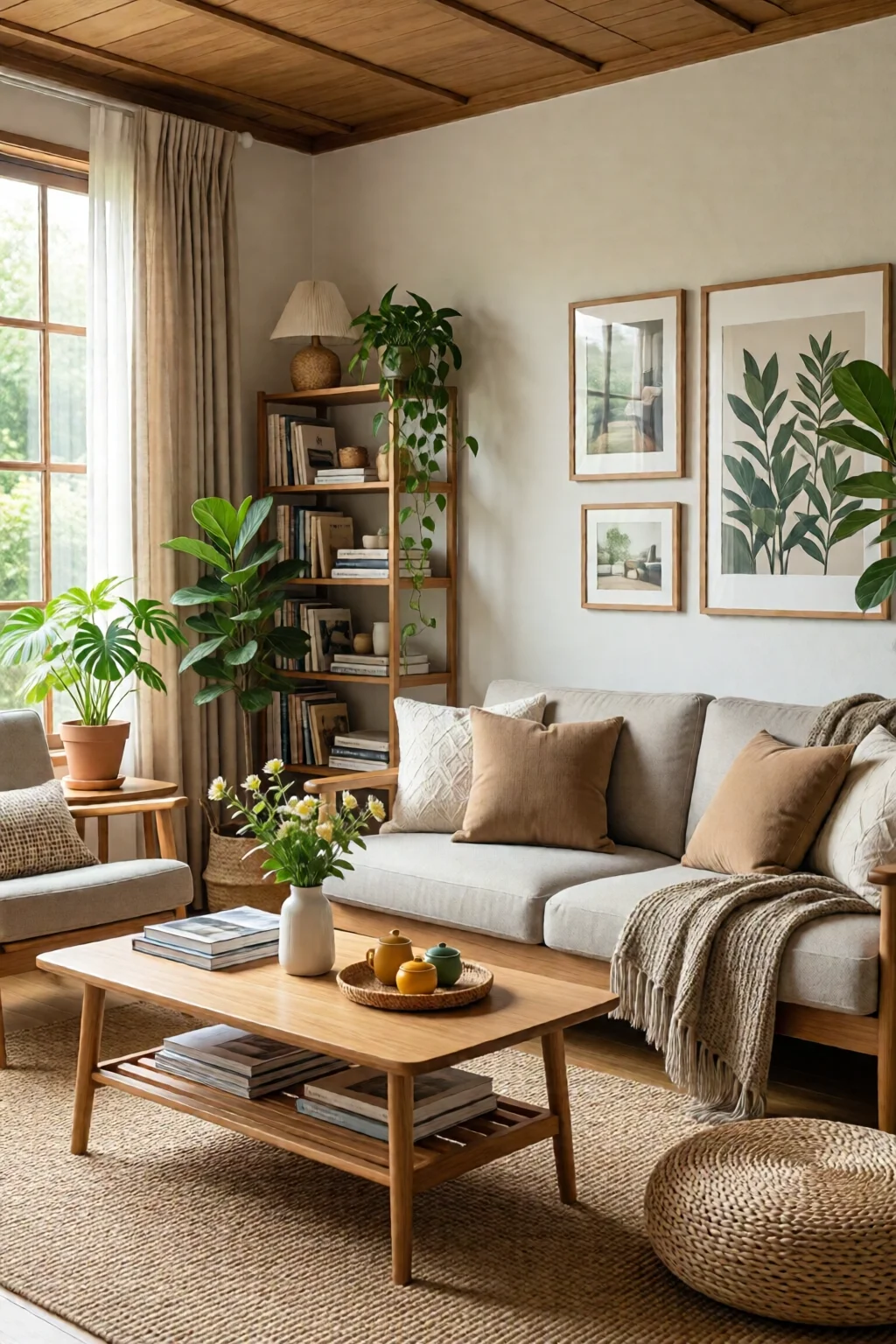
Plants soften hard lines and bring the Japanese love of nature indoors. Choose low‑maintenance varieties that thrive in indirect light.
My favorite trio:
- Fiddle Leaf Fig – 6 ft tall, $120 (store at The Sill).
- Snake Plant – 12″ × 12″, $45 (Home Depot).
- ZZ Plant – 8″ × 8″, $30 (IKEA – ZZ Plant).
Place the fiddle leaf fig near a large window, the snake plant on the coffee table, and the ZZ plant on a sideboard. Use woven bamboo pots (≈$25 each) to keep the natural theme consistent.
Pros
- Improves indoor air quality by up to 25 % (NASA study).
- Adds organic texture without visual noise.
- Easy to swap out as trends evolve.
Cons
- Fiddle leaf figs can be finicky—requires weekly watering.
- Over‑watering leads to root rot.
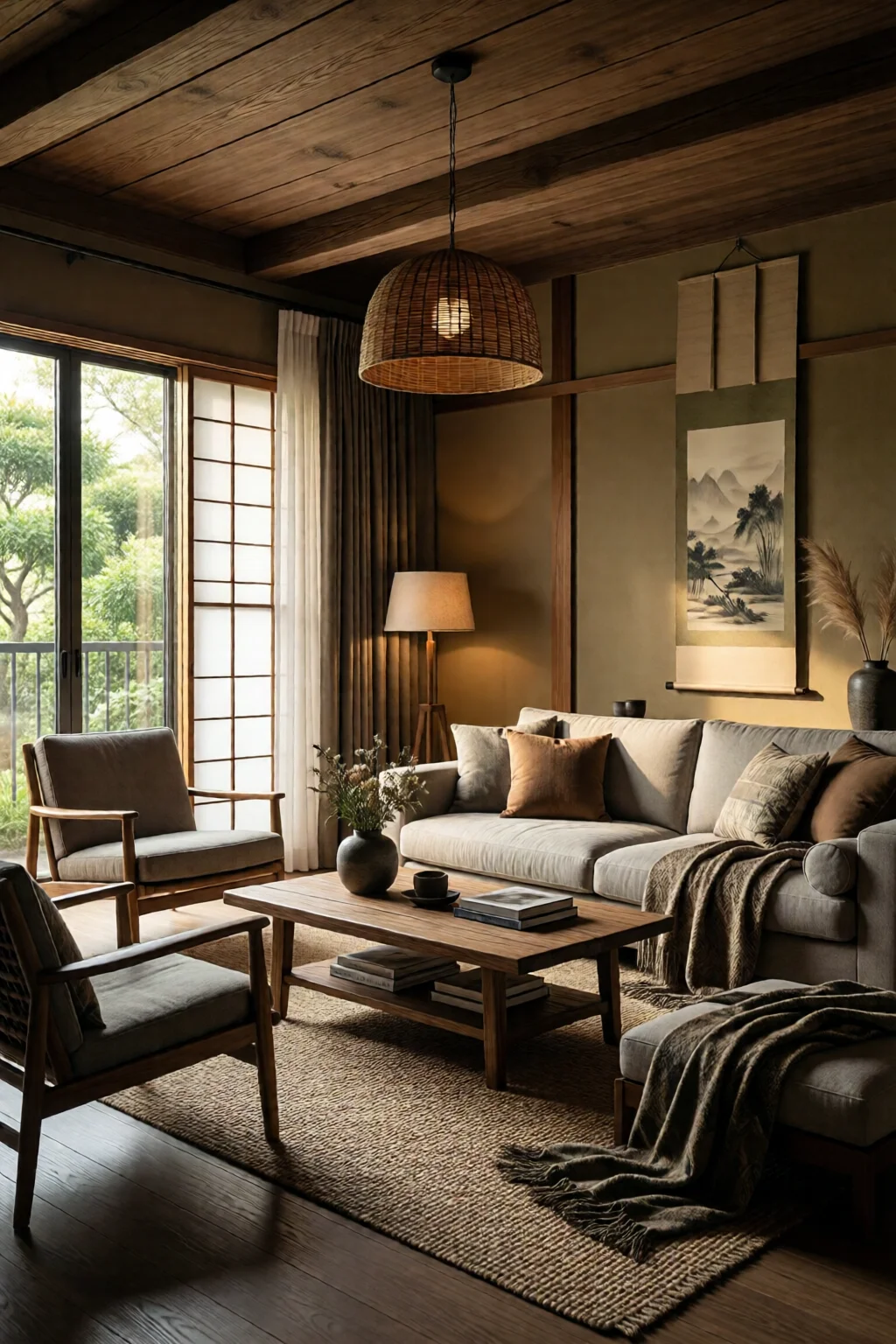
6. Curate Minimalist Wall Art & Accessories
In Japandi, the walls are a canvas for subtle storytelling. Opt for framed black‑and‑white photography, abstract line drawings, or a single large Japanese woodblock print.
Example: Society6 – “Quiet Forest” canvas, 24″ × 36″, $89. Pair with a simple IKEA – RIBBA frame ($15) for a total under $110.
Keep accessories to a minimum—perhaps a ceramic vase (≈$45 from East Fork) and a handcrafted wooden bowl (≈$70 from Made Trade).
Pros
- Creates focal points without clutter.
- Easy to change seasonally.
- Affordable art options abound online.
Cons
- Too many small pieces can break the minimalist flow.
- Large prints may overwhelm a small room.
7. Design a Multi‑Functional Layout
Japandi living rooms often double as workspaces or meditation zones. Use a low Article – Seno Desk, 48″ × 24″, $249, positioned against a wall to keep the area open.
In my own home, I placed a sleek floor cushion (Muji – Floor Cushion, 22″ × 22″, $45) beside the desk for a quick meditation break. The key is to keep furniture on the floor—no bulky storage units that block sightlines.
Pros
- Maximizes square footage without sacrificing style.
- Encourages a balanced lifestyle—work, relax, breathe.
- Low‑profile pieces are easy to move.
Cons
- May require creative storage solutions (e.g., woven baskets).
- Limited seating for large gatherings.
8. Use Natural Textiles for Softness
Layer linen throws, cotton cushions, and wool blankets to add depth. Look for neutral tones—off‑white, muted taupe, or soft sage.
My favorite set: Brooklinen – Luxe Throw, 50″ × 60″, $79; West Elm – Cotton Pillow Covers, 18″ × 18″, $28 each (set of 4 = $112). The total investment of $191 brings warmth without breaking the budget.
Pros
- Mixes textures while staying within the Japandi color scheme.
- Easy to wash—most are machine‑safe.
- Allows quick seasonal updates.
Cons
- Too many layers can feel bulky if not balanced.
- Higher‑end linen can cost $120+ per throw.
9. Keep Clutter to a Minimum with Smart Storage
Closed storage maintains the clean lines essential to Japandi. Choose minimalist cabinets or woven baskets that echo natural materials.
Example: IKEA – KVISSLE basket series—set of 3, 30″ × 30″ each, $45 total. Use them for magazines, blankets, or remote controls. For larger items, a low media console with soft‑close doors (like the Article – Seno Media Console, $399) hides electronics while preserving the aesthetic.
Pros
- Reduces visual noise, keeping the room serene.
- Closed storage protects items from dust.
- Woven baskets add texture.
Cons
- May require discipline to keep items out of sight.
- Open shelving can disrupt the minimalist vibe.
10. Blend Scandinavian and Japanese Accents Seamlessly
Finally, tie the room together with a few signature pieces that speak to both traditions. A Muuto – Outline Chair in natural oak (63″ × 31″, $299) offers the sleek lines of Scandinavian design while its low back nods to Japanese floor seating.
Pair it with a HAY – Loop Pillow in muted teal ($45) for a subtle pop of color that doesn’t dominate the palette. The mixture of clean geometry and organic material is the essence of Japandi.
Pros
- Creates a cohesive, curated look.
- Allows personal expression within a defined style.
- Investing in a few statement pieces yields high impact.
Cons
- Higher price point for designer items.
- Finding the perfect balance may take trial and error.
Comparison Table: Top Japandi Picks
| Item | Brand | Price (USD) | Dimensions | Rating (out of 5) |
|---|---|---|---|---|
| Sofa | Article – Seno Sofa | $1,199 | 84″ × 36″ × 30″ | 4.7 |
| Coffee Table | Muuto – Around | $350 | 30″ × 30″ × 15″ | 4.5 |
| Rug (Jute) | West Elm – Loomed Jute | $399 | 5′ × 7′ | 4.3 |
| Floor Lamp | Herman Miller – Noguchi | $495 | 66″ H | 4.6 |
| Desk | Article – Seno Desk | $249 | 48″ × 24″ × 30″ | 4.4 |
| Wall Art | Society6 – “Quiet Forest” | $89 | 24″ × 36″ | 4.2 |
| Throw | Brooklinen – Luxe | $79 | 50″ × 60″ | 4.5 |
Final Verdict
Japandi living room design ideas are all about striking a balance—light, airy spaces anchored by warm, natural materials. By following the ten steps above—starting with a calming palette, selecting low‑profile wood furniture, layering texture through rugs and textiles, and sprinkling in greenery—you can craft a living room that feels both contemporary and timeless.
Remember, the magic lies in restraint. One or two statement pieces, thoughtful lighting, and intentional storage will keep the room feeling spacious and serene for years to come.
How much does a full Japandi makeover cost?
A budget‑friendly makeover can be done for $2,500–$4,000 by focusing on key pieces (sofa, rug, lighting) and DIY painting. High‑end projects with designer furniture may exceed $10,000.
Can Japandi work in small apartments?
Absolutely. The low‑profile furniture and neutral palette actually enhance the sense of space in compact rooms.
What’s the difference between Japandi and traditional Scandinavian design?
Japandi adds Japanese warmth, natural textures, and a more organic feel to the cool, sleek lines of Scandinavian design.
Where can I find affordable Japandi furniture?
Check out minimalist living room design ideas for IKEA, Article, and Muuto sales. Outlet stores and online marketplaces often have discounted pieces.
How do I maintain natural wood furniture?
Dust weekly, use a damp cloth with a pH‑neutral wood cleaner quarterly, and place coasters under drinks to prevent water rings.
2 commentaires sur « How to Japandi Living Room Design Ideas (Expert Tips) »