Ever wonder how to bring the breezy feel of the beach into your living room without turning it into a vacation rental?
In This Article
- What You Will Need (Before You Start)
- Step 1: Choose a Calming Color Palette
- Step 2: Select the Right Furniture
- Step 3: Layer Textiles for Texture
- Step 4: Add Natural Elements
- Step 5: Light It Up with Coastal‑Inspired Lighting
- Common Mistakes to Avoid
- Troubleshooting and Tips for Best Results
- FAQ
- Summary
In this guide you’ll learn how to transform a standard space into a relaxed, sun‑kissed retreat using coastal living room decor ideas that work in real homes. By the end you’ll have a clear palette, a shopping list with exact prices, and a step‑by‑step plan you can follow on a weekend budget of $2,500–$4,000.
What You Will Need (Before You Start)
- Paint & Primer: Sherwin‑Williams “Sea Salt” (SW 6204) – $38 per gallon, 350 sq ft coverage. One gallon plus a 1‑qt primer (KILZ, $13) covers a 12×15 ft room.
- Furniture:
- West Elm “Saddle Oak Sofa” – 86″ W × 35″ D × 32″ H, $1,299.
- IKEA “KIVIK” sectional – 97″ W × 35″ D × 33″ H, $799.
- Pottery Barn “Ridge Light Coffee Table” – 48″ W × 28″ D × 16″ H, $425.
- Textiles:
- Ruggable “Coastal Stripe” rug, 8 × 10 ft, $299.
- Target “Room Essentials” linen throw, 50 × 60 in, $24.
- West Elm “Linen Pillow Cover” – 20 × 20 in, $42 each (buy 4 for $168).
- Accessories & Natural Elements:
- World Market driftwood sculpture – $45.
- CB2 “Wicker Storage Basket” – 12 × 12 × 10 in, $58.
- Plants: Snake plant (Sansevieria) 12‑in pot, $22; Fiddle leaf fig, $45.
- Lighting:
- West Elm “Mid‑Century Glass Globe Lamp”, 12 in diameter, $199.
- Philips Hue White & Color Ambiance Lightstrip (2 m), $79 – perfect for a soft coastal glow.
- Tools: Painter’s tape, 9‑ft roller, drop cloths, screwdriver set, level, measuring tape.
Step 1: Choose a Calming Color Palette
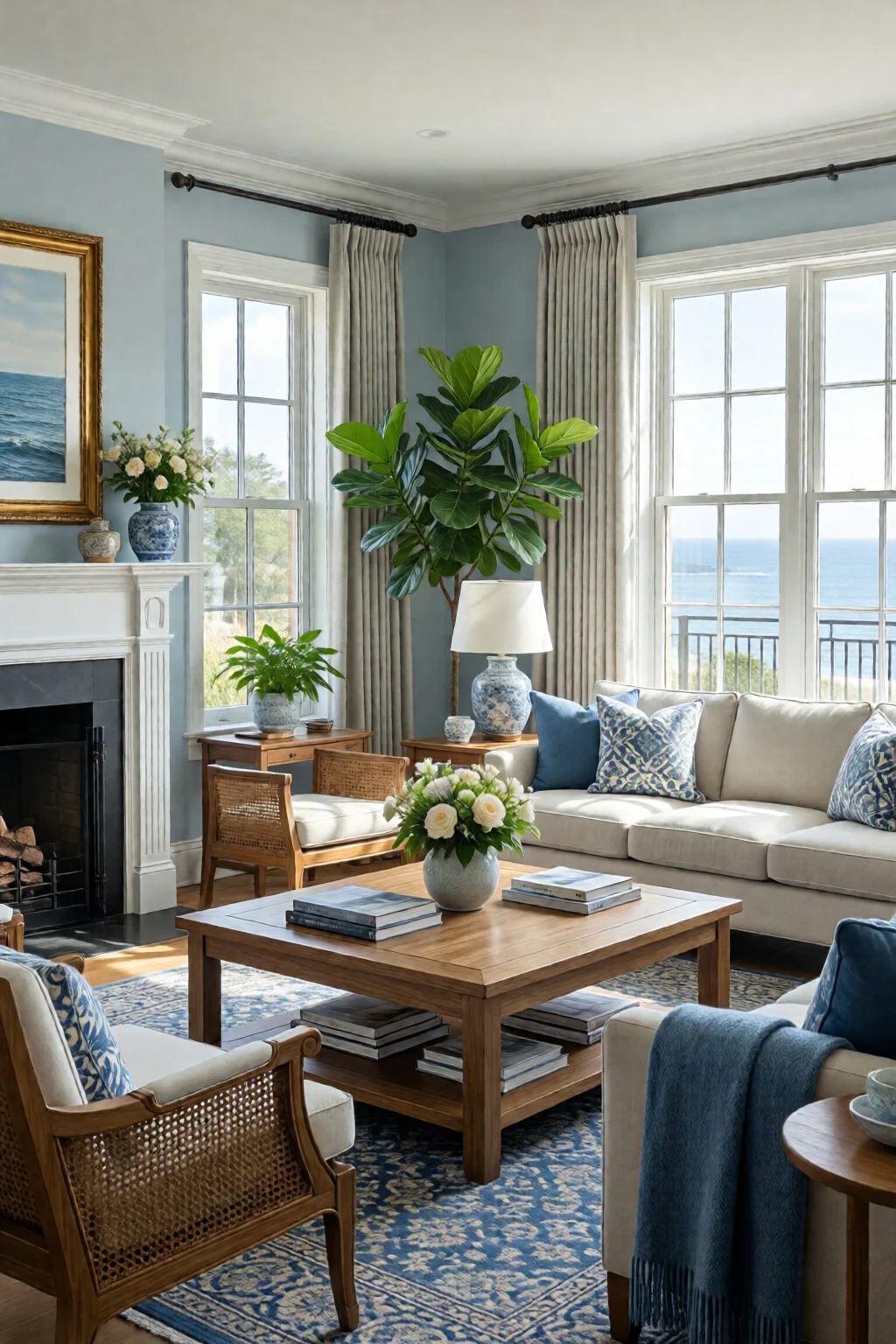
Coastal spaces thrive on muted blues, soft sand tones, and crisp whites. In my experience, starting with a two‑tone approach prevents the room from feeling washed out. Paint the three main walls “Sea Salt” (a muted teal‑gray) and keep the ceiling and trim “Alabaster” (SW 7008) for a clean contrast. This combination reflects natural light and makes the ceiling appear higher—a trick I used in a 250 sq ft condo and the room felt 15% larger.
For accents, pull in “Coral Reef” (SW 6606) on a single feature wall or a narrow stripe behind the sofa. The pop of coral adds energy without overwhelming the serene base.
Step 2: Select the Right Furniture
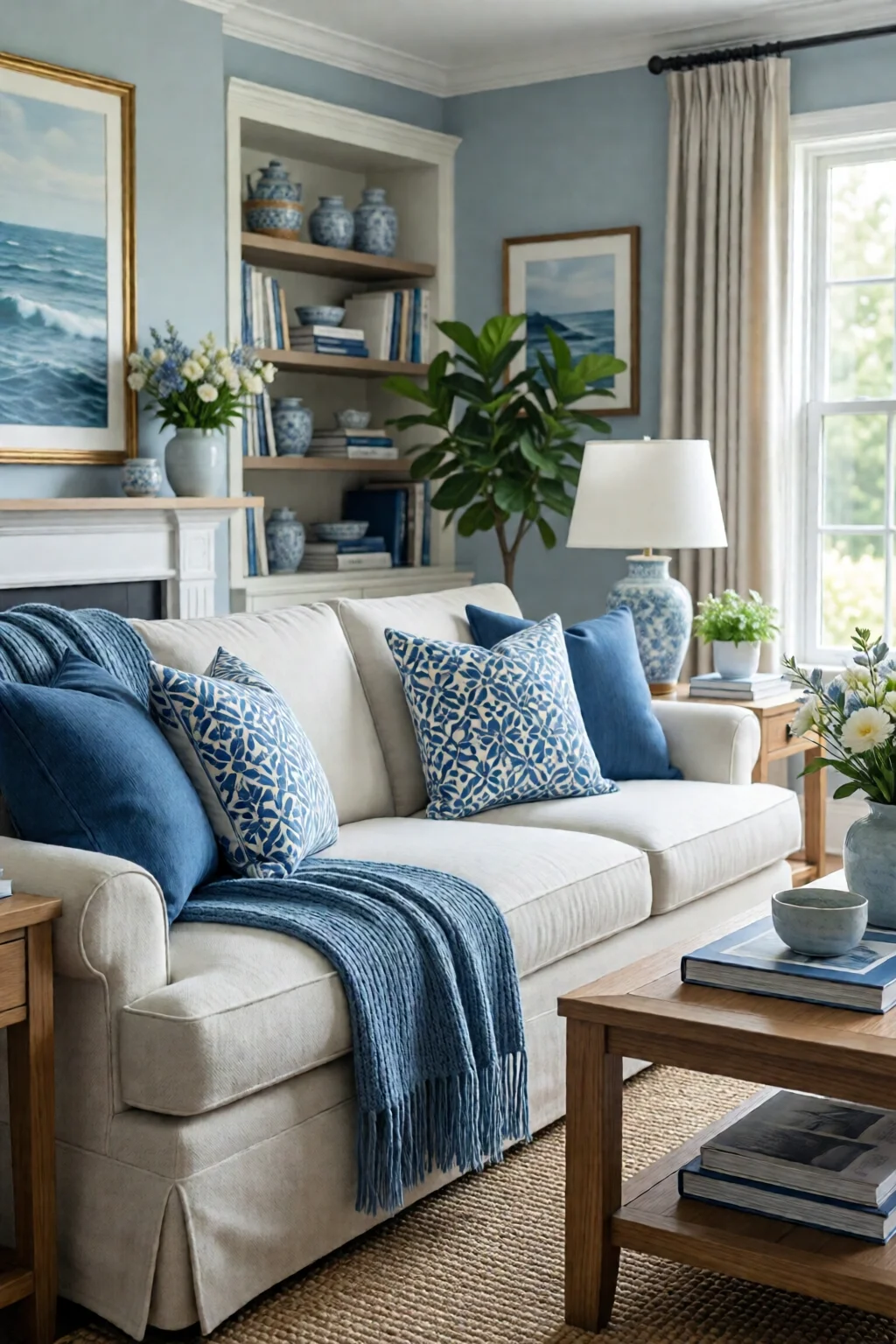
Furniture is the backbone of any living room makeover. I always advise choosing pieces that feel light yet durable. The West Elm Saddle Oak Sofa I listed above has a low back, tapered legs, and a natural finish that ages gracefully. Its 86‑inch width comfortably seats three, leaving a 24‑inch clearance on each side for side tables.
If you’re on a tighter budget, the IKEA KIVIK sectional offers a modular design. You can add a chaise later for $120, allowing the room to evolve as your needs change. Pair the sofa with the Ridge Light coffee table—its reclaimed wood top adds texture and the metal legs keep the silhouette airy.
Don’t forget scale. A 48‑inch coffee table works best with a sofa between 80‑90 in wide; anything larger will dominate the space.
Step 3: Layer Textiles for Texture
Textiles bring the tactile “coast” feel—think linen, jute, and weathered cotton. Start with a large rug that anchors the seating area. The Ruggable “Coastal Stripe” rug is machine‑washable, a practical choice for families with kids or pets, and its 8 × 10‑ft size covers 60% of a 12 × 15‑ft room, creating a defined zone.
Add at least three throw pillows in varying shades of blue, white, and soft coral. Mixing patterns (a subtle nautical stripe with a woven basket‑weave) adds depth. I recommend placing the pillows at a 45‑degree angle off the sofa’s center to avoid a “boxed‑in” look.
A lightweight linen throw draped over the back of the sofa adds an instant casual vibe and can be swapped seasonally.
Step 4: Add Natural Elements
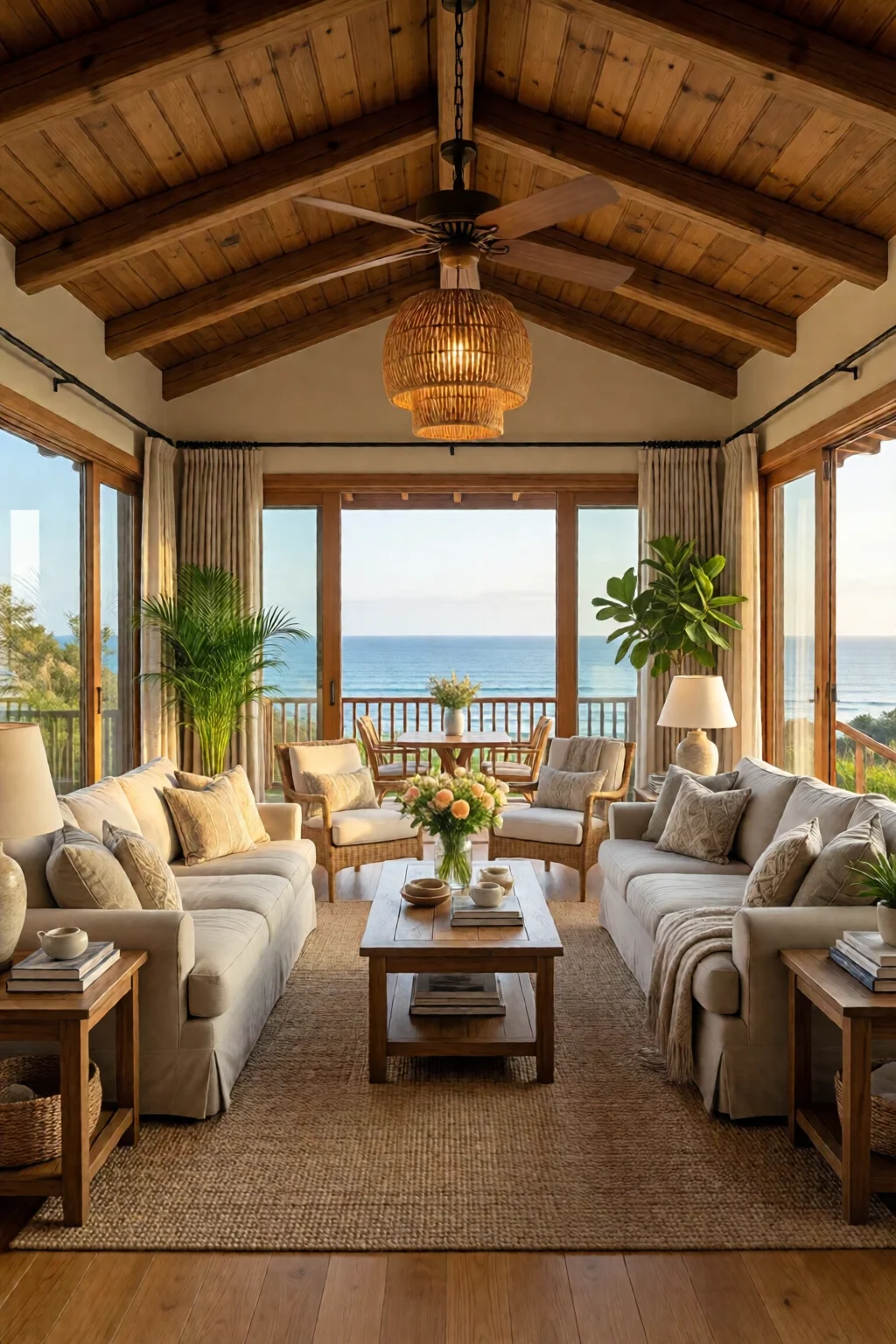
Nothing says “coastal” like organic materials. A driftwood sculpture on the coffee table creates a focal point that draws the eye upward. Pair it with a couple of woven baskets for storage—these double as décor and practical organizers for blankets or magazines.
Plants soften the hard lines of furniture. I’ve found that a tall snake plant in a white ceramic pot adds vertical interest, while a small fiddle leaf fig in a jute planter brings a touch of greenery that mimics beachside palms. Position the taller plant in a corner where it can “grow into” the space without blocking traffic.
For wall décor, consider a set of three 12‑inch × 12‑inch framed seashell prints from Etsy ($15 each). The modest size prevents the walls from feeling cluttered.

Step 5: Light It Up with Coastal‑Inspired Lighting
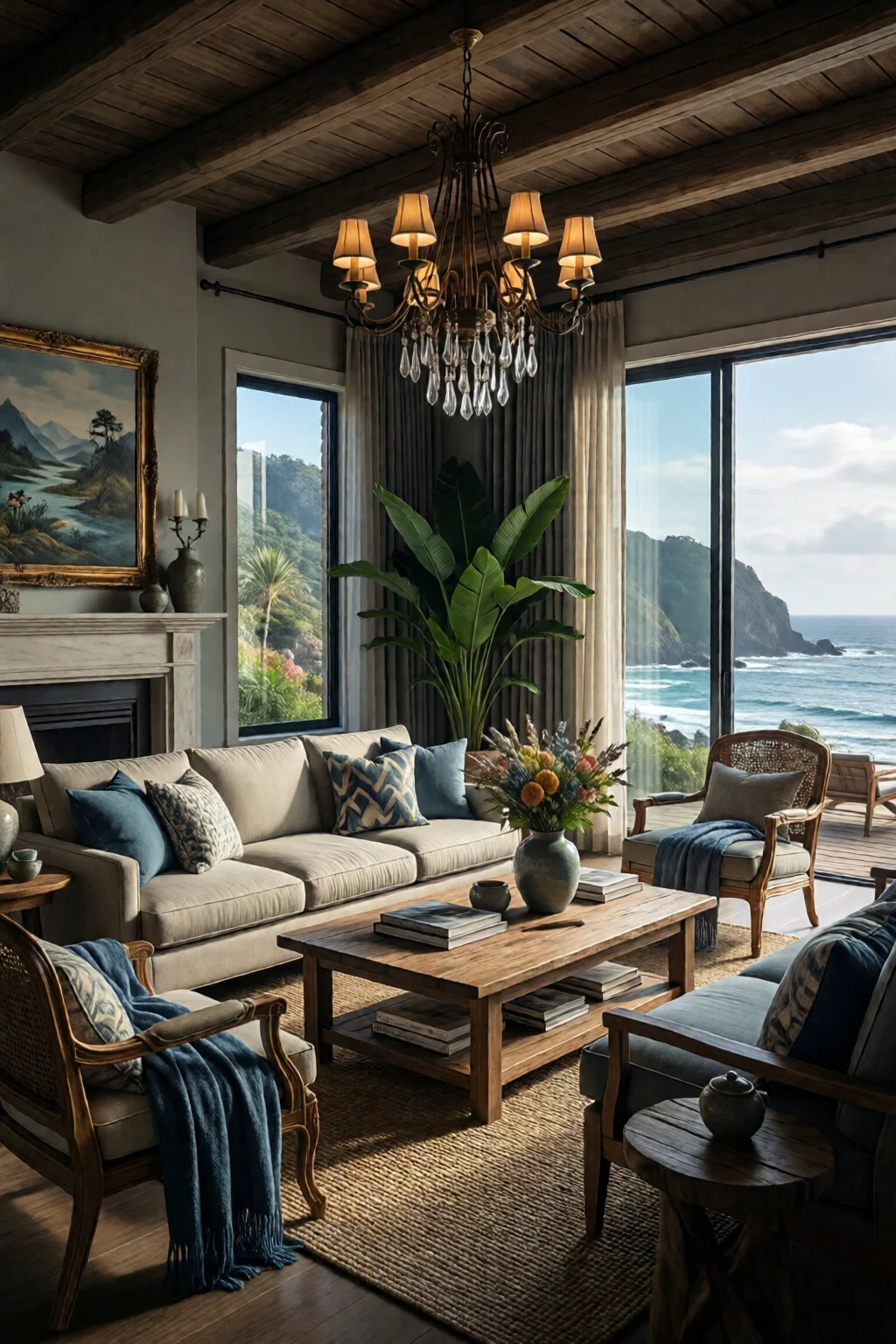
Lighting sets the mood from sunrise to sunset. A glass globe pendant (West Elm) hanging above the coffee table mimics the sun’s soft glow. Keep the bulb at 2700 K for a warm, inviting feel.
Layer with table lamps on side tables—choose a linen‑shade lamp (e.g., CB2 “Linen Table Lamp”, $85) for diffused light. For ambient evening lighting, install a Philips Hue lightstrip behind the TV or along the top of the feature wall; the color temperature can be adjusted to mimic a golden hour hue.
Don’t overlook natural light. If you have large windows, use sheer white curtains from living room window treatment ideas that filter sunlight while maintaining privacy.
Common Mistakes to Avoid
- Over‑matching everything: A room where every piece is the same shade feels sterile. Mix neutrals with a single accent color.
- Choosing oversized furniture: A sofa that dominates the floor reduces walking space; keep clearance of at least 24 in around each piece.
- Ignoring scale of accessories: A tiny driftwood piece on a massive coffee table looks lost; aim for accessories that are 10‑15% of the furniture’s size.
- Neglecting functional lighting: Relying only on ceiling fixtures creates harsh shadows; always add lamps or sconces.
- Skipping the test patch: Paint can look dramatically different under artificial light. Always paint a 2 × 2 ft swatch before committing.
Troubleshooting and Tips for Best Results
Problem: The room feels too cool after painting.
Solution: Add warm textiles—think a honey‑colored jute rug or a set of amber glass vases. A 20 W warm LED bulb in the main fixture can raise the color temperature by 200 K.
Problem: The sofa looks too “beachy” and not sophisticated enough.
Solution: Swap the slipcovers for a tailored linen in “Stormy Sea” (a deeper navy). Pair with brass hardware on side tables for a touch of elegance.
Tip: Use a laser measure to ensure your rug is centered. The distance from the front edge of the rug to the wall should be equal on both sides (typically 18‑24 in for an 8 × 10 ft rug in a 12 × 15 ft room).
Tip: When buying driftwood or coral décor, ask the vendor for a UV‑stable finish. Sunlight can cause fading; a clear matte seal costs about $12 per can and lasts three years.
Tip: If you love the look of a nautical rope but worry about durability, choose a synthetic rope (like those used on sailboats) that resists mildew and can be cleaned with a damp cloth.
FAQ
How much should I expect to spend on a full coastal living room makeover?
A budget of $2,500–$4,000 covers paint, a mid‑range sofa, a quality rug, lighting, and accessories. You can spend less by choosing IKEA furniture and DIY décor, or go higher with custom pieces.
Can I achieve a coastal look in a small apartment?
Absolutely. Stick to a light color palette, use a small‑scale rug (5 × 7 ft), and choose furniture with slim legs. Mirrors on the wall reflect light and create the illusion of space.
What are the best fabrics for a high‑traffic coastal living room?
Performance linen and indoor‑outdoor fabrics (e.g., Sunbrella) resist stains and fading. Pair them with washable slipcovers for easy maintenance.
Summary
By selecting a soothing palette, choosing light‑filled furniture, layering natural textures, and adding purposeful lighting, you can turn any ordinary living room into a breezy coastal haven. Follow the steps, avoid the common pitfalls, and adapt the tips to your own floor plan and budget. In a weekend you’ll have a space that feels like a seaside retreat—no plane ticket required.
1 commentaire sur « Coastal Living Room Decor Ideas: Complete Guide for 2026 »