When I first redecorated my own living room, the curtains felt like the missing puzzle piece. I tried a handful of ready‑made panels, then a custom‑sewn set, and each time the space either felt cramped or suddenly opened up. The truth is, the right curtains do more than dress a window—they shape light, define style, and even influence the room’s acoustics. Below you’ll find a deep dive into living room curtain ideas and tips that will help you move from “just a window covering” to a purposeful design element.
In This Article
- 1. Measure Twice, Hang Once: Getting the Basics Right
- 2. Style Choices That Speak to Your Space
- 3. Fabric & Material Guide: From Linen to Velvet
- 4. Hardware & Installation: The Unsung Heroes
- 5. Budget‑Friendly Options Without Sacrificing Style
- Pro Tips from Our Experience
- Comparison Table: Popular Curtain Brands for Living Rooms
- Frequently Asked Questions
- Conclusion: Your Next Steps
Whether you’re outfitting a sleek mid‑century modern loft, a cozy farmhouse lounge, or a budget‑friendly apartment, the decisions you make about length, fabric, hardware, and placement will determine how the room feels day‑to‑day. Let’s walk through the process step by step, peppered with real‑world numbers, product recommendations, and the occasional “what I wish I’d known earlier.”
1. Measure Twice, Hang Once: Getting the Basics Right
Know Your Window Dimensions
Start with a tape measure and a notepad. Record the width of the window opening, the height from the floor to the top of the trim, and the depth of the window frame (usually 2–4 inches). For a balanced look, add 6–12 inches on each side of the window; this creates a “window illusion” that makes the glass appear larger. Example: a 48‑inch wide window should have curtains that total 72–84 inches wide (1.5–1.75 times the width).
Decide on Length
Three popular lengths dominate living rooms:
- Floor‑length (just touching the floor): 84–96 inches from rod to floor for 8‑ft ceilings; gives a formal, elegant vibe.
- Puddling: Add 2–4 inches beyond the floor; works well with plush fabrics like velvet for a luxe feel.
- Tailored (just above the floor): 1‑2 inches clearance; ideal for high‑traffic spaces where you don’t want tripping hazards.
My own living room uses a 94‑inch length (1 inch puddle) on a 9‑ft ceiling, which adds height without looking sloppy.
Choosing Opacity
Ask yourself: Do you need privacy, light‑filtering, or blackout performance? Here’s a quick guide:
| Opacity | Best For | Typical Light Transmission |
|---|---|---|
| Sheer (e.g., IKEA HILVER, $29.99 per panel, 84 in × 54 in) | Soft daylight, privacy without blockage | 15‑25 % |
| Light‑filter (e.g., West Elm Belgian Flax, $89 per panel, 84 in × 54 in) | Living rooms that need ambient light | 30‑45 % |
| Blackout (e.g., Pottery Barn Emery, $149 per panel, 84 in × 54 in) | Home‑theater or nap‑friendly spaces | 0‑5 % |
2. Style Choices That Speak to Your Space

Modern Minimalist
Think clean lines, neutral tones, and hardware that’s almost invisible. A 2‑inch diameter aluminum rod (e.g., Umbra Cappa, $39) paired with flat‑panel linen curtains in dove gray creates a sleek backdrop. I’ve installed this combo in a 3,200‑sq‑ft condo; the curtains cost $126 total and required only two hours of DIY installation.
Classic Drapery
Full‑pleated curtains in heavyweight fabrics add drama. For a traditional look, choose a 2.5‑inch wood rod (e.g., West Elm Walnut Rod, $79) and pair it with 2‑panel velvet sets (e.g., Pottery Barn “Caspian” in deep navy, $199 per panel). The total investment is about $477, but the curtains stay in place for decades, resisting wear and sun‑fade.
Boho & Textured
Layer a sheer panel with a patterned cotton‑linen blend. My favorite is the Anthropologie “Milan” set—$149 per panel, 84 in × 54 in, featuring a subtle Ikat print. Add a brass finial (e.g., Hinkley Brass “Milan” finial, $24) for a touch of wanderlust. This look works especially well when combined with farmhouse living room decor ideas or eclectic wall art.
3. Fabric & Material Guide: From Linen to Velvet
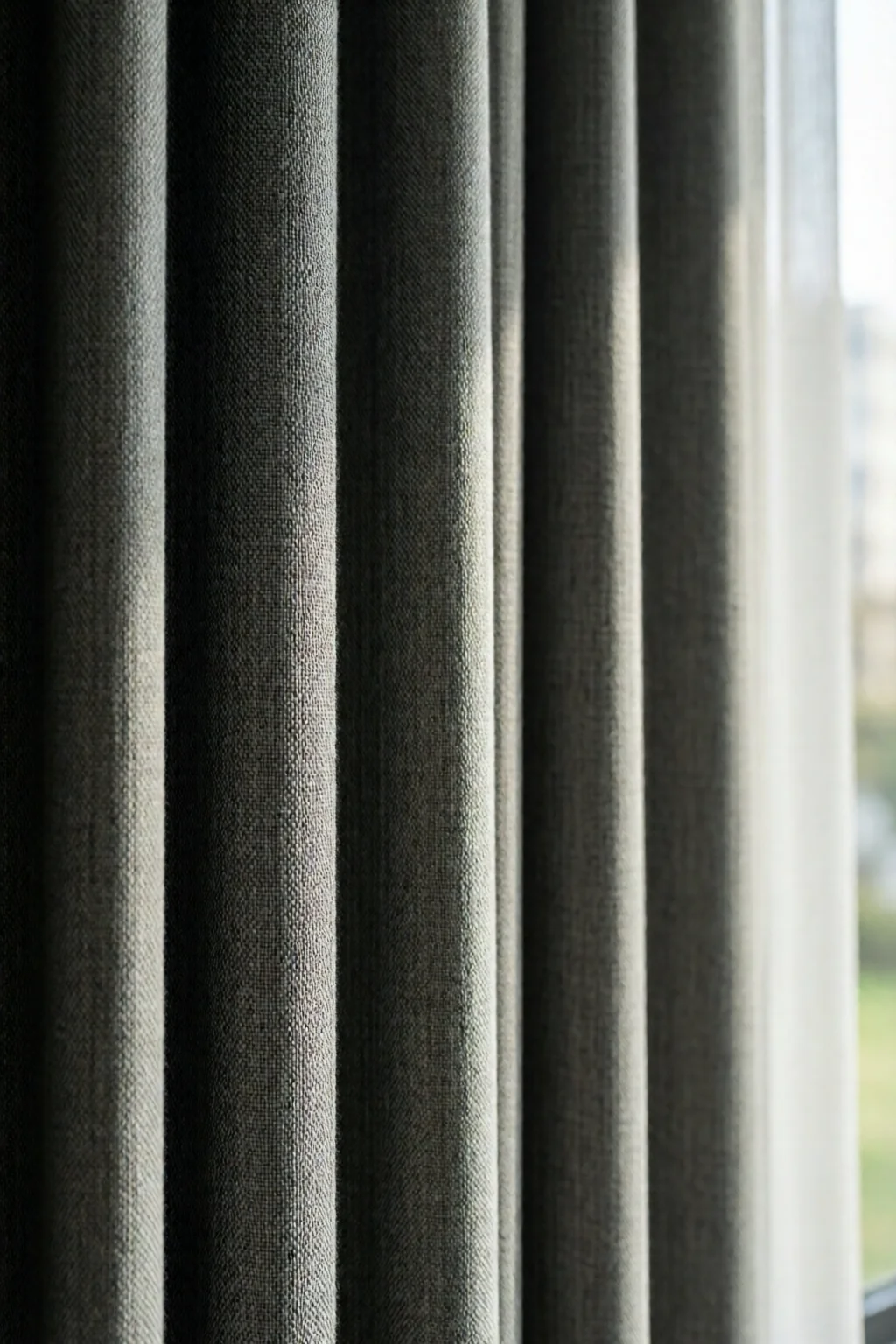
Linen – Breathable & Casual
Linen curtains soften a room while allowing 30‑40 % of light through. A 100% linen panel from Target’s “Project 62” line runs $45 for a 84‑in × 54‑in size. Expect a slight shrinkage of 2‑3 % after the first wash; pre‑wash before hanging.
Velvet – Luxury & Insulation
Velvet not only looks opulent; its dense weave offers up to 60 % better insulation compared to cotton. Pottery Barn’s “Caspian” velvet (as mentioned above) boasts a 300‑gsm weight, which means it drapes beautifully without sagging. Installation may require sturdier brackets (rated for at least 30 lb per side).
Blackout Linings – Multi‑Function
Many retailers sell curtains with an attachable blackout liner. IKEA’s “VIVAN” liner, $12 per panel, can be clipped onto any existing panel, adding a 5‑star light‑blocking rating for under $30 total. This is a budget‑friendly hack for apartments where you need both style and privacy.
4. Hardware & Installation: The Unsung Heroes
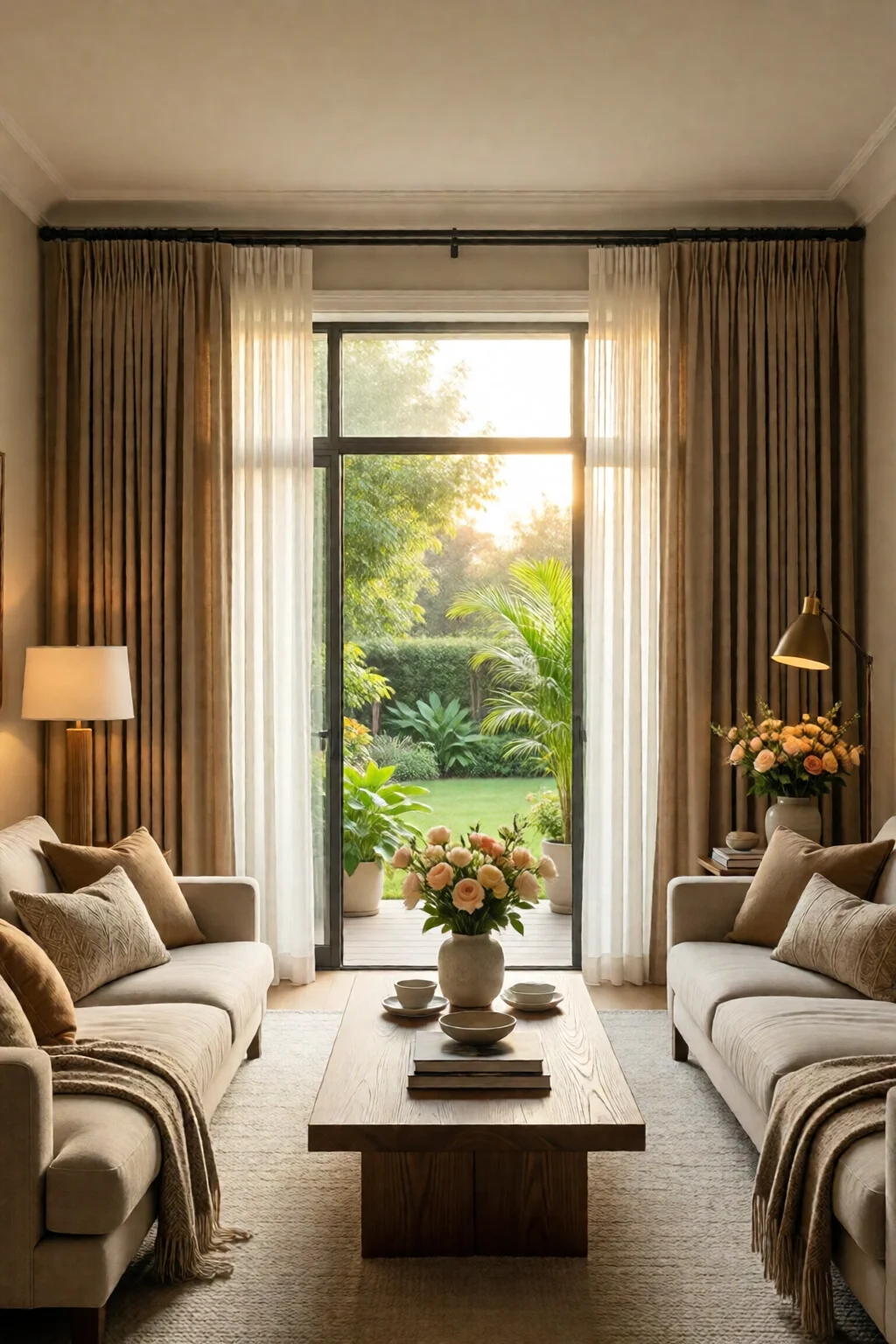
Choosing the Right Rod
Rod diameter influences both aesthetic and load‑bearing capacity. For heavy drapes (velvet, blackout), go with at least 2.5‑inches in diameter and a metal core. A 60‑inch rod from cozy living room ideas on a budget costs $32 and can hold up to 40 lb.
Finials & Brackets
Finials are more than decorative; they help distribute weight. Brass finials add a warm glow, while matte black gives a contemporary edge. Brackets should be placed 4–6 inches outside the window frame to achieve the “wider than the window” effect.
DIY vs Professional Hanging
If you’re comfortable with a drill, a typical DIY install takes 1–2 hours for a single rod. Professional hanging (average $80 per hour) might be worth it for ceiling‑mounted tracks or motorized systems. Motorized curtain kits (e.g., Somfy “Style” set, $299) integrate with smart home hubs and add convenience for high windows.
5. Budget‑Friendly Options Without Sacrificing Style

Ready‑Made Sets
Retail giants like Wayfair and Target sell complete kits (two panels + rod) for $70–$150. Look for “double‑eyelet” panels; they slide easily on the rod and require no extra hardware.
Custom but Cost‑Effective
Online custom curtain services (e.g., Blinds.com) let you choose fabric, length, and hardware. A 2‑panel custom set in 100% cotton (84 in × 54 in) from their “Classic” line runs $129 total, including free samples and a 30‑day return policy.
Upcycling & DIY
Repurpose a large tablecloth or a thrift‑store sheet. Add grommets using a basic eyelet kit ($9). I once turned a 120‑in × 80‑in linen tablecloth into a floor‑length curtain for $22 total—plus the satisfaction of a truly unique piece.
Pro Tips from Our Experience
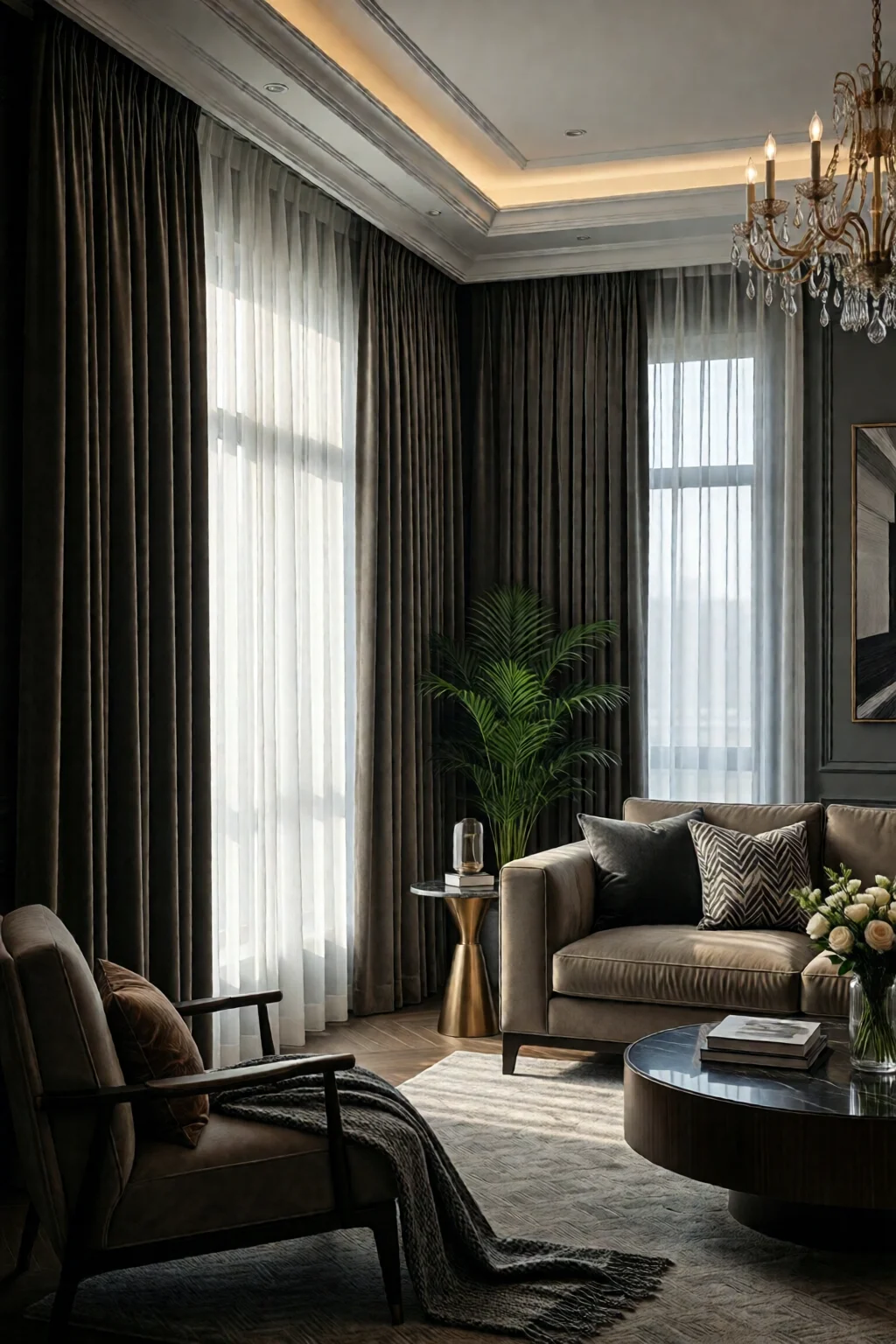
- Layer for Flexibility: Pair a sheer panel with a heavier blackout panel. Pull the blackout aside during the day for a soft glow.
- Use a Double‑Rod System: Install a thin “café” rod for sheer panels underneath a thicker rod for drapes. This creates depth and lets you control light without removing curtains.
- Mind the Ceiling Height: If you have a vaulted ceiling, mount the rod 2–3 inches above the highest point of the window frame to avoid a cramped look.
- Consider Acoustic Benefits: Heavy fabrics like velvet can reduce echo by up to 15 % in open‑plan living rooms.
- Match Curtain Width to Furniture Scale: A sectional sofa spanning 96 in should have curtains that are at least 120 in wide total, ensuring the window doesn’t dominate the seating area.
Comparison Table: Popular Curtain Brands for Living Rooms
| Brand | Product | Price (per panel) | Material | Best Use | Width (in) | Length (in) |
|---|---|---|---|---|---|---|
| IKEA | HILVER Sheer | $29.99 | Polyester | Soft daylight | 54 | 84 |
| West Elm | Belgian Flax Light‑Filter | $89 | 100% Flax | Modern minimal | 54 | 84 |
| Pottery Barn | Emery Blackout | $149 | Cotton/Poly blend | Home theater | 54 | 84 |
| Anthropologie | Milan Patterned | $149 | Cotton‑Linen | Boho eclectic | 54 | 84 |
| Target (Project 62) | Linen Classic | $45 | 100% Linen | Casual farmhouse | 54 | 84 |
Frequently Asked Questions
How high should I hang living room curtains?
Mount the rod 4–6 inches above the window frame or, for a dramatic effect, 2–3 inches above the ceiling line. This elongates the wall and makes the room feel taller.
Can I mix different curtain fabrics in the same living room?
Absolutely. Pairing a sheer panel with a heavier blackout layer gives you control over privacy and light while adding visual depth.
What’s the best way to clean velvet curtains?
Spot‑clean with a mild detergent and a soft cloth. For a full refresh, use a professional upholstery cleaning service; avoid machine washing to prevent crushing the pile.
Do curtain rods need to be anchored into studs?
For lightweight sheers, plastic anchors in drywall are sufficient. For heavy drapes (velvet or blackout), locate studs or use toggle bolts to ensure the rod can support 30 lb or more per side.
Conclusion: Your Next Steps
Now that you’ve got a toolbox of living room curtain ideas and tips, pick one style that resonates with your space, measure accurately, and choose hardware that can handle the weight. Remember: the right length, fabric, and mounting height can transform a bland wall into a focal point without breaking the bank. Start with a simple double‑rod system—sheer on top, blackout below—and enjoy the flexibility that grows with your lifestyle.