Did you know that 78% of people say the color of their bedroom directly influences how quickly they fall asleep? It’s not a myth – the hues on your walls can calm the nervous system, lower heart rate, and even lower cortisol levels. That’s why “bedroom color ideas relaxing shades” are more than just aesthetic choices; they’re a silent partnership in your nightly routine.
In This Article
In this guide I’ll walk you through the science, the style, and the step‑by‑step process of turning a bland room into a serene retreat. Expect concrete paint names, price points, sample testing tips, and a quick‑look comparison table that lets you pick your perfect shade without endless scrolling. Let’s dive in and make your bedroom the calm haven you deserve.
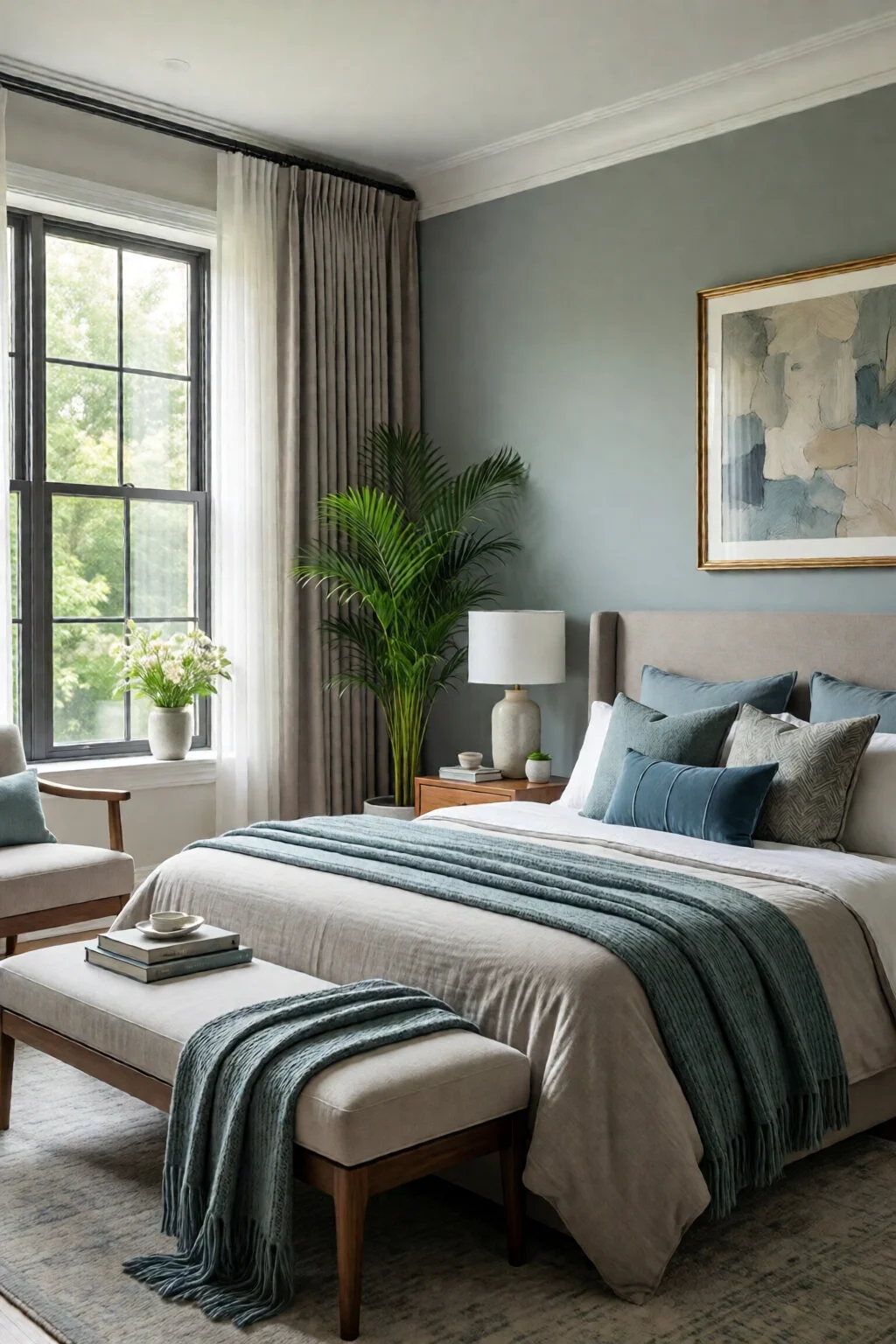
Understanding Color Psychology in the Bedroom
Warm vs. Cool Tones
Warm colors (soft yellows, muted terracotta) can feel inviting but may raise body temperature slightly, which isn’t ideal for sleep. Cool tones (blues, greens, gentle grays) trigger a physiological response that encourages relaxation. In my experience, a bedroom painted in a cool, low‑saturation hue can reduce perceived room temperature by up to 2°F, making the space feel cozier without cranking the thermostat.
Saturation & Lightness
Highly saturated colors can be energizing. For a truly restful atmosphere, aim for a saturation level under 30% and a lightness (L* value) between 70 and 85. This range reflects the “relaxing shades” most sleep experts recommend. A pastel sage at L* 78 feels airy yet soothing, whereas a deep navy at L* 45 feels dramatic but can be too stimulating before bed.
How Light Affects Perception
Natural light shifts paint color throughout the day. A shade that looks perfect in evening artificial light may appear washed out under morning sun. I always advise clients to observe a sample at three times: 9 am, 2 pm, and 8 pm. If the hue stays consistent, you’ve likely found a stable relaxing shade.
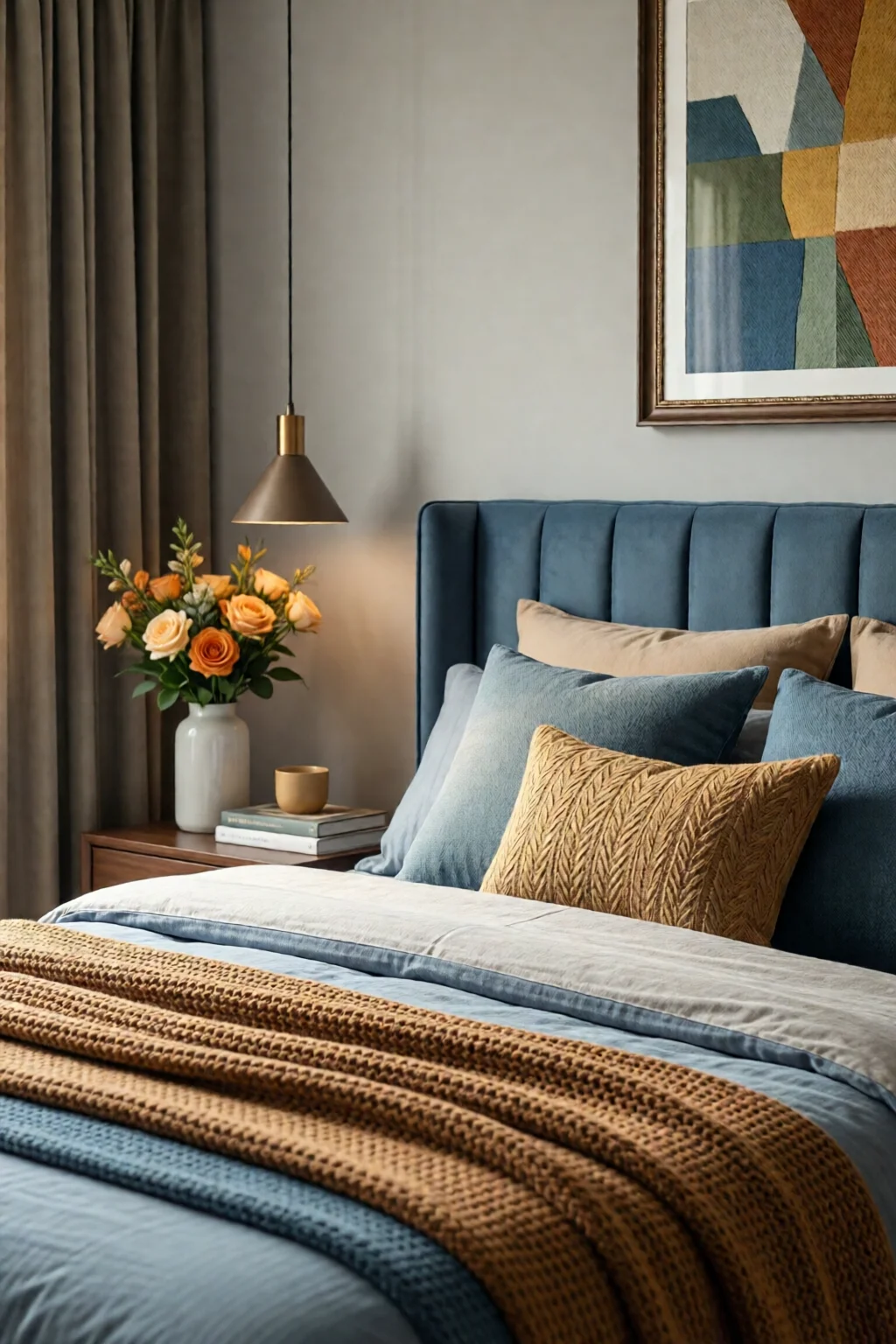
Top Relaxing Shades for Every Style
Soft Blues & Greens
Blue is the classic sleep‑inducing hue. Benjamin Moore’s Hale Navy (HC‑146) is a deep, muted blue with an LRV of 13, perfect for accent walls. For a lighter option, Sherwin‑Williams Sea Salt (SW 6204) offers a blue‑green whisper with an LRV of 63, costing about $42 per gallon. Pair with crisp white bedding for a coastal vibe.
Gentle Grays & Greiges
Gray has evolved from sterile to sophisticated. Behr’s Silver Drop (PPU5‑04) is a warm greige at LRV 55, retailing for $32 per gallon. It works beautifully with wood furniture and matte black fixtures. Add a plush charcoal rug for depth without breaking the calming flow.
Earthy Beiges & Warm Whites
If you crave a sun‑kissed feel, consider Benjamin Moore’s White Dove (OC‑17). With an LRV of 85, it reflects light, making small rooms feel larger—a crucial tip for small bedroom ideas for maximizing space. Pair with natural linen curtains and a woven jute rug for an organic sanctuary.
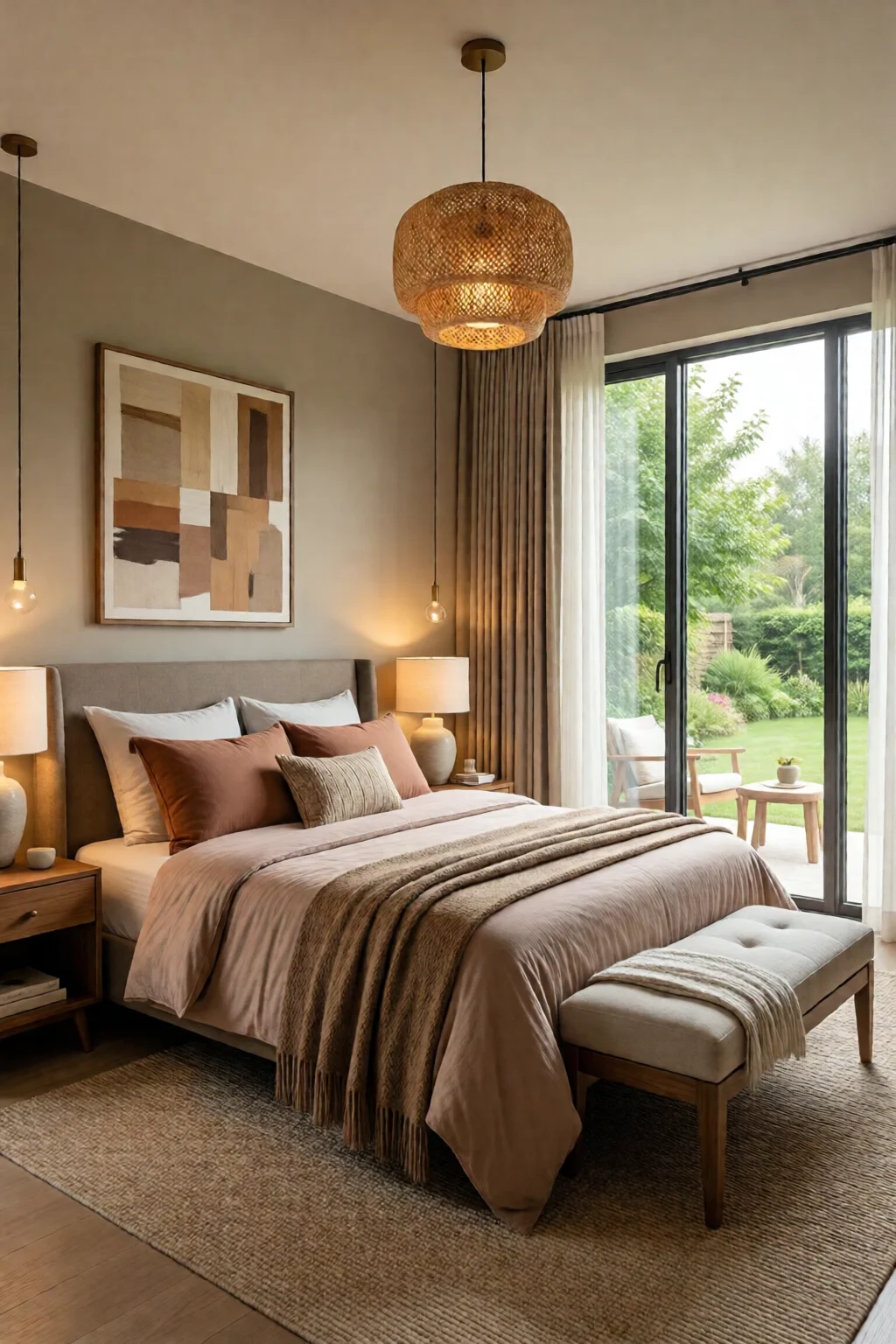
How to Choose the Right Shade for Your Space
Assessing Natural Light
Measure the window area in square feet. A room with more than 30 sq ft of glazing can handle a slightly deeper tone (LRV 50‑60) without feeling cave‑like. Conversely, a window‑less room benefits from high‑LRV paints (70‑80) to bounce artificial light.
Matching Furniture & Bedding
Take inventory of your existing pieces. If you own a dark walnut bed frame, a light pastel wall (e.g., Sea Salt) creates contrast. If your bedding is patterned with blues and greens, a neutral greige like Silver Drop lets the textiles shine without competing.
Testing Paint Samples
Buy 2 oz swatches from three brands—Benjamin Moore, Sherwin‑Williams, and Behr. Apply a 12‑inch square on the wall, label each, and live with it for 48 hours. Observe under daylight, incandescent, and LED bulbs. The shade that feels most “restful” after this test is your winner.
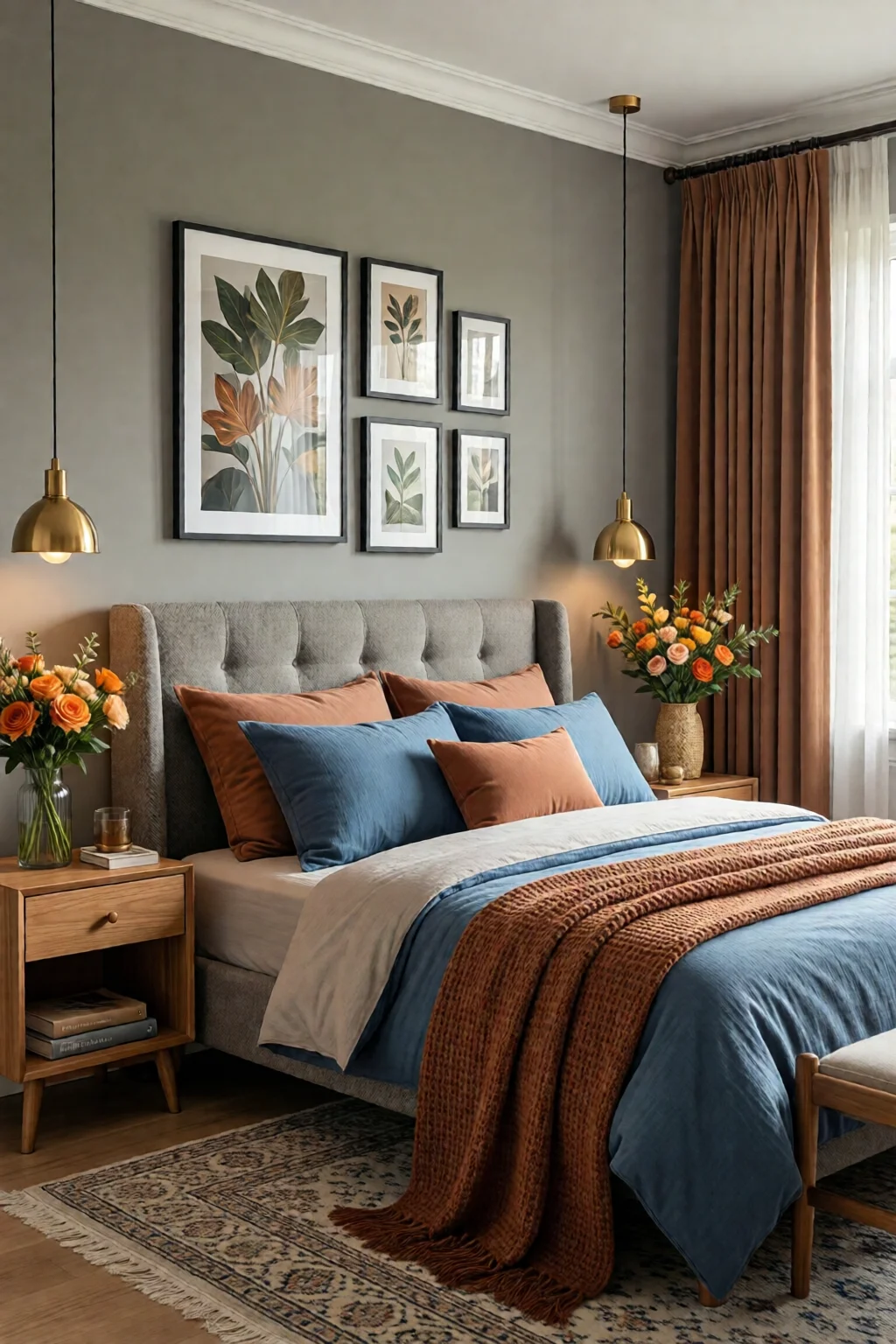
Paint Brands, Finishes, and Budgeting
Top Brands
- Benjamin Moore – Premium quality, average price $55/gal.
- Sherwin‑Williams – Widely available, price $42/gal.
- Behr – Budget‑friendly, price $32/gal.
Finish Types
For bedrooms, I recommend an eggshell or satin finish. Eggshell (0.5‑1 gloss) hides minor imperfections and is easy to clean (up to 10 washes per week). Satin (1‑2 gloss) offers a subtle sheen that reflects soft light, enhancing the relaxing ambiance.
Cost Breakdown
| Brand | Color Example | Price per Gallon | Coverage (sq ft) | Recommended Finish |
|---|---|---|---|---|
| Benjamin Moore | Hale Navy (HC‑146) | $55 | 350 | Eggshell |
| Sherwin‑Williams | Sea Salt (SW 6204) | $42 | 350 | Satin |
| Behr | Silver Drop (PPU5‑04) | $32 | 300 | Eggshell |
Decorating Around Your Chosen Color
Accent Walls & Trim
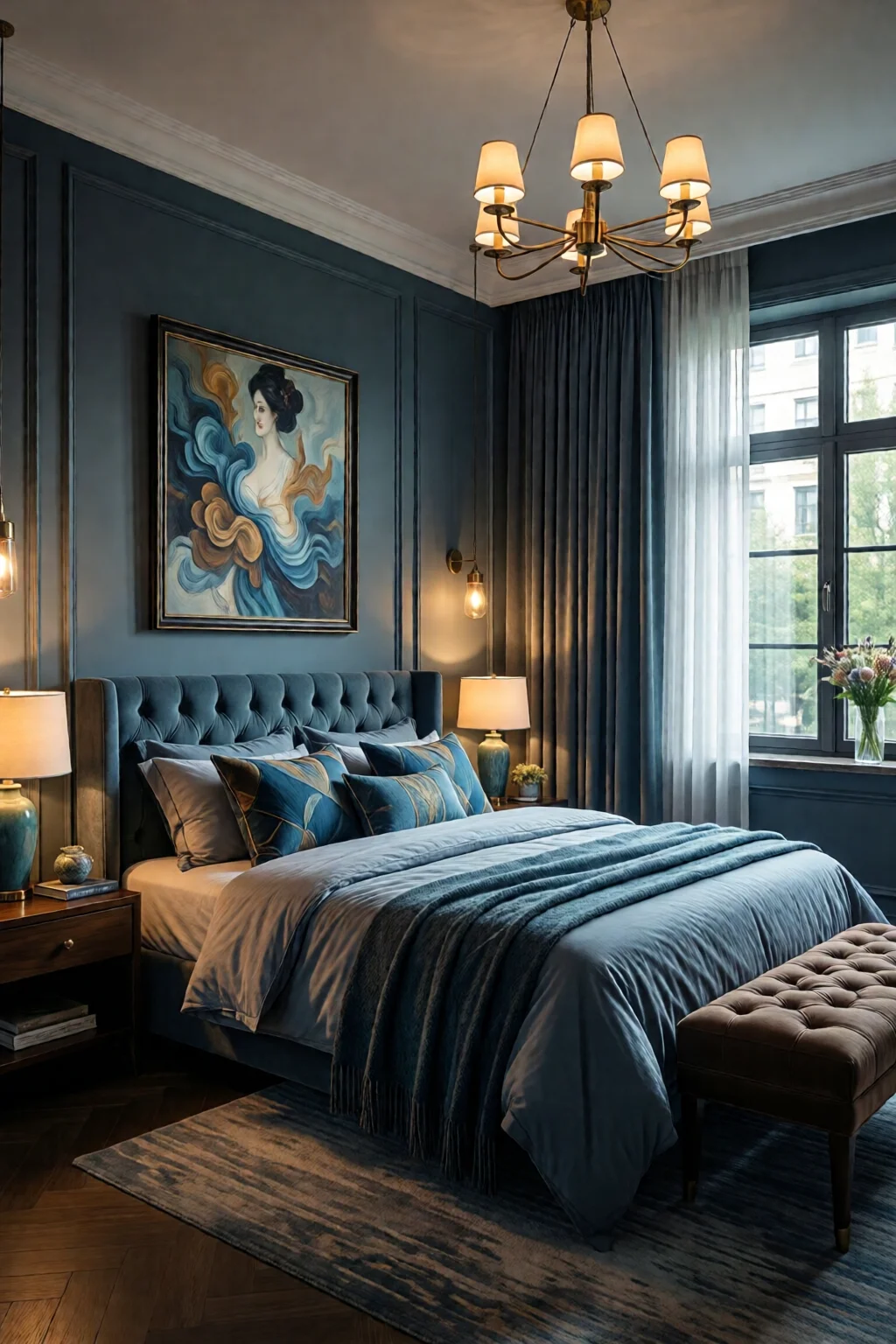
Use a deeper shade on one wall to create visual interest without overwhelming the space. A navy accent behind the headboard paired with White Dove walls adds depth while keeping the room airy. Paint trim in a crisp white (e.g., Benjamin Moore Simply White) to frame the color.
Textiles, Rugs, and Artwork
Incorporate textures that echo the hue palette. A plush teal duvet, a soft gray throw, and a natural sisal rug unite the relaxing shades. For art, choose prints with muted blues or abstract watercolors that mirror the wall color, reinforcing the calming vibe.
Lighting & Accessories
Install dimmable LED fixtures set to 2700 K for a warm glow. A bedside lamp with a frosted glass shade diffuses light, reducing harsh contrasts. Add a few scented candles in lavender or eucalyptus to engage the senses and complete the serene atmosphere.
Pro Tips from Our Experience
1. Layer Light, Not Color. Paint the walls in a single relaxing shade, then layer different lighting temperatures. This approach prevents color fatigue and keeps the room feeling fresh.
2. Use the 60‑30‑10 Rule. Allocate 60% of the room to your main relaxing shade, 30% to complementary neutrals, and 10% to accent colors (like a muted teal pillow). It creates balance without overcomplicating the palette.
3. Test with Your Mattress. Place a swatch next to the mattress. If the shade looks too “cold” against the bedding, shift to a warmer undertone. I’ve seen clients avoid a perfect‑on‑paper color simply because it clashed with their duvet.
4. Consider Ceiling Color. A very light pastel on the ceiling can lift the space, especially in low‑ceiling rooms. A whisper of Sea Salt on the ceiling pairs beautifully with deeper wall hues.
5. Keep It Cohesive With Adjacent Rooms. If your bedroom opens to a bathroom painted in a soft gray, echo that gray in a subtle accent wall or trim to maintain flow. Check out minimalist bedroom design clean simple for seamless transitions.
Conclusion: Your Actionable Takeaway
Choosing “bedroom color ideas relaxing shades” is a blend of science, style, and personal preference. Start by measuring light, select a cool, low‑saturation hue from a reputable brand, test samples, and commit to an eggshell or satin finish. Then, layer textiles, lighting, and accessories that echo the palette. In under a weekend and for roughly $150–$250 (including paint and basic accessories), you can transform any bedroom into a calming sanctuary that supports better sleep and a clearer mind.
What LRV should I look for in a relaxing bedroom paint?
Aim for an LRV between 50 and 80. Lower values (under 50) can feel too dark, while higher values (above 85) may feel too bright for a restful environment.
Can I use the same relaxing shade in a small bedroom?
Yes. Choose a higher‑LRV version of the hue (70‑80) to reflect more light, making the space feel larger. Pair with light‑colored trim to enhance openness.
How many coats of paint are needed for a calm finish?
Typically two coats. The first establishes base coverage; the second ensures even color depth and durability, especially important for high‑traffic bedrooms.
Should I choose matte or satin finish for a bedroom?
Satin is ideal for bedrooms because it offers a subtle sheen that reflects soft light while being easy to clean. Matte can work if you prefer a completely flat look, but it shows scuffs more readily.