Choosing the perfect rug can transform a bedroom from ordinary to unforgettable, and the right placement is the secret sauce that makes it all work. Whether you’re layering a plush 9‑x‑12 in a master suite or slipping a modest 5‑x‑7 under a twin, the decisions you make about size and positioning affect comfort, proportion, and visual flow. Below is a step‑by‑step guide packed with bedroom rug placement ideas and sizes that actually work in real homes.
In This Article
In my ten‑plus years of interior design, I’ve seen a common mistake: buying a rug that looks great on the showroom floor but feels cramped or lost once it’s in the room. The good news? With a few measurements, a bit of style intuition, and the right product knowledge, you can avoid that pitfall every time. Let’s dive in.
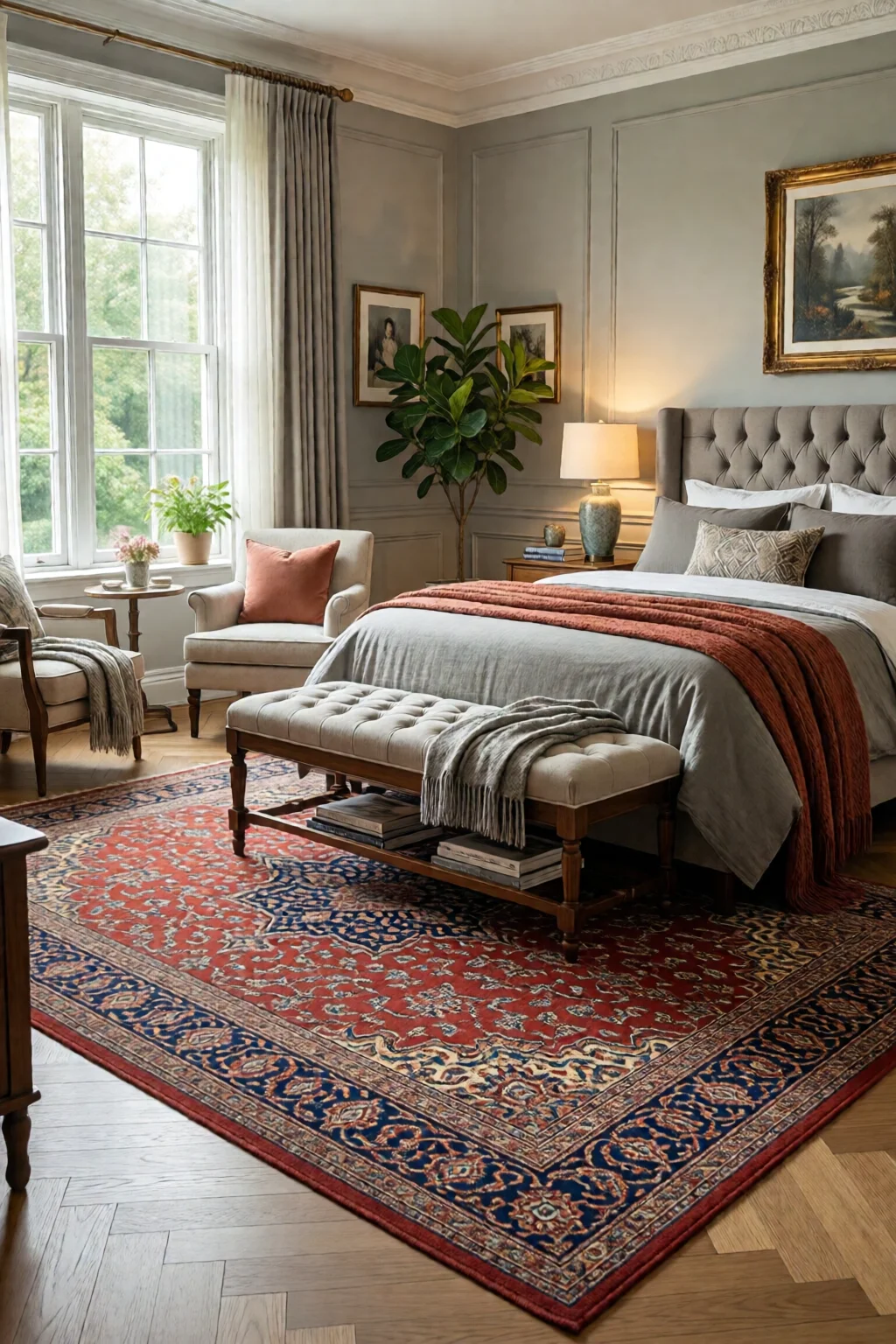
Understanding Rug Basics Before You Buy
Measuring the Space
Start with a tape measure and a sketch. Write down the length and width of the floor area you want to cover. For a symmetrical look, subtract 24‑30 inches from each side of the room to determine the ideal rug dimensions. Example: a 12‑ft × 14‑ft master bedroom yields a recommended rug size of about 9‑ft × 11‑ft.
Choosing the Right Shape
Rectangular rooms usually call for rectangular rugs, but a round rug can soften a rectangular layout and create a focal point above a nightstand. I’ve placed a 5‑ft round Ruggable “Floral Pop” (≈ $199) in a 10‑ft × 10‑ft bedroom to add a subtle curve without overwhelming the space.
Material & Pile Considerations
High‑traffic bedrooms benefit from low‑pile polypropylene (e.g., Safavieh’s “Madison” 8‑x‑10 for $149) because it’s easy to clean and resists crushing. For a luxurious feel under bare feet, go for a high‑pile wool or shag (West Elm’s “Myrtle” 9‑x‑12, $299). Remember: thicker rugs need a sturdy pad—usually ¼‑inch thick, costing $30‑$70.
Classic Placement Strategies
All‑Under‑Bed Layout
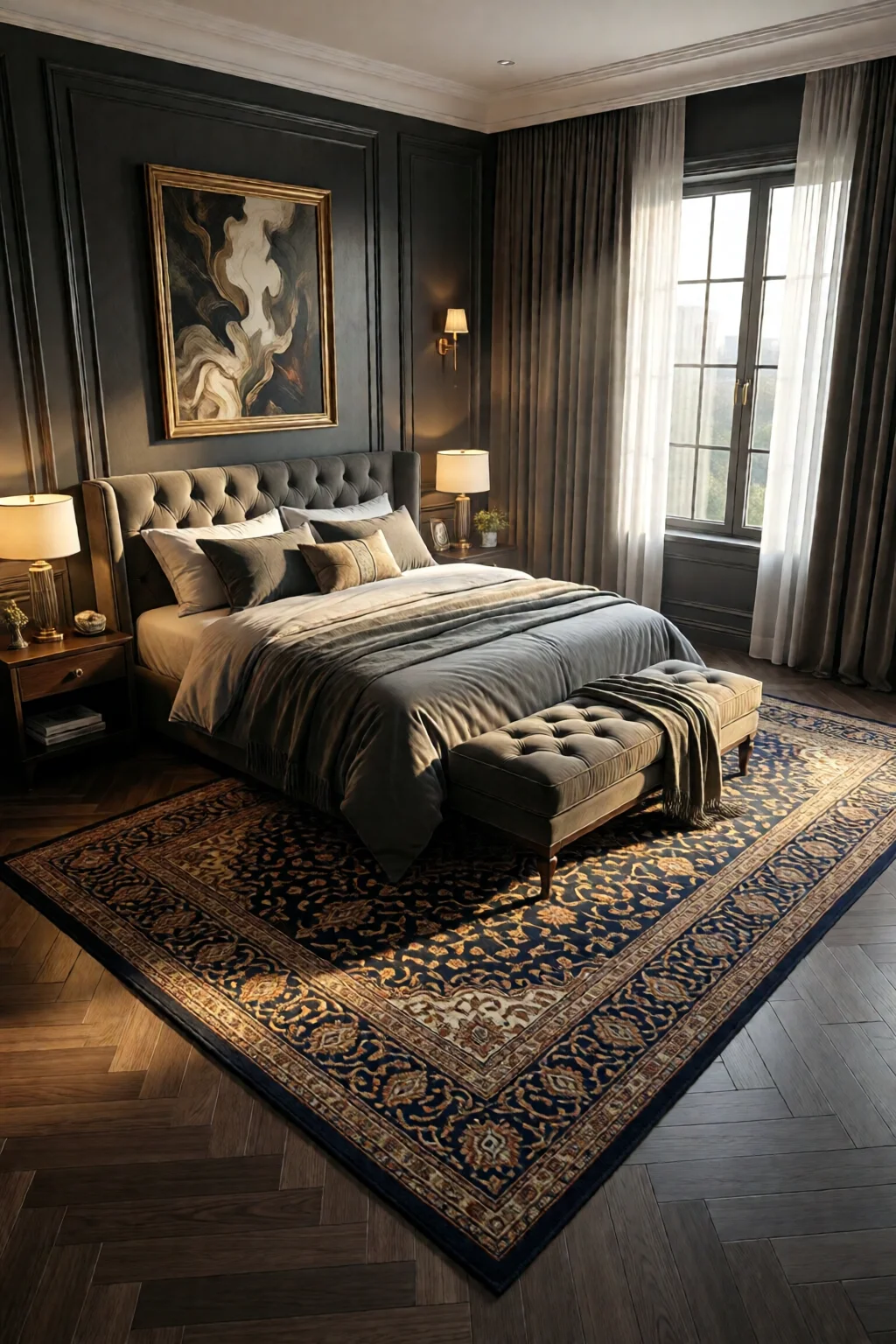
This is the most common approach for master suites. The rug should extend at least 18‑24 inches beyond the footboard on all sides. A 9‑x‑12 rug under a queen bed (60” × 80”) creates a balanced border while still showing the floor at the bedside. I’ve used a Wayfair “Andover Mills” rug (9‑x‑12, $159) in several clients’ homes with great results.
Footboard Framing
Place the rug so its front edge aligns with the footboard, leaving the sides exposed. This works well for platform beds with minimal side clearance. A 6‑x‑9 rug under a king‑size bed (76” × 80”) leaves a 12‑inch gap on each side, framing the bed nicely. Pair with a coordinating throw to pull the look together.
Twin Bed Duo
When two twin beds share a room, a single large rug (8‑x‑10 or 9‑x‑12) can anchor both. Position the rug so each bed’s nightstand sits on the rug, but the beds themselves remain on the floor. This arrangement adds cohesion without sacrificing individual space. I often recommend IKEA “LOHALS” flat‑woven rug (5‑x‑7, $69) for budget‑friendly projects.
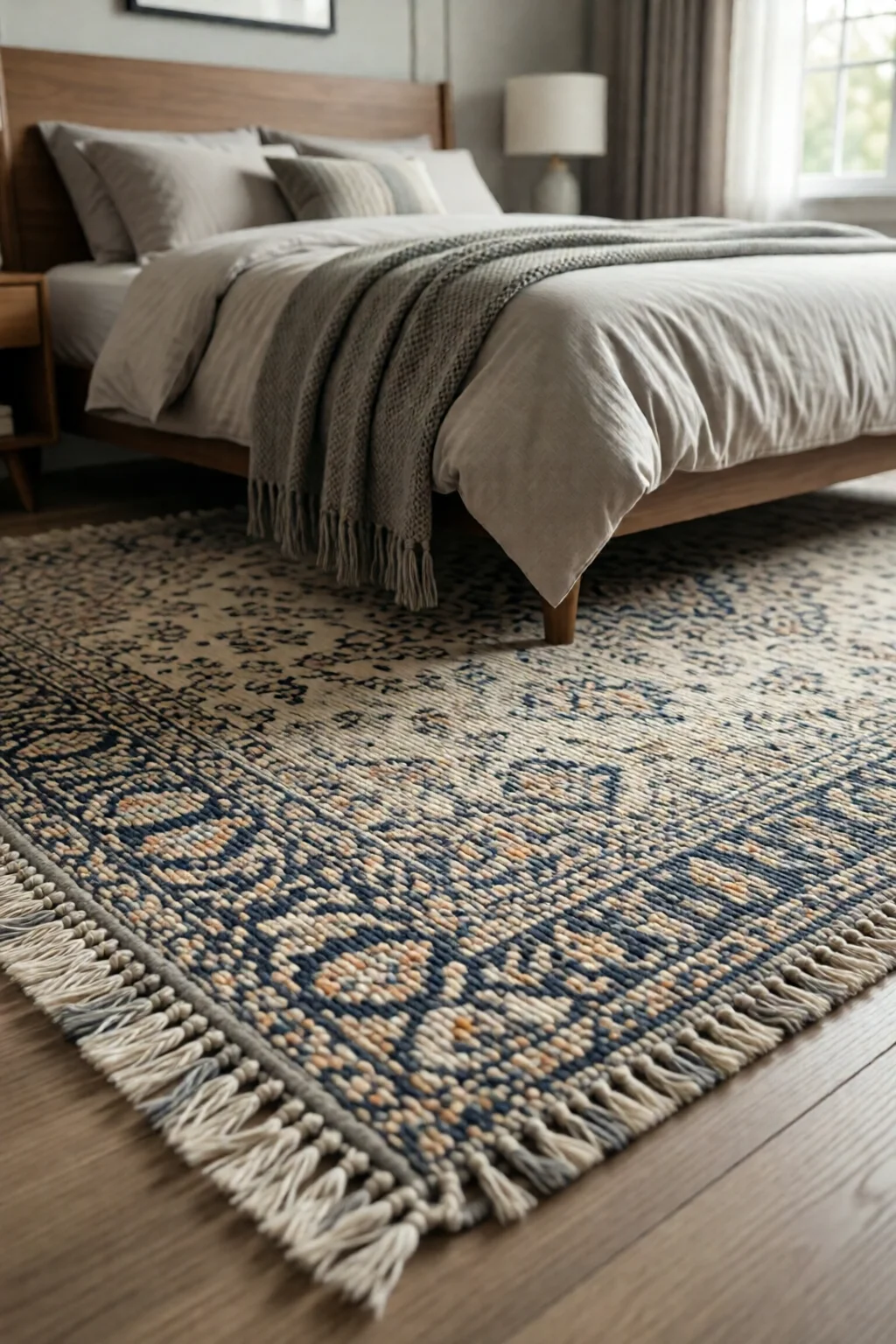
Size Guides for Different Bedroom Types
Master Bedroom
Typical dimensions: 12‑ft × 14‑ft or larger. Recommended rug sizes:
- 9‑x‑12 for a queen bed
- 10‑x‑14 for a king bed
- 12‑x‑15 for a suite with sitting area
Tip: Use a rug pad that’s ¼‑inch thick to prevent slipping and add insulation.
Guest Bedroom
Often 10‑ft × 12‑ft. A 6‑x‑9 rug works well under a full‑size bed, leaving a 12‑inch border on the sides. If the room includes a small desk, a 5‑x‑8 rug placed under the desk can define a work zone.
Small Bedroom (Under 10‑ft)
Space is at a premium, so the rug should not dominate. A 5‑x‑7 or 6‑x‑8 rug placed under the bed’s front two-thirds is ideal. For a twin, a 3‑x‑5 rug can sit under the nightstand only. The small bedroom ideas for maximizing space article recommends using a low‑profile rug to keep the room feeling airy.
Kids’ Bedroom
Durability matters. Choose a washable rug like Ruggable’s “Playful Polka” (5‑x‑8, $179). Place it under the bed and a reading nook to protect the floor from spills and foot traffic.
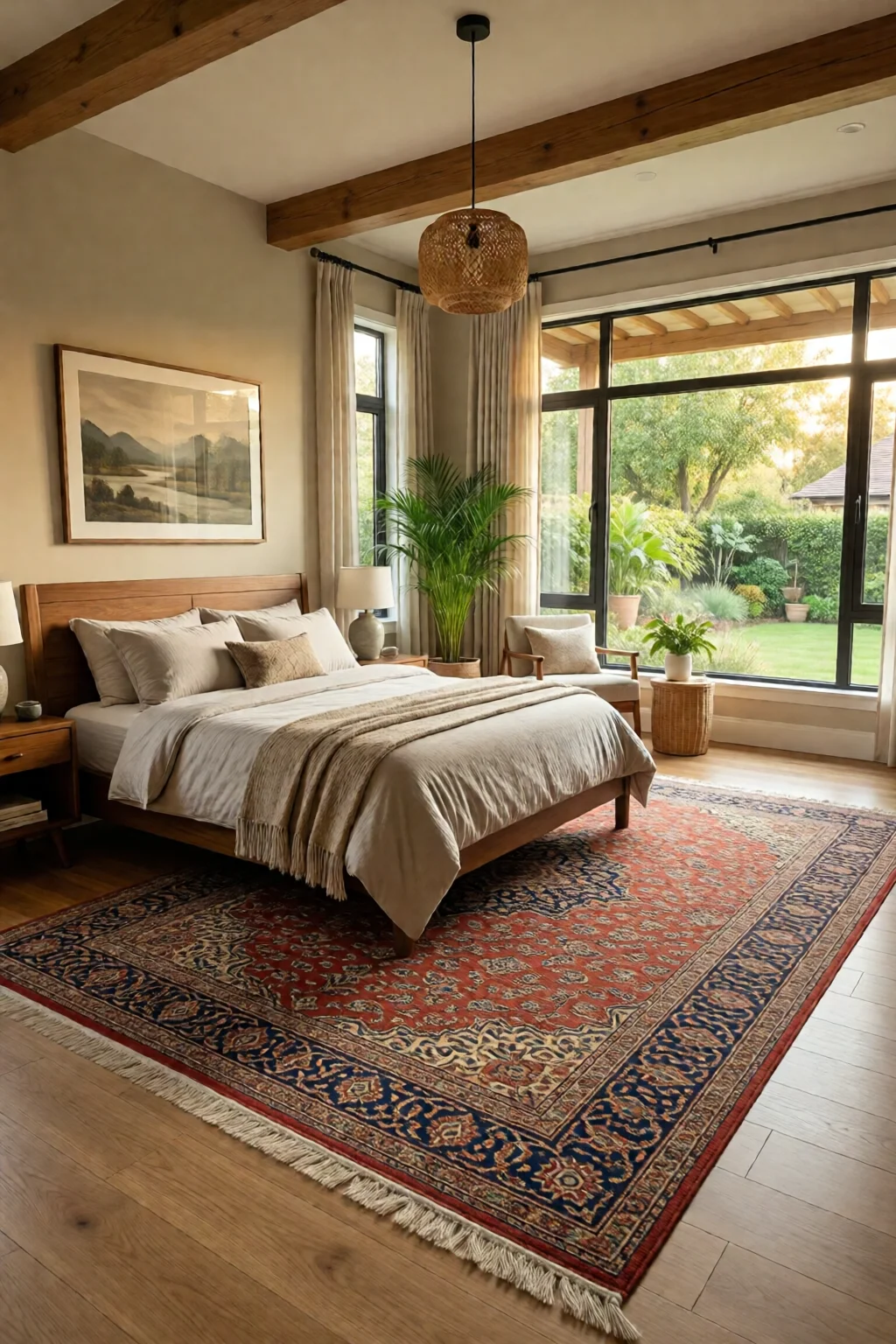
Styling Tips for Cohesion
Color Coordination
Match the rug’s dominant hue with a secondary color in your bedding or wall art. For a navy accent wall, a muted gray rug (e.g., Pottery Barn “Sage” 9‑x‑12, $259) adds depth without clashing. Use a color wheel: complementary colors (blue/orange) create visual interest, while analogous tones (blue/teal) feel harmonious.
Layering with Throws & Pillows
Layer a lightweight throw over the rug’s front edge to tie the textile palette together. I’ve placed a 60‑in × 80‑in cotton‑linen throw (≈ $45) on a 9‑x‑12 rug in a master suite; it adds texture and makes the rug feel like an extension of the bed.
Defining Zones
In larger rooms, use multiple rugs to separate functional areas—one for the sleeping zone, another for a seating nook. A 5‑x‑7 rug under an armchair paired with a 9‑x‑12 rug under the bed creates clear visual boundaries without walls.
Pro Tips from Our Experience
- Always use a rug pad. It extends the life of the rug by up to 30% and prevents slipping. A Eddie Bauer 100% felt pad (5‑x‑7, $39) is a reliable choice.
- Test the rug in the room. Lay it out on the floor for 24 hours before committing. Light shifts can change how the color appears.
- Consider traffic patterns. Place the rug where you step out of bed first; this is the most used area and should feel softest.
- Mind the rug’s edge. A visible border (2‑4 in) between rug and wall feels intentional. If you want a seamless look, choose a rug that reaches the wall.
- Budget hack: Purchase a larger rug and cut it to size with a utility knife (only with flat‑woven or low‑pile rugs). This can save up to 40% compared to buying a custom size.
Rug Size vs. Room Dimension Comparison
| Room Size (ft) | Bed Size | Recommended Rug Size | Typical Price Range (USD) |
|---|---|---|---|
| 10 × 12 | Full | 5‑x‑8 or 6‑x‑9 | $80‑$180 |
| 12 × 14 | Queen | 8‑x‑10 or 9‑x‑12 | $120‑$300 |
| 12 × 15 | King | 9‑x‑14 or 10‑x‑15 | $150‑$350 |
| 8 × 10 (Twin) | Twin | 5‑x‑7 | $60‑$130 |
| 9 × 11 (Small Master) | Queen | 6‑x‑9 (front two‑thirds) | $100‑$220 |
Frequently Asked Questions
How much of the floor should be visible around the rug?
A 12‑24‑inch border on each side creates a balanced look. In smaller rooms, a 6‑12‑inch border works better to keep the space feeling airy.
Can I use a rug under a platform bed without legs?
Yes, but choose a low‑pile rug and a thin pad to avoid a “trip hazard.” A ½‑inch felt pad works well.
What rug material is best for a bedroom with a pet?
Polypropylene or indoor‑outdoor synthetic fibers (e.g., Safavieh “Mika” 8‑x‑10 for $149) resist stains and are easy to clean.
Should I match the rug color to my wall or my bedding?
Both approaches work. If your walls are neutral, let the rug echo a color from your bedding. If the bedding is patterned, a solid rug that picks up a secondary hue from the room creates harmony.
Is it okay to layer two rugs in a bedroom?
Absolutely. Layer a smaller accent rug (e.g., a 4‑x‑6 vintage runner) on top of a larger neutral base rug to add texture and visual interest.
Conclusion – Your Next Step
Armed with these bedroom rug placement ideas and sizes, you can confidently choose a rug that feels right underfoot, frames your furniture, and elevates the room’s style. Measure, pick a size that leaves a 12‑inch border (or less for tiny spaces), use a quality pad, and let color and texture guide your final touches. In my experience, the rooms that feel most cohesive are the ones where the rug is treated as a foundational element—not an afterthought.
Ready to shop? Check out West Elm’s “Myrtle” (9‑x‑12, $299) for a plush option, Safavieh’s “Madison” (8‑x‑10, $149) for budget‑friendly durability, and Ruggable’s washable series for families with kids or pets. Remember: the perfect rug will make you look forward to stepping out of bed each morning.