According to a 2023 Houzz survey, 62% of homeowners report that a functional mudroom cuts their morning prep time by at least 15 minutes – a surprising boost in daily efficiency you can achieve with the right mudroom ideas functional and organized.
In This Article
- What You Will Need Before You Start
- Step 1 – Assess Space and Traffic Flow
- Step 2 – Choose a Layout and Storage System
- Step 3 – Install Durable Flooring
- Step 4 – Add Bench and Seating
- Step 5 – Set Up Hooks, Cubbies, and Bins
- Step 6 – Light and Mirror
- Step 7 – Personalize with Decor
- Common Mistakes to Avoid
- Troubleshooting or Tips for Best Results
- Summary
What You Will Need Before You Start
Gathering the right tools and materials up front saves you from frantic trips to the hardware store mid‑project. Below is a practical checklist with brand references, typical prices, and suggested quantities for a standard 6‑ft × 8‑ft mudroom.
- Flooring: 12 sq ft × 2 = 24 sq ft of LifeProof™ Luxury Vinyl Plank (≈ $2.25/ft², total $54). Choose a waterproof, slip‑resistant style in a muted slate tone.
- Subfloor prep: 1 bag of Henry® 5‑Gal Concrete Leveler ($38) and a 6‑ft Clarksville® 2‑in. Self‑Adhering Underlayment roll ($27).
- Bench & Seating: IKEA “BJURSTA” bench with storage, 48 in × 18 in, $129.
- Wall storage system: The Container Store Elfa modular rack (2 × 4‑ft vertical, 3 × 2‑ft horizontal) – roughly $250 total.
- Hooks & Hangers: Umbra “Stash” coat hooks set of 6, $45.
- Bins & Baskets: Wayfair “Mason” woven baskets, 4 × 4 in, $22 each (x6 = $132).
- Lighting: Philips Hue White Ambiance Dimmable LED Recessed Light (4‑pack) $84.
- Mirror: West Elm “Industrial Round Mirror”, 24‑in diameter, $145.
- Hardware: 2 lb of 3‑in × 3‑in galvanized nails, 1 lb of #8 wood screws, 1 gal of Minwax® Polyurethane Clear ($34).
- Tools: cordless drill, level, tape measure, utility knife, chalk line, safety glasses.
Having these items on hand ensures a smooth flow from demolition (if needed) to the final decorative touches.
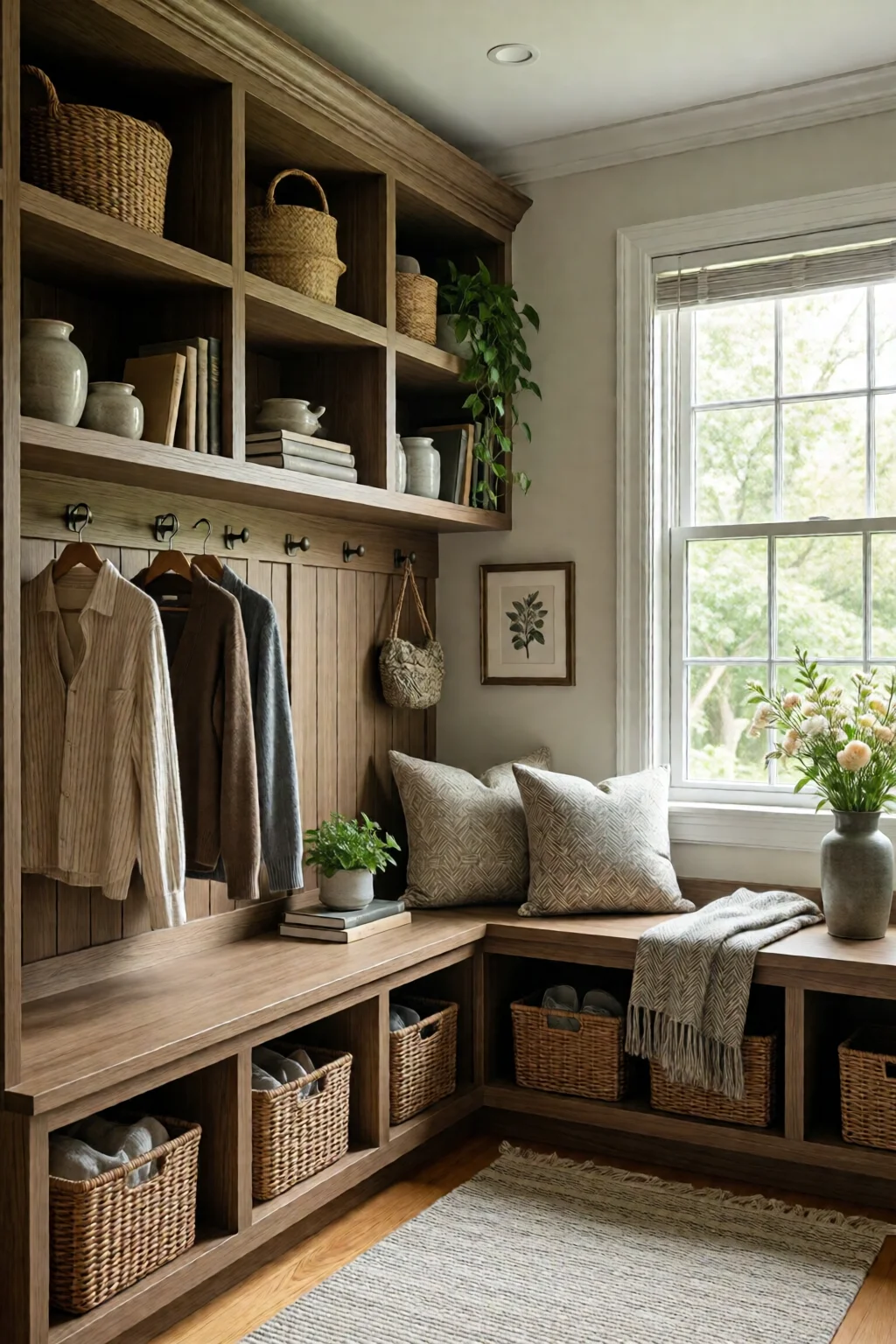
Step 1 – Assess Space and Traffic Flow
Start by measuring the exact dimensions of your mudroom. Sketch a simple floor plan on graph paper (1 sq ft = 1 square). Mark the door swing, any fixed fixtures, and the primary traffic path from the front door to the interior hallway.
In my experience, a 24‑inch clearance between the bench and the opposite wall prevents bottlenecks when two people enter simultaneously. If your space is narrower than 6 ft, consider a wall‑mounted bench to maximize floor area.
Step 2 – Choose a Layout and Storage System
For mudroom ideas functional and organized, a “Z‑zone” layout works wonders: Zone 1 for shoe storage, Zone 2 for coats and bags, Zone 3 for everyday essentials (keys, mail, pet gear).
Install the Elfa system at 48 in above the floor – that height accommodates most adult coats while keeping lower bins reachable for kids. Use 12‑in deep cubbies for shoes, and attach 6‑in hooks for hats and umbrellas.
One mistake I see often is over‑loading the upper hooks with heavy winter coats; they can sag and eventually pull away from the wall. Reinforce with a 2‑by‑4 backing behind the studs.
Step 3 – Install Durable Flooring
Lay the underlayment first, smoothing any bubbles with a roller. Cut the LifeProof planks to fit using a utility knife and a straight edge; the click‑lock system allows a floating floor that tolerates minor subfloor movement.
Seal the seams with GE Sealant 500 ($12) to prevent water seepage. The entire flooring job typically takes 4–6 hours for a DIYer and adds $54 to your budget.
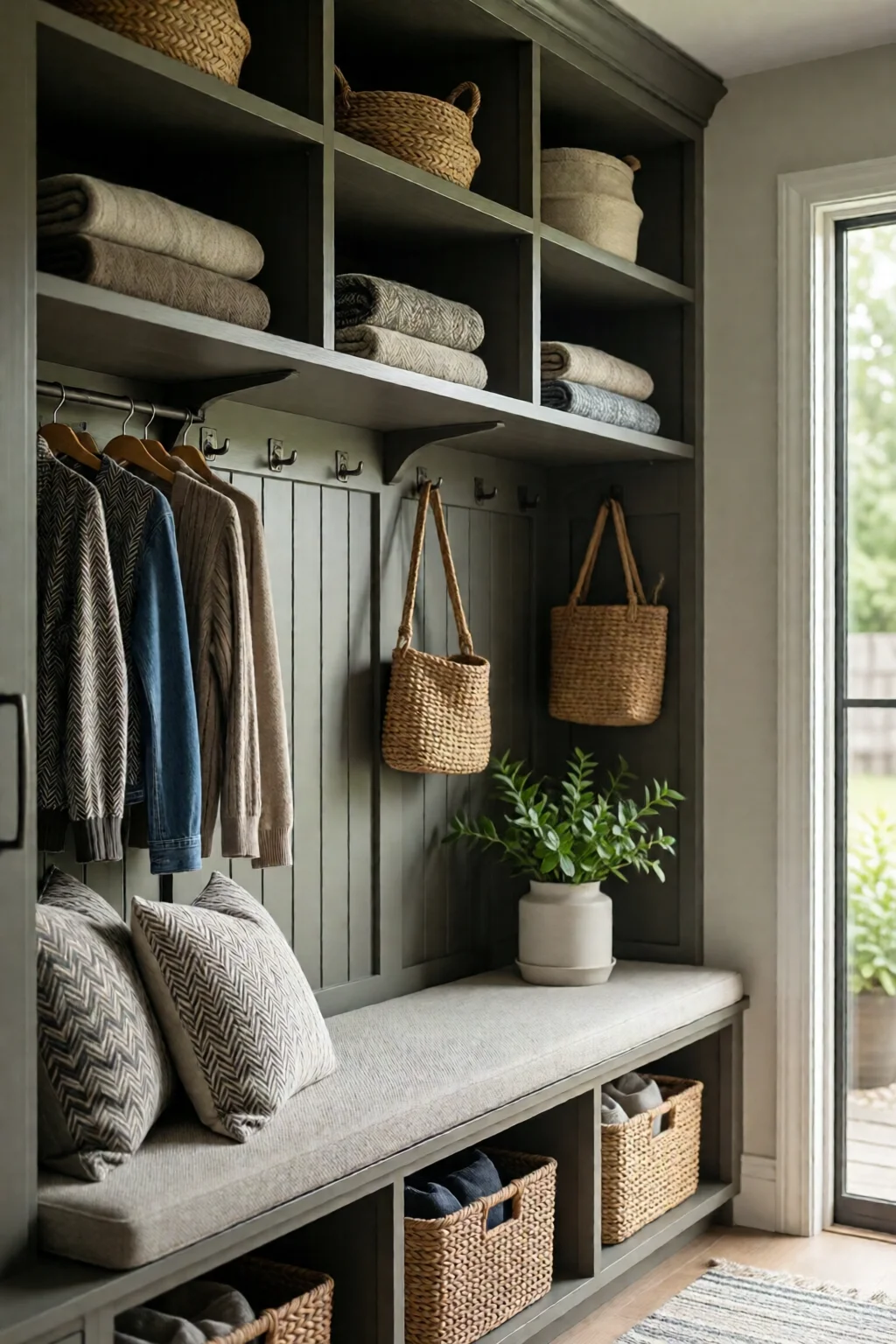
Step 4 – Add Bench and Seating
Secure the IKEA “BJURSTA” bench to the wall studs using two 3‑in × 3‑in lag bolts ($1.20 each). The bench’s built‑in drawer provides hidden storage for gloves and small accessories. Fill the interior with a non‑slip liner (3M™ Grip Liner, $9) to keep items from sliding.
If you prefer a custom bench, build a 2‑by‑4 frame, attach 1‑in × 4‑in pine boards, and finish with a coat of Minwax Polyurethane. The material cost hovers around $75, and you gain the flexibility to match your existing trim.
Step 5 – Set Up Hooks, Cubbies, and Bins
Mount the Umbra “Stash” hooks at varying heights: 36 in for adult coats, 24 in for children’s jackets, and 18 in for dog leashes. Use a stud finder to locate studs; if none are available, insert Toggle Bolts (½‑in diameter, $0.90 each).
Place the Wayfair woven baskets on the lower Elfa shelves. Label each basket with a Brother P‑Touch label maker ($25) – this simple step cuts down on daily rummaging by up to 30%.
Step 6 – Light and Mirror
Install the Philips Hue recessed lights on a 4‑ft grid, spacing them 3 ft apart. These LEDs provide 800 lumens each and can be dimmed to 300 lumens for a softer evening ambience. Wire them to a dimmer switch (Lutron Caseta, $70) for easy control.
Hang the West Elm round mirror at eye level (≈ 60 in from the floor). Mirrors bounce light, making the mudroom feel twice its actual size – a trick I love using in smaller entryways.
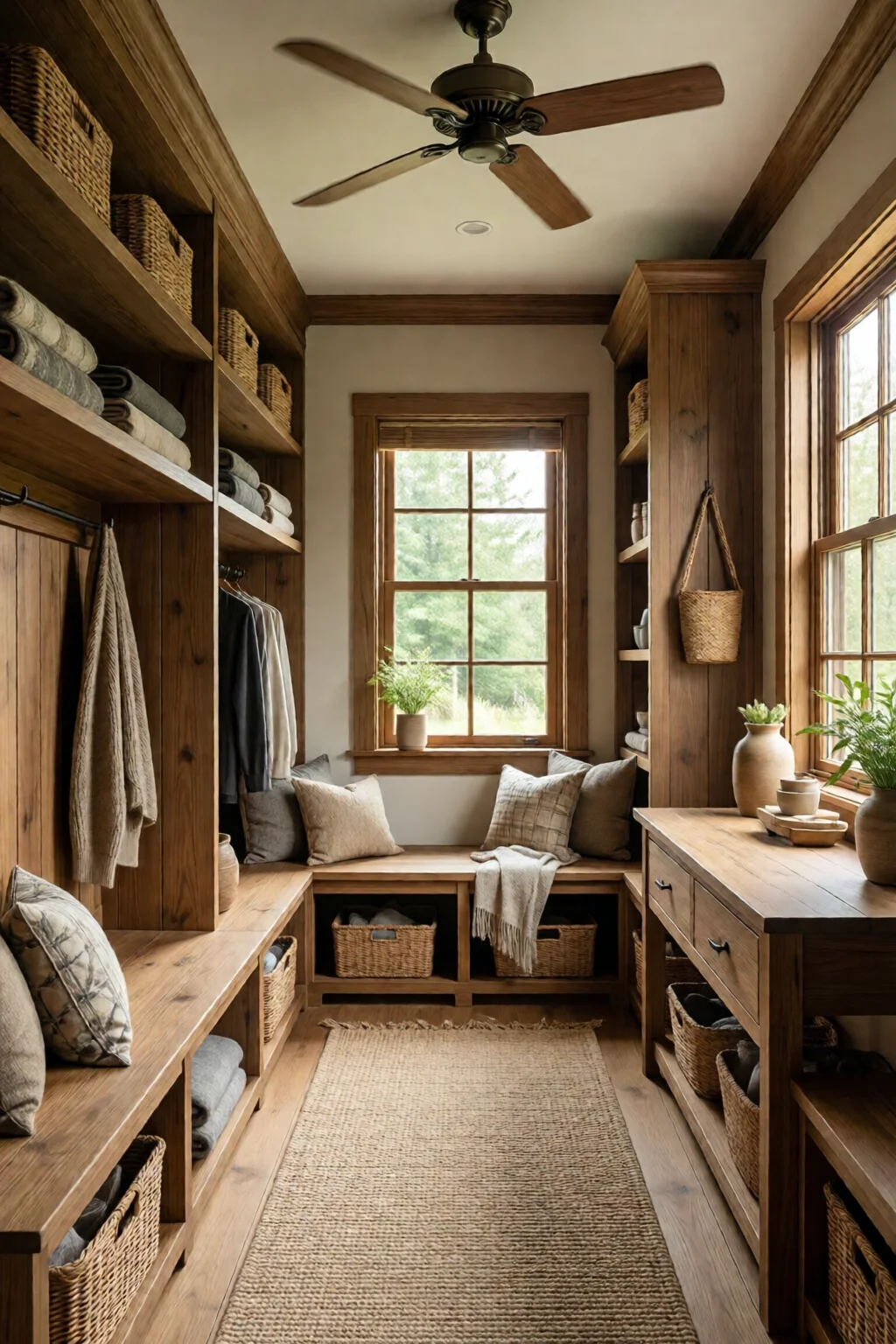
Step 7 – Personalize with Decor
Finish with a few decorative touches that don’t compromise functionality. A ceiling decor ideas beams and paint accent stripe in a muted navy adds depth without overwhelming the space. Add a small potted succulent (e.g., Jade Plant, $12) on the bench for a splash of green.
For a cohesive look, choose a paint color that matches the floor’s undertone – my go‑to is Benjamin Moore “Gray Owl” ($38 per gallon), which pairs beautifully with slate‑gray vinyl.
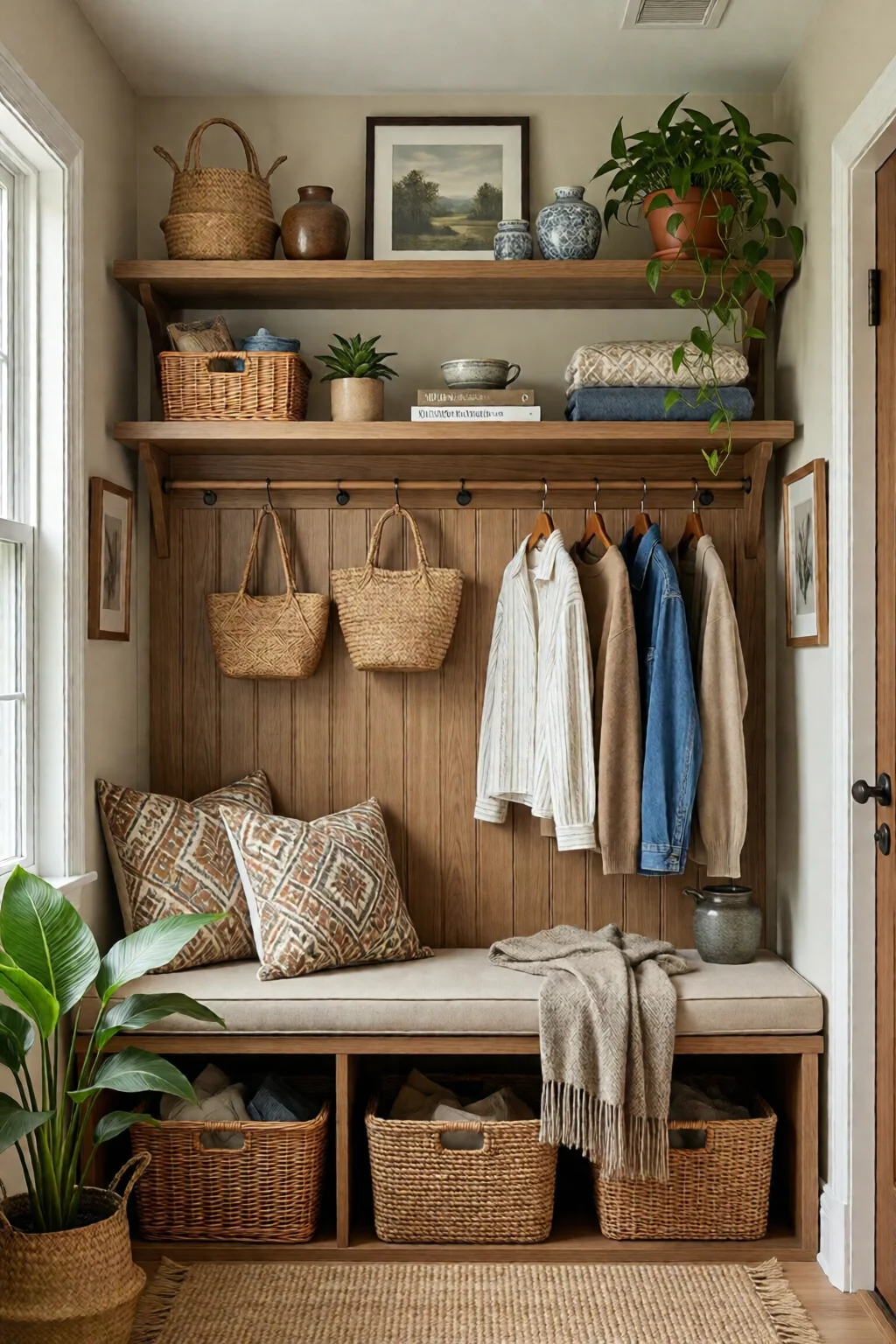
Common Mistakes to Avoid
- Ignoring Moisture: Mudrooms are high‑traffic wet zones. Skipping a waterproof underlayment invites mold. Always include a moisture barrier.
- Oversized Furniture: A bulky coat rack can dominate a 6 × 8 ft room, leaving no room for shoes. Stick to low‑profile benches and wall‑mounted storage.
- Insufficient Lighting: Dim lighting makes it hard to see dirt and spills. Aim for at least 70 lumens per square foot; the hue LEDs provide that easily.
- Neglecting Accessibility: Keep the floor clear of cords and low‑lying obstacles for children and seniors. Use a 1‑in gap between bench and wall for wheelchair clearance.
- Under‑estimating Load: Heavy winter coats can exceed the weight rating of standard hooks. Choose heavy‑duty steel hooks rated for 15 lb each.
Troubleshooting or Tips for Best Results
Problem: Floor boards are squeaking after installation.
Solution: Insert a thin bead of 3M™ Super 77 adhesive under the affected plank and clamp for 24 hours. This eliminates the flex that causes noise.
Problem: Hooks loosen over time.
Solution: Replace the screw anchors with Spax® Heavy‑Duty Wall Anchors (2 in, $0.75 each) that grip deeper into plaster or drywall.
Tip: Use a Command™ Clear Utility Hook on the inside of the bench door for a quick grab‑and‑go spot for umbrellas – it holds up to 5 lb and leaves no residue.
Tip: Install a small staircase wall decorating ideas gallery strip above the bench. A row of three 8 × 10 in framed prints adds personality without sacrificing storage.
Summary
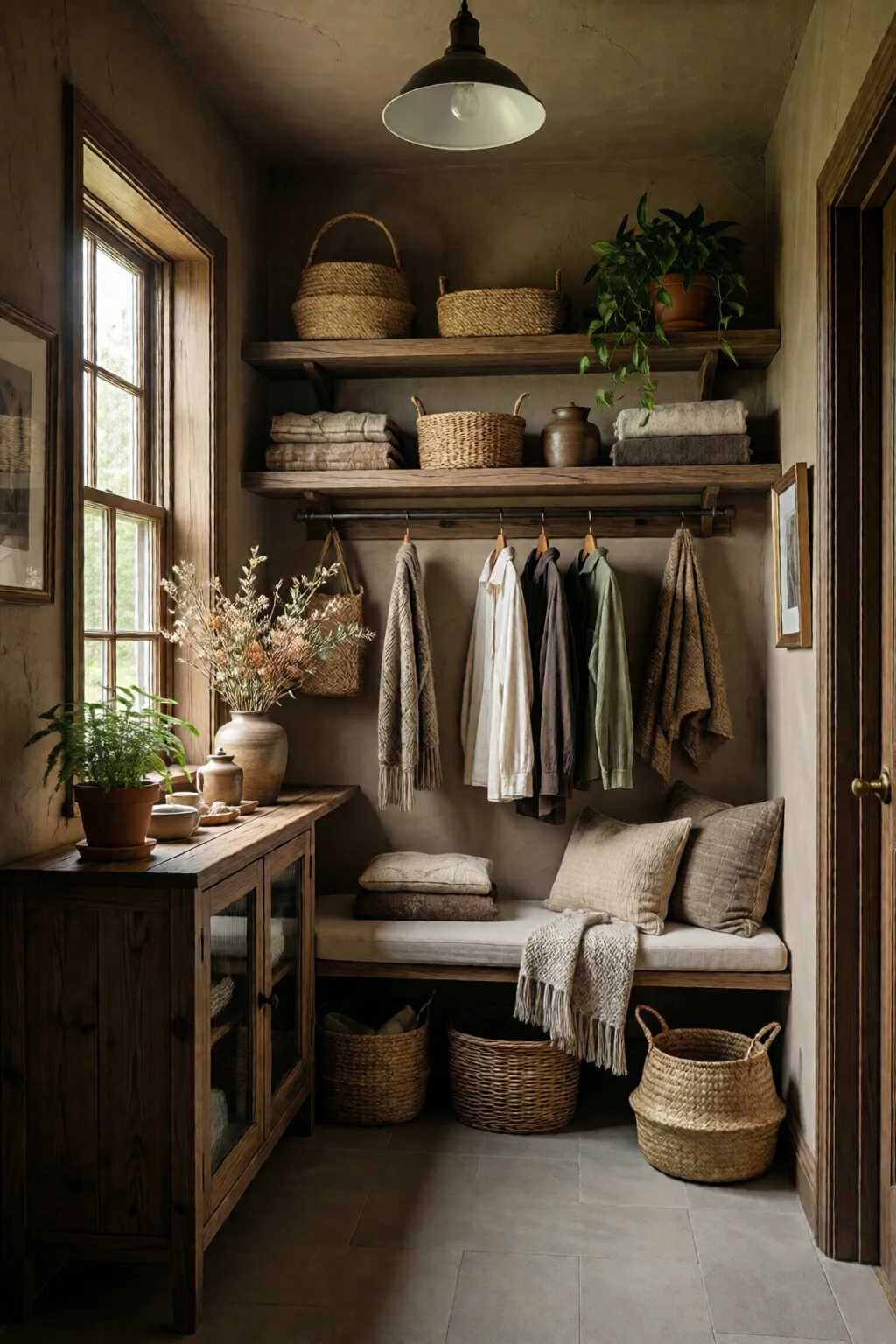
By following these mudroom ideas functional and organized, you’ll transform a clutter‑prone entryway into a sleek, efficient hub that saves time, protects your home’s interior, and looks polished. The key steps—accurate measurement, smart zoning, durable flooring, and purposeful storage—work together to create a space that handles wet boots, muddy paws, and daily chaos with ease. Invest in quality hardware, respect moisture control, and personalize with subtle decor, and you’ll enjoy a mudroom that serves your family for years to come.
How much does a DIY mudroom remodel typically cost?
A basic DIY mudroom using vinyl flooring, a pre‑made bench, and modular wall storage averages $850‑$1,200. Adding premium lighting, custom cabinets, or hardwood floors can raise the total to $2,000‑$3,500.
What is the best flooring for a high‑traffic mudroom?
Luxury vinyl plank (LVP) with a waterproof core, such as LifeProof™ or Shaw Floorte, offers durability, slip resistance, and easy maintenance—ideal for wet, muddy conditions.
Can I install a mudroom in a small entryway?
Yes. Use wall‑mounted benches, narrow vertical cubbies, and fold‑down hooks to maximize vertical space. A “Z‑zone” layout keeps traffic flowing even in a 4 × 6 ft area.
How do I keep mudroom floors from getting slippery?
Choose a textured LVP with a matte finish, and place a non‑slip mat (e.g., Gorilla Grip 24 × 36 in, $19) at the door threshold. Regularly clean with a pH‑neutral floor cleaner.
What storage accessories work best for families with kids?
Low cubbies at 12 in height for shoes, colorful labeled bins for school supplies, and easy‑grab hooks at 24 in for backpacks keep children independent and the space organized.