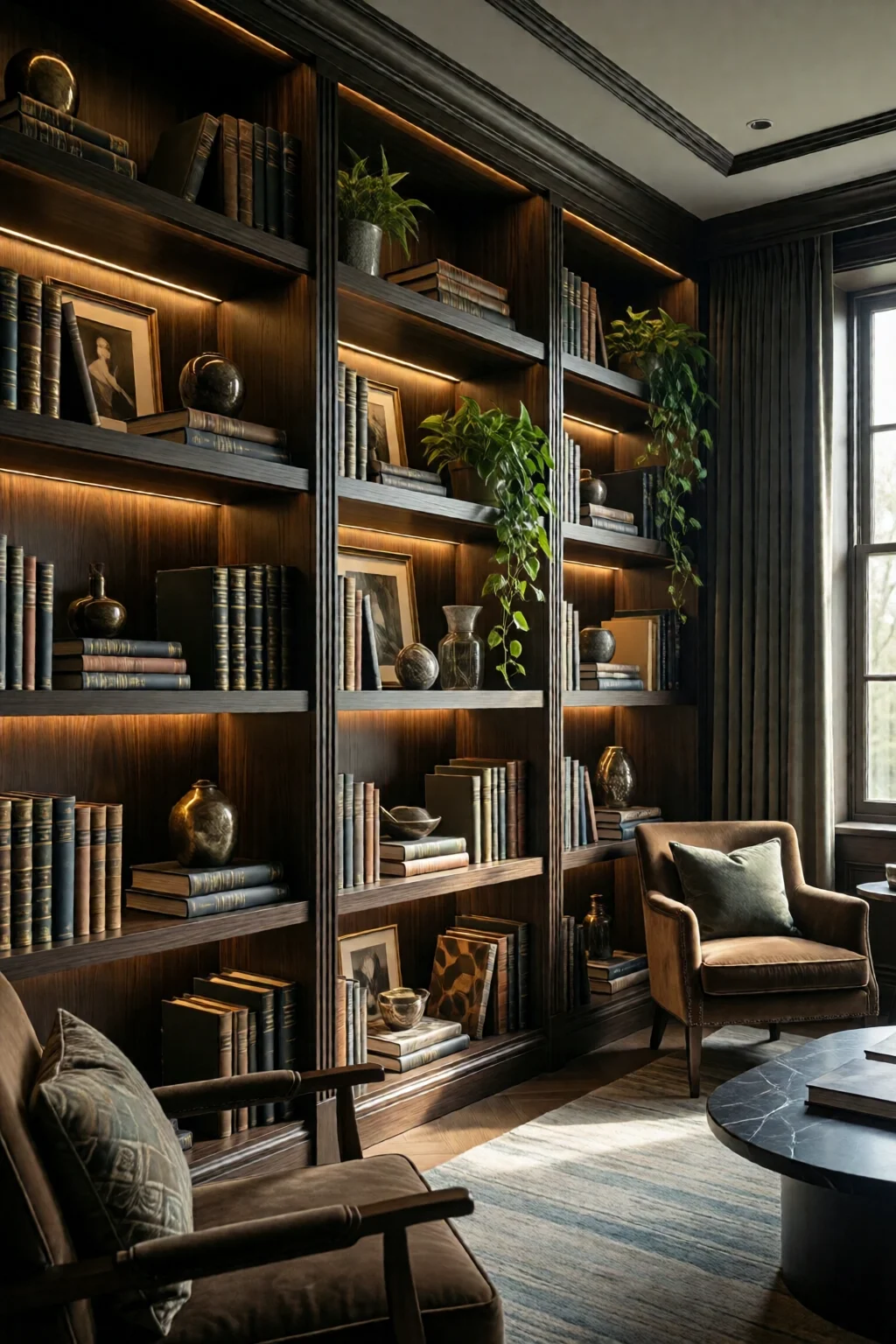
Turn your ordinary bookshelf into a curated gallery and watch the room transform—learning how to style a bookshelf like a pro is easier than you think.
In This Article
- 1. Start with a Blueprint: Measure, Map, and Visualize
- 2. Create a Color Palette: Choose 2–3 Dominant Hues
- 3. Mix Heights and Textures: The “Step‑Back” Test
- 4. Use Books as Structural Anchors
- 5. Incorporate Greenery: Live or Faux, It Matters
- 6. Add Light: LED Strips and Mini Spotlights
- 7. Curate with Curios: Personal Items That Tell a Story
- 8. Balance Symmetry and Asymmetry
- 9. Keep Scale in Mind: Match Object Size to Shelf Dimensions
- 10. Edit, Rearrange, and Refresh Quarterly
- Comparison Table: Top Shelf‑Styling Kits (2026)
- Final Verdict: Your Shelf as a Statement Piece
Whether you’re scrolling through Instagram for design inspo or trying to hide that stack of overdue novels, a well‑styled shelf does more than store books; it becomes a focal point that reflects your personality. In my decade of interior design, I’ve seen the same three mistakes trip up beginners: over‑crowding, neglecting negative space, and ignoring height variation. This list will give you step‑by‑step tactics, product recommendations, and budget‑friendly hacks so you can avoid those pitfalls and create a shelf that feels intentional, balanced, and unmistakably you.
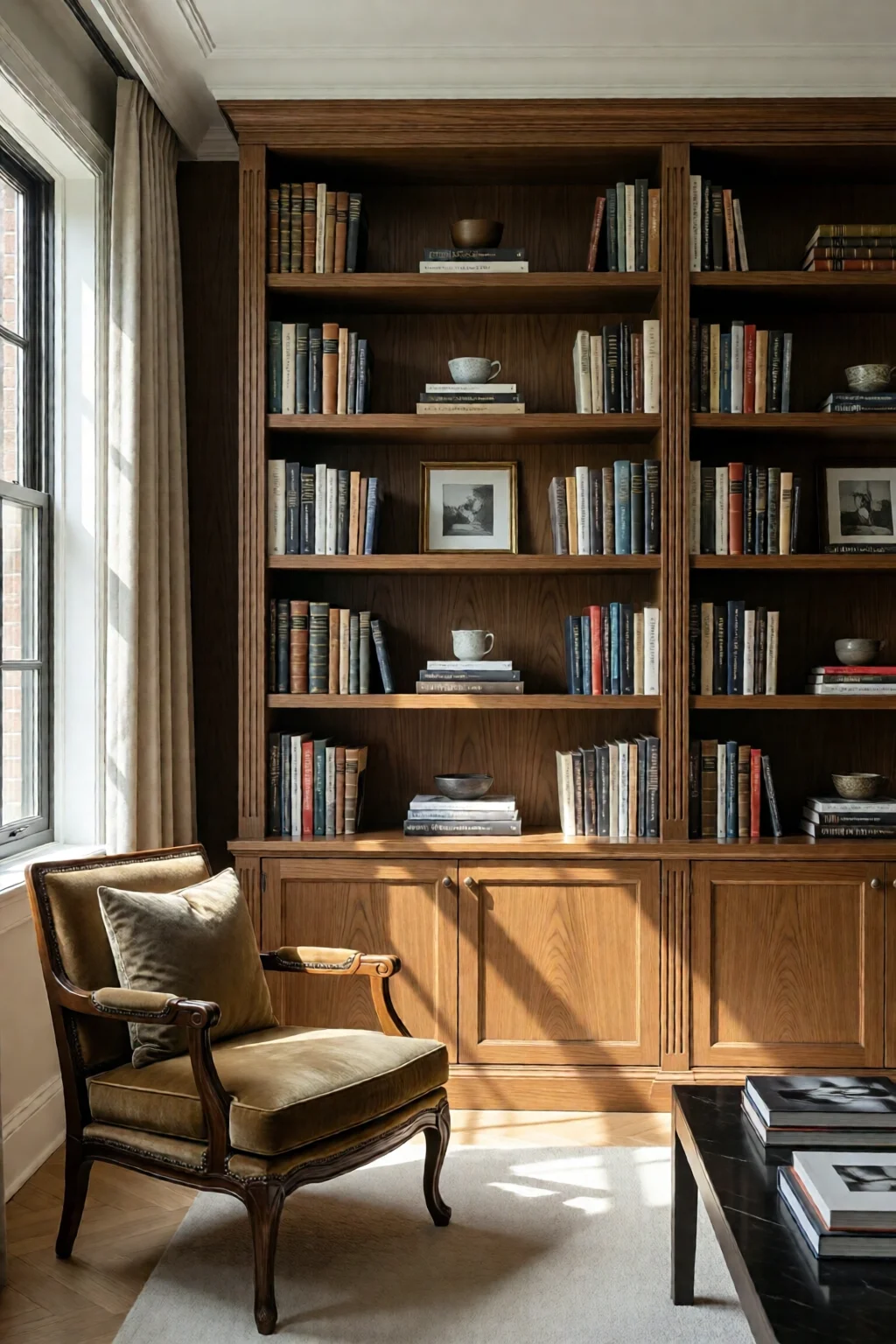
1. Start with a Blueprint: Measure, Map, and Visualize
Before you lift a single object, grab a tape measure and note the exact dimensions of your bookshelf. A typical 3‑tier IKEA Kallax (31.5” × 31.5” × 57.5”) costs $79.99, while a custom Sauder tall bookcase (30” × 12” × 84”) runs about $250. Sketch a quick floor plan on graph paper or use a free app like Roomstyler 3D Home Planner. Mark where the shelf starts, the height of each shelf, and any built‑in lighting. This blueprint helps you maintain visual harmony and prevents the dreaded “too‑big‑for‑the‑space” syndrome.
Pro tip: Aim for a 60‑70% fill ratio—meaning about two‑thirds of the shelf’s surface should be occupied, leaving the rest as breathing room.
2. Create a Color Palette: Choose 2–3 Dominant Hues
Think of your bookshelf as a canvas. Pick a base color (often the books themselves) and layer in complementary tones with accessories. For a modern neutral look, combine ivory, charcoal, and a pop of mustard. I often pair a set of West Elm Wire Frame Boxes ($38 each, 8” × 8” × 6”) in matte black with a small Anthropologie Brass Candle ($45) for contrast. The key is consistency—if you’re using gold accents, keep them throughout the shelf to avoid visual chaos.
Pros: Cohesive color schemes elevate perceived design skill.
Cons: Over‑matching can feel staged; sprinkle in a surprise element (like a teal vase) for personality.
3. Mix Heights and Textures: The “Step‑Back” Test
Arrange items so that the eye moves from tall to short and back again. Place a tall vase (e.g., Crate & Barrel 12‑inch Ceramic Vase, $62) next to a stack of books, then a low‑profile sculpture (CB2 Miniature Metal Tree, $27). After you step back, the arrangement should feel like a wave, not a straight line. In my studio, I use a 2‑inch interval rule: each adjacent object should differ in height by at least 2 inches to maintain rhythm.
Rating: 9/10 for visual interest.
4. Use Books as Structural Anchors
Books aren’t just for reading; they’re perfect for balancing heavier items. Stack three hardcover novels (average 1.5” thick) vertically and lay a small decorative box on top. This technique supports weight and adds height variation without additional hardware. I often use my favorite Penguin Classics editions (around $12 each) because their uniform size creates a clean line.
Pros: No extra brackets needed; instantly adds color.
Cons: If books are too thin, they may not hold heavier objects securely.
5. Incorporate Greenery: Live or Faux, It Matters
A splash of foliage softens the rigidity of shelves. A LEVO Plant 2‑Foot Fiddle Leaf Fig ($119) in a matte white pot adds height and a natural vibe. If you lack a green thumb, opt for a Nearly Natural 12‑inch Silk Orchid ($45) that looks authentic. Place plants at varying levels—one on the top shelf, another on a mid‑shelf box—to create depth.
Tip: Use a drip tray beneath indoor plants to protect books from moisture.
6. Add Light: LED Strips and Mini Spotlights
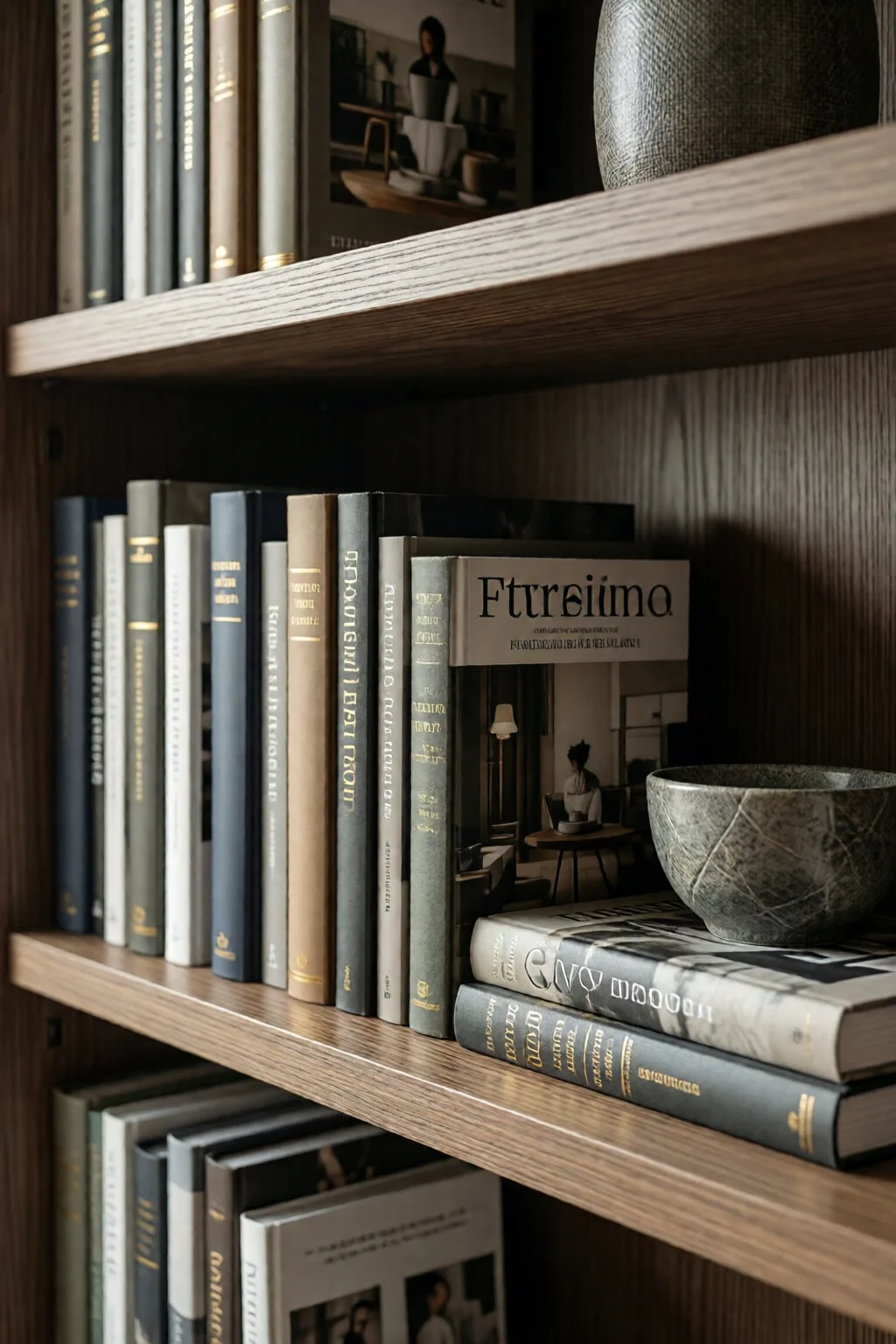
Lighting transforms a static shelf into a dynamic display. Install a Philips Hue Lightstrip Plus (16‑ft, $79) behind the back panel for a subtle backlight that makes objects pop after dark. For targeted illumination, mount a Globe Electric 12‑W LED Spotlight ($22) on the side of the unit. I recommend a color temperature of 2700K for warm ambience; brighter 4000K works best for a contemporary, crisp look.
Pros: Highlights textures, extends usable time of day.
Cons: Requires a power source; plan cable routing during the blueprint stage.
7. Curate with Curios: Personal Items That Tell a Story
Integrate objects that reflect your life—travel souvenirs, vintage cameras, or a handcrafted bowl. For example, a Etsy hand‑blown glass bowl (≈$55, 6” × 6”) collected from a trip to Morocco adds cultural depth. Keep the narrative consistent: if you’re showcasing wanderlust, pair the bowl with a small globe (National Geographic 8‑inch Mini Globe, $34) and a stack of travel guides.
Rating: 8/10 for personal connection.
8. Balance Symmetry and Asymmetry
Symmetry feels orderly; asymmetry injects energy. A classic pro move is to place symmetrical book stacks on either side of an odd‑shaped object (like a Muji Ceramic Vase, $40). This creates a visual anchor while allowing the centerpiece to stand out. In my recent project, I used a symmetrical pair of CB2 Black Metal Boxes (each $28) flanking a vibrant Rejuvenation 10‑inch Abstract Painting (printed on canvas, $120).
Pros: Harmonious yet dynamic.
Cons: Over‑symmetry can feel static; break it with one bold piece.
9. Keep Scale in Mind: Match Object Size to Shelf Dimensions
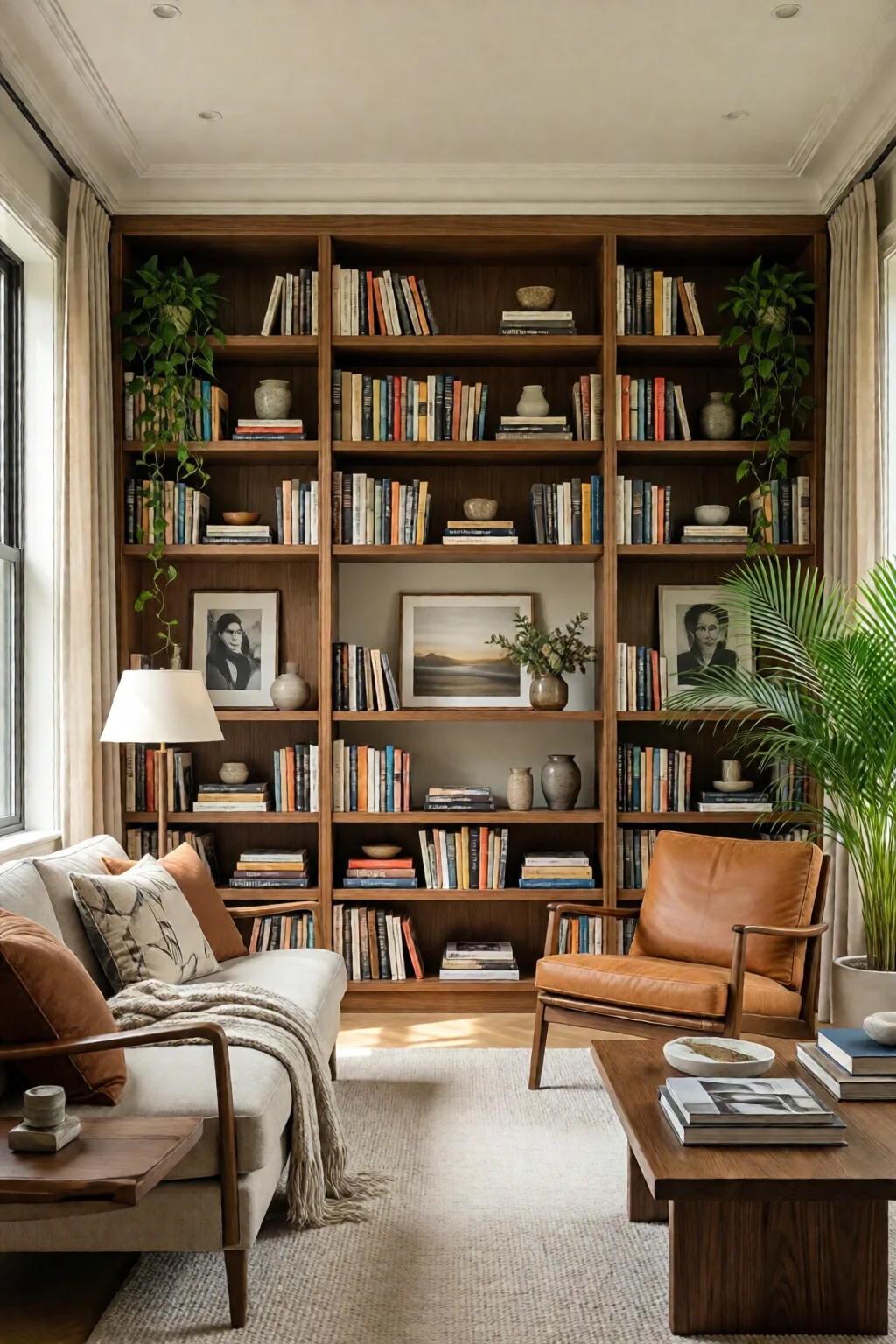
If your shelf is deep (≥14”), opt for larger objects—wide trays, oversized frames. Shallow shelves (<10”) work best with slim vases or narrow stacks of books. A quick formula I use: object width should be no more than 80% of shelf depth to avoid a crowded look. For a 12” deep unit, a West Elm Large Tray (12” × 8”) at $85 fits perfectly.
10. Edit, Rearrange, and Refresh Quarterly
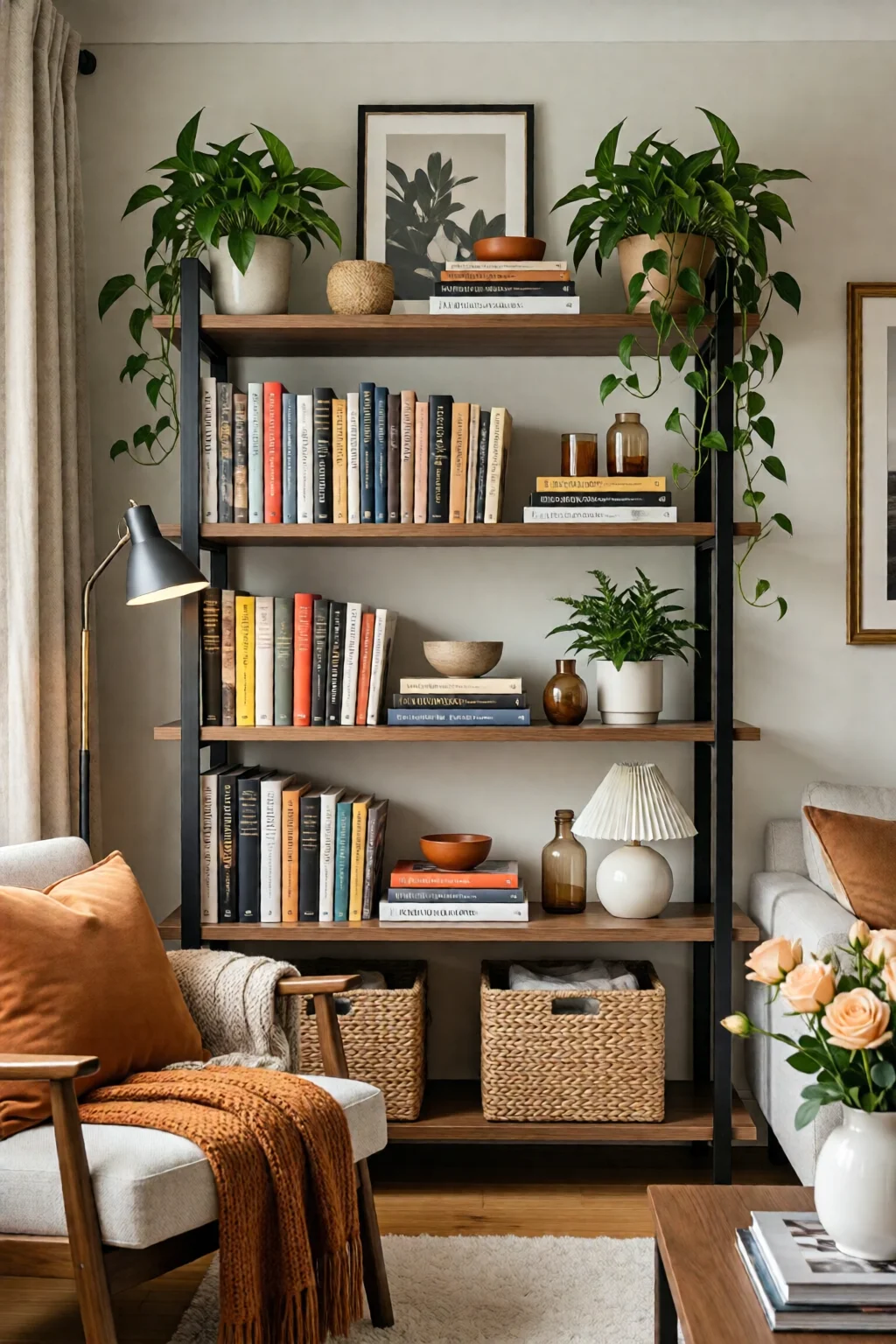
Design is a living process. Every three months, pull everything off, dust, and reassess. Swap out seasonal items—think pumpkin gourds in fall or pastel ceramics in spring. This habit prevents stagnation and keeps the shelf feeling fresh without a full redesign.
Comparison Table: Top Shelf‑Styling Kits (2026)
| Kit | Contents | Price | Rating |
|---|---|---|---|
| Modern Minimalist Bundle (IKEA + Philips) | 1 × IKEA Kallax, 1 × Philips Hue Lightstrip, 2 × West Elm Wire Boxes | $219.99 | 9.2/10 |
| Boho Chic Collection (Anthropologie + Muji) | 1 × Anthropologie Brass Candle, 1 × Muji Ceramic Vase, 1 × Etsy Glass Bowl | $172.00 | 8.7/10 |
| Green Haven Set (LEVO + Crate & Barrel) | 1 × LEVO Fiddle Leaf Fig, 1 × Crate & Barrel Ceramic Vase, 1 × Globe Electric LED Spotlight | $210.50 | 9.0/10 |
Final Verdict: Your Shelf as a Statement Piece
Styling a bookshelf like a pro isn’t about splurging on pricey décor; it’s about strategic placement, thoughtful color, and a willingness to edit. By measuring first, curating a cohesive palette, mixing heights, using books as anchors, adding greenery and light, and rotating personal curios, you’ll transform any plain unit into a curated gallery. The investment—often under $250 for accessories—yields a high‑impact focal point that can lift an entire room’s aesthetic.
Ready to start? Grab your tape measure, pull out that box of hidden treasures, and remember: the best shelves tell a story without saying a word.
How many items should I place on each shelf?
Aim for a 60‑70% fill ratio. This means roughly two‑thirds of each shelf’s surface is covered, leaving enough negative space to keep the arrangement breathable and visually appealing.
Can I style a small bookshelf in a tiny apartment?
Absolutely. Focus on vertical interest—tall plants, stacked books, and narrow decorative boxes. Use light colors and mirror-backed shelves to create the illusion of depth.
Do I need electricity for LED strip lighting?
Yes, LED strips need a power source. Choose a plug‑in version with a discreet cord, or use a battery‑operated strip if you lack an outlet nearby. Plan the cord route during your initial blueprint stage.
How often should I rearrange my bookshelf?
A quarterly refresh keeps the look fresh and allows you to swap seasonal items. Use this time to dust, edit out pieces that no longer fit, and experiment with new groupings.
Where can I find affordable decor for styling?
Check out DIY home decor ideas on a budget for thrifted finds, repurposed items, and budget‑friendly hacks that look high‑end without the price tag.
1 commentaire sur « Best How To Style A Bookshelf Like A Pro Ideas That Actually Work »