Did you know that 78% of parents say a child’s bedroom is the most influential space for boosting imagination and learning at home? That means a well‑designed room can do more than just hold toys—it can spark creativity every day.
In This Article
- What You Will Need (or Before You Start)
- Step 1 – Define a Playful Theme and Color Palette
- Step 2 – Plan the Layout and Zones
- Step 3 – Choose Playful Furniture That Grows with Your Child
- Step 4 – Add Creative Wall Treatments
- Step 5 – Incorporate Smart Storage Solutions
- Step 6 – Finish with Textiles, Lighting, and Personal Touches
- Common Mistakes to Avoid
- Troubleshooting or Tips for Best Results
- Summary
What You Will Need (or Before You Start)
Gather these basics before you dive in. Having everything on hand keeps the project moving and prevents costly delays.
- Measuring tape – 150 cm steel tape for accurate wall and floor dimensions.
- Graph paper or a free floor‑plan app (e.g., RoomSketcher) – Sketch out layouts in 1‑inch squares.
- Paint samples – At least three 2‑oz swatches; budget $12 each.
- Budget tracker – Spreadsheet or the “Home Budget” app (free on iOS/Android).
- Core furniture pieces:
- IKEA KURA reversible bed, $199, 73 × 73 × 115 cm.
- Pottery Barn Kids “Briar” storage bench, $299, 100 × 45 × 30 cm.
- Wayfair “Woven Play Rug”, 5 × 7 ft, $89.
- Decor accessories – wall decals, LED strip lights, storage bins (e.g., The Container Store’s Clear Stackable Bins, $9 per pack of 4).
- Safety gear – child‑proof outlet covers, corner guards (Kidde, $8‑$12 each).
Having a clear budget ceiling (I recommend $1,500–$2,000 for a full makeover) helps you prioritize high‑impact items first.
Step 1 – Define a Playful Theme and Color Palette
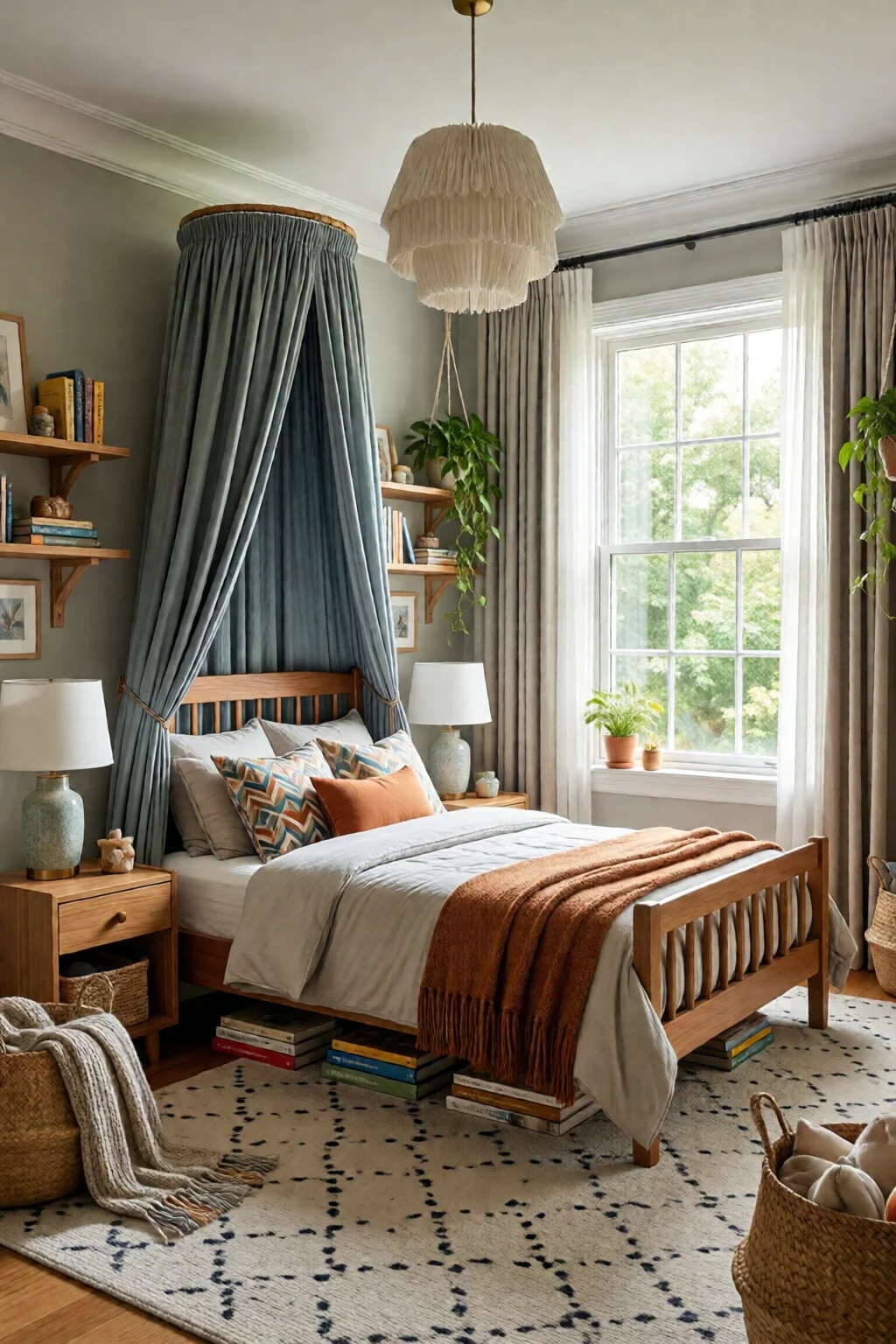
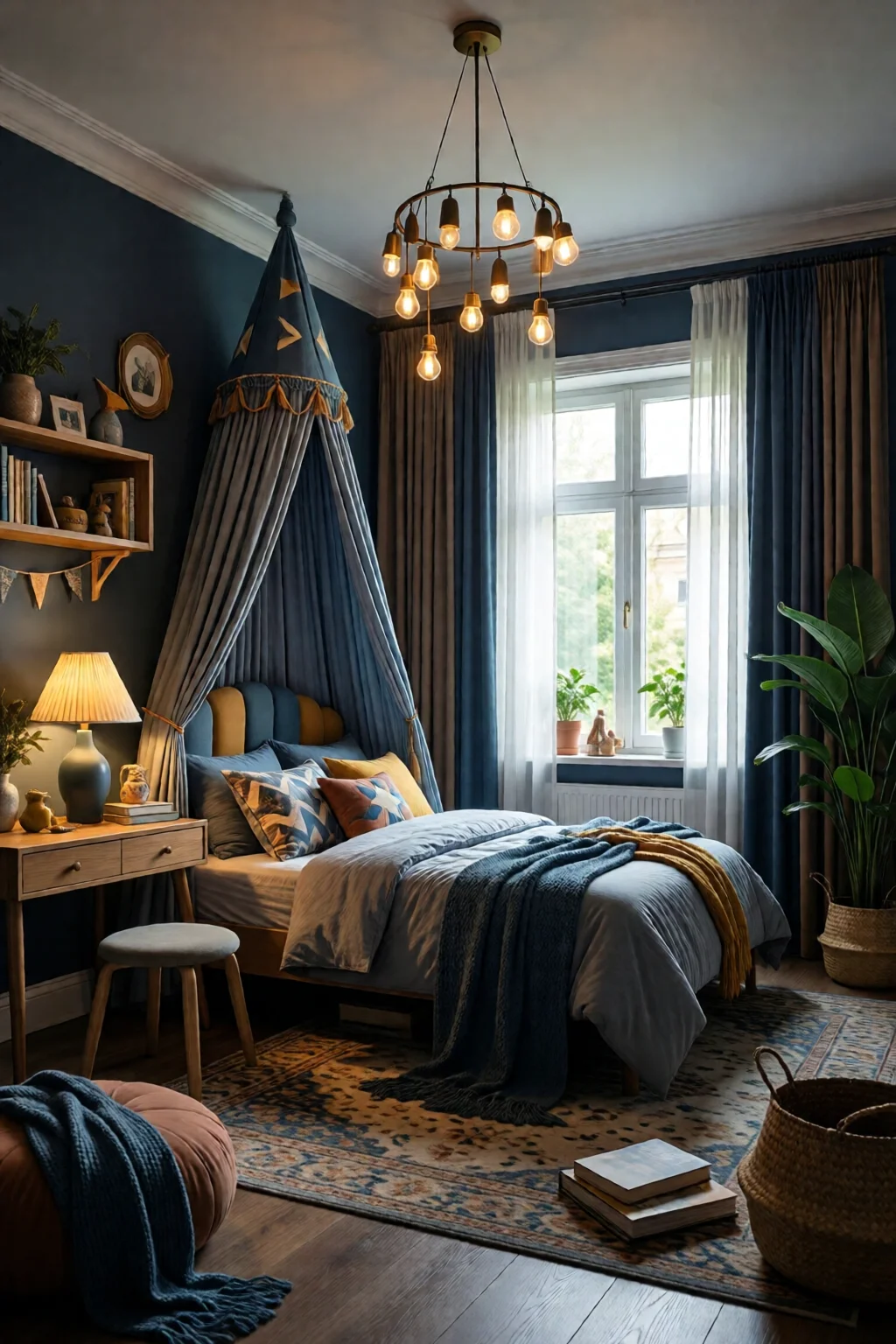
Kids love stories. Start by picking a theme that resonates with their interests—space adventure, jungle safari, or a whimsical storybook forest. Once the theme is set, choose a color palette that balances excitement with calm. A popular combo is navy + mustard + soft gray, which feels energetic yet soothing for sleep.
In my experience, using a 60‑30‑10 rule works wonders: 60% dominant wall color, 30% secondary (accent wall or furniture), and 10% bold pops (pillows, art). For a “galaxy” theme, paint three walls in deep navy ($32 per gallon, Home Depot) and reserve one wall for a metallic silver accent ($39 per gallon). Add mustard‑colored cushions ($24 each) and gray storage boxes ($15 per set) to hit the 10% mark.
Step 2 – Plan the Layout and Zones
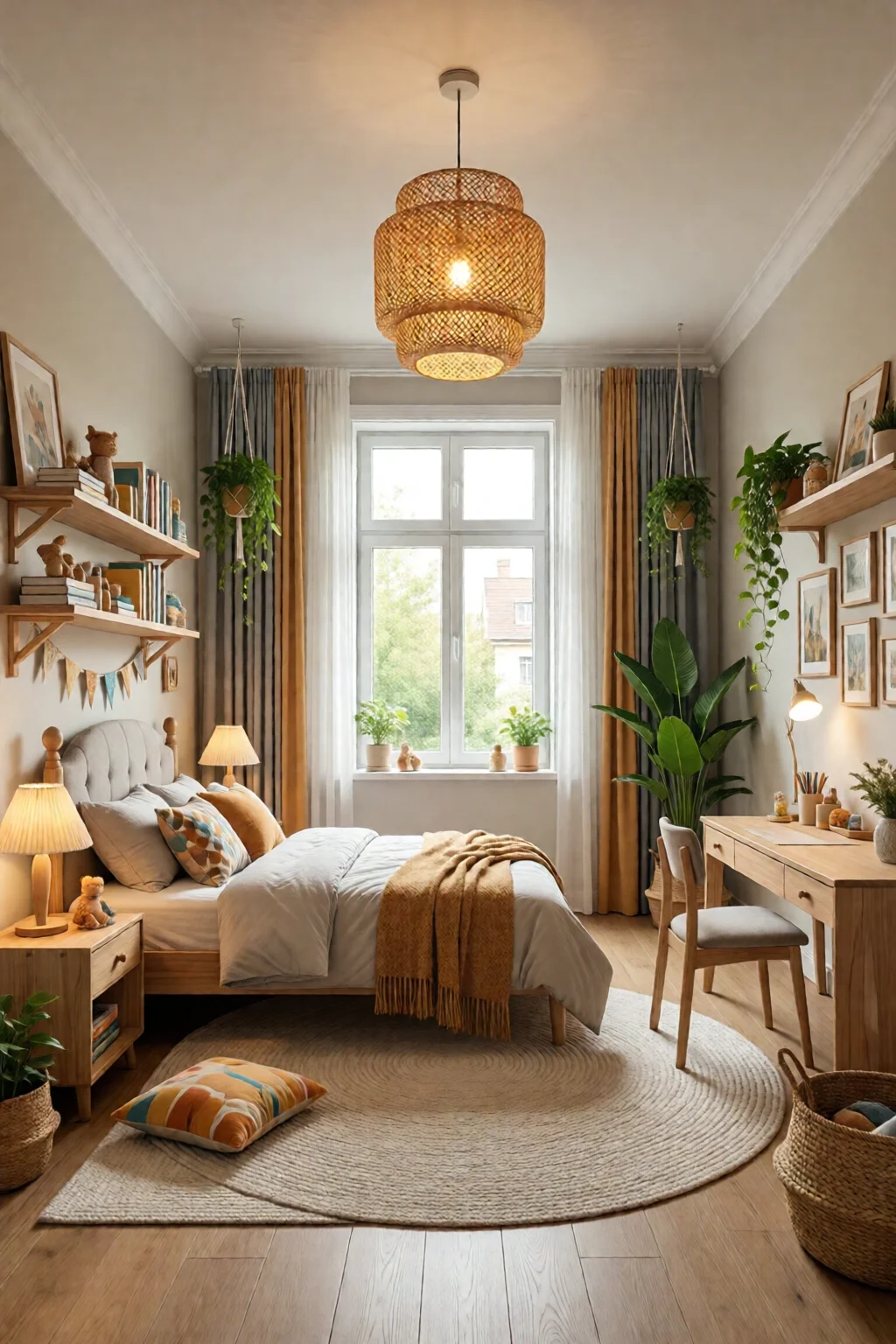
Kids need distinct zones: sleep, play, study, and storage. Use a floor‑plan grid to allocate roughly 40% of the floor area to the bed, 30% to a play rug and activity mat, 20% to a study desk, and 10% to open storage.
Measure the room’s length and width, then draw a scaled layout. For a 12 × 10 ft bedroom, that translates to:
- Bed area: 4.8 × 4 ft
- Play rug: 5 × 7 ft (centered)
- Desk: 3 × 2 ft, placed near a window for natural light
- Storage bench: 3.3 × 1.5 ft at the foot of the bed
Position the desk opposite the window to avoid glare, and keep the play area away from high‑traffic hallways to reduce accidents.
Step 3 – Choose Playful Furniture That Grows with Your Child
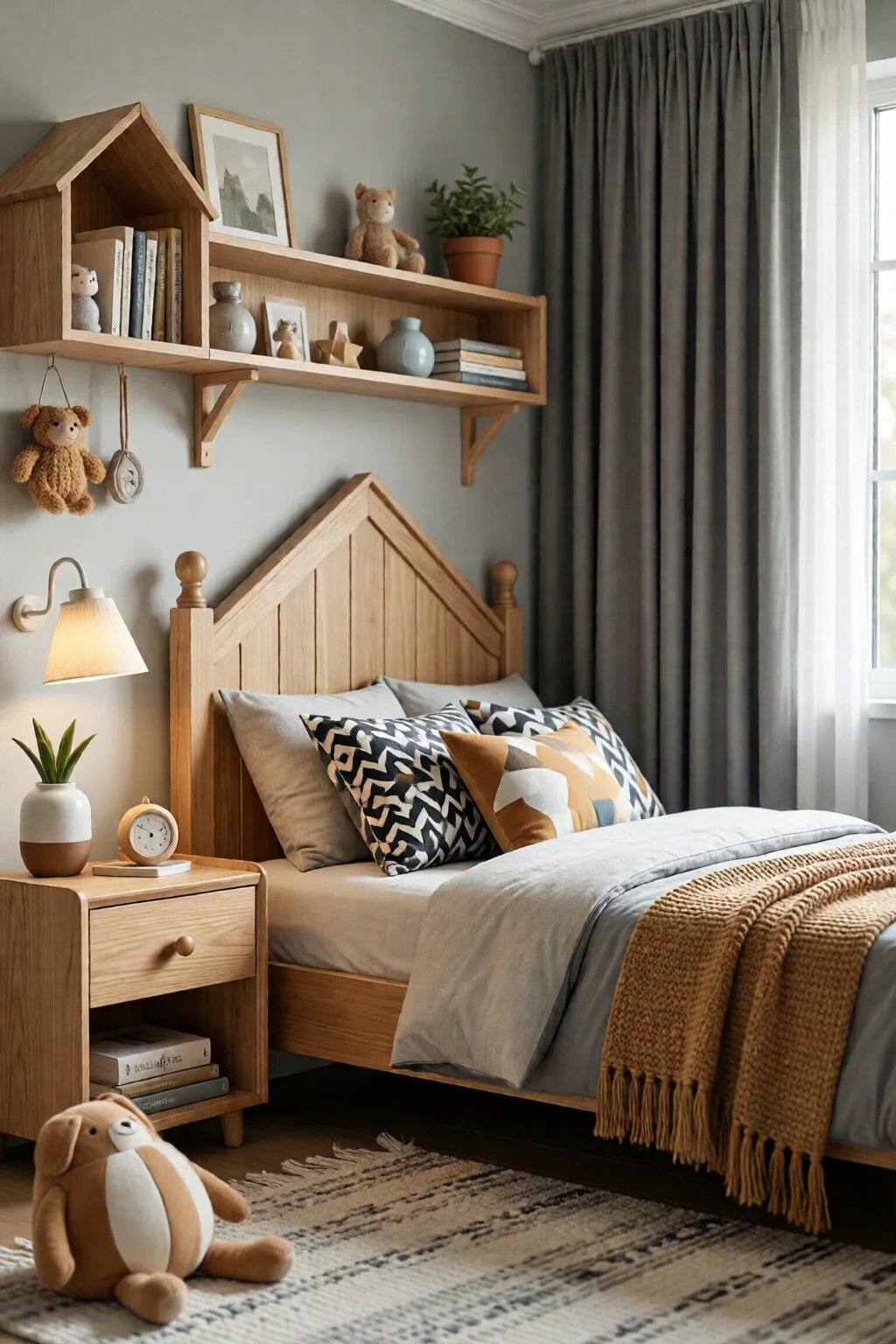
Invest in pieces that adapt as your child ages. The IKEA KURA bed doubles as a low loft for reading or a climbing structure when you add a safety net ($25). Pair it with a Wayfair “Adjustable Height Desk” ($179) that can be raised from 24 in to 32 in as your child grows.
For storage, I love the Pottery Barn Kids “Briar” bench. Its lid hides toys, and the interior includes a built‑in shoe rack—perfect for a tidy room. If you need more vertical storage, install Delta Children wall‑mounted bins (set of 5 for $45) at kid‑friendly heights (48 in from floor).
Step 4 – Add Creative Wall Treatments
Walls are the canvas for imagination. Here are three budget‑friendly ideas:
- Removable decals: Choose a set of 30 × 30 in galaxy stickers from WallPops ($22). They’re washable and repositionable.
- DIY chalkboard paint: One quart of Rust-Oleum Chalkboard covers 100 sq ft for $24. Paint a 4 × 6 ft section above the desk for endless drawing.
- Fabric panels: Hang a 3 × 5 ft tapestry from a tension rod ($12) for texture and sound dampening.
When I installed a mural in a client’s “underwater” bedroom, the cost was under $150, yet the impact felt like a custom artwork.
Step 5 – Incorporate Smart Storage Solutions
Clutter kills creativity. Use a mix of open and closed storage to keep the room tidy without feeling sterile.
- Low bins under the bed—The Container Store’s Clear Stackable Bins (4‑pack, $9) slide in easily.
- Wall‑mounted cubbies at 24 in height—Target’s “Kid’s Cube Storage” (6‑cube, $45) encourages kids to sort toys.
- Floating shelves for books and display items—I recommend IKEA LACK shelves (30 × 10 × 10 in, $15 each). Install three for a neat library.
Label each bin with icons (cars, animals, art) using a label maker ($19) to make cleanup a game.
Step 6 – Finish with Textiles, Lighting, and Personal Touches
Soft textiles add comfort and acoustics. Choose a Woven Play Rug (5 × 7 ft, $89) that ties the color palette together. Add a mix of pillows—two in mustard, two in navy, and one patterned—each $24.
Lighting is crucial for both sleep and play. Install a dimmable ceiling fixture (e.g., Leviton 40‑Watt LED, $45) and add a LED strip light behind the headboard for a starry‑sky effect ($18 per 5‑ft roll). A desk lamp with adjustable brightness (Lepow Clip‑On, $22) ensures eye‑friendly study time.
Finally, personalize with a bedroom closet organization ideas board where kids can pin their favorite drawings, and a small gallery of framed artwork at eye level.
Common Mistakes to Avoid
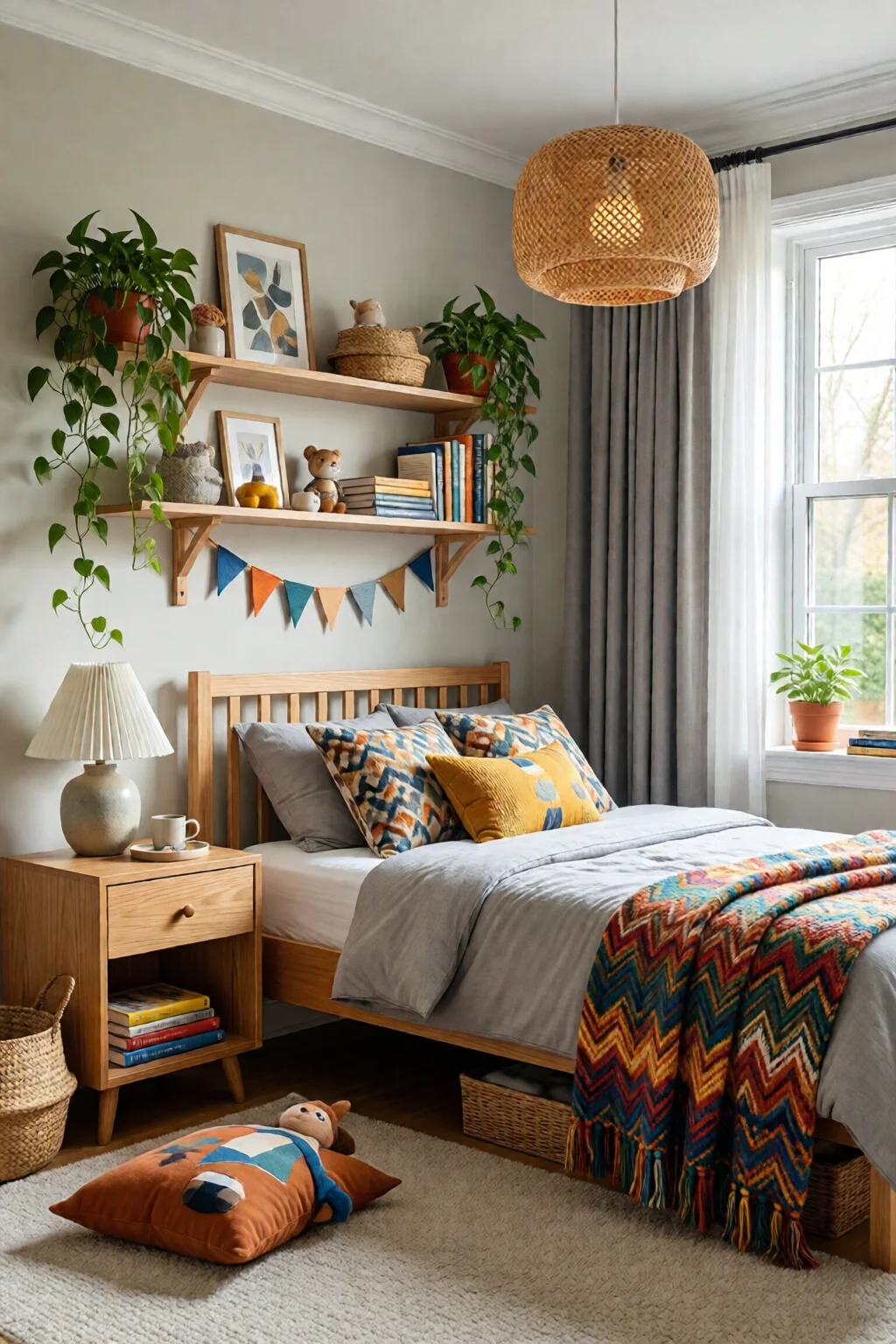
- Over‑theming: Using too many bold patterns can overwhelm. Stick to one dominant motif and keep secondary elements subtle.
- Ignoring growth: Buying a toddler‑size bed that can’t be extended leads to early replacement. Choose convertible furniture.
- Skimping on safety: Forgetting outlet covers or anchor brackets for heavy shelves creates hazards. Always use wall anchors (e.g., HILTI 400 mm metal studs, $12 per pack).
- Poor lighting zones: Relying on a single overhead light makes reading difficult. Layer lighting with task and ambient sources.
- Neglecting ventilation: A cramped room without airflow can feel stale. Keep a window uncovered or add a low‑noise floor fan ($30).
Troubleshooting or Tips for Best Results
Issue: Paint doesn’t adhere to glossy walls. Lightly sand the surface with 120‑grit sandpaper, wipe clean, then prime with a $15 primer before applying color.
Issue: Furniture feels unstable. Use a stud finder to locate wall studs and secure each piece with 3‑inch wood screws (minimum 2 in into the stud).
Tip: Maximize storage without bulk. Install a bedroom headboard ideas DIY and bought that doubles as a bookshelf—cost about $45 for a simple MDF board and brackets.
Tip: Create a “quiet corner”. Add a bean‑bag chair (e.g., Big Joe, $40) and a soft floor lamp to give a cozy reading nook.
Tip: Keep the rug in place. Use a non‑slip rug pad (Gorilla Grip, $25 for 5 × 7 ft) to prevent trips.
Summary
By defining a theme, planning functional zones, selecting adaptable furniture, and layering creative wall treatments with smart storage, you can transform any children’s room into a space that fuels imagination while staying organized and safe. Stick to a realistic budget, avoid common pitfalls, and use the troubleshooting tips above, and you’ll have a kids bedroom ideas playful and creative masterpiece that grows with your child for years to come.
How much does a full kids bedroom makeover typically cost?
A complete makeover can range from $1,200 to $2,500 depending on furniture choices, paint quality, and accessories. Using budget‑friendly brands like IKEA and Target can keep costs under $1,500, while premium pieces from Pottery Barn Kids push the total toward $2,500.
What are the safest flooring options for a kid’s room?
Low‑pile synthetic rugs (e.g., nylon or polypropylene) with a non‑slip backing are ideal. They’re easy to clean, durable, and provide cushioning. Pair them with a rug pad like Gorilla Grip for added safety.
Can I incorporate a study area without sacrificing play space?
Yes. Allocate about 20% of the floor area for a compact desk (3 × 2 ft) near a window, and keep the remaining 80% open for a large rug and storage bins. Using vertical storage above the desk frees up floor space.
How do I keep the room organized as my child grows?
Implement a label system with icons, use modular storage that can be reconfigured, and schedule quarterly decluttering sessions. Adjustable furniture (e.g., height‑adjustable desk) allows the room to evolve without major overhauls.