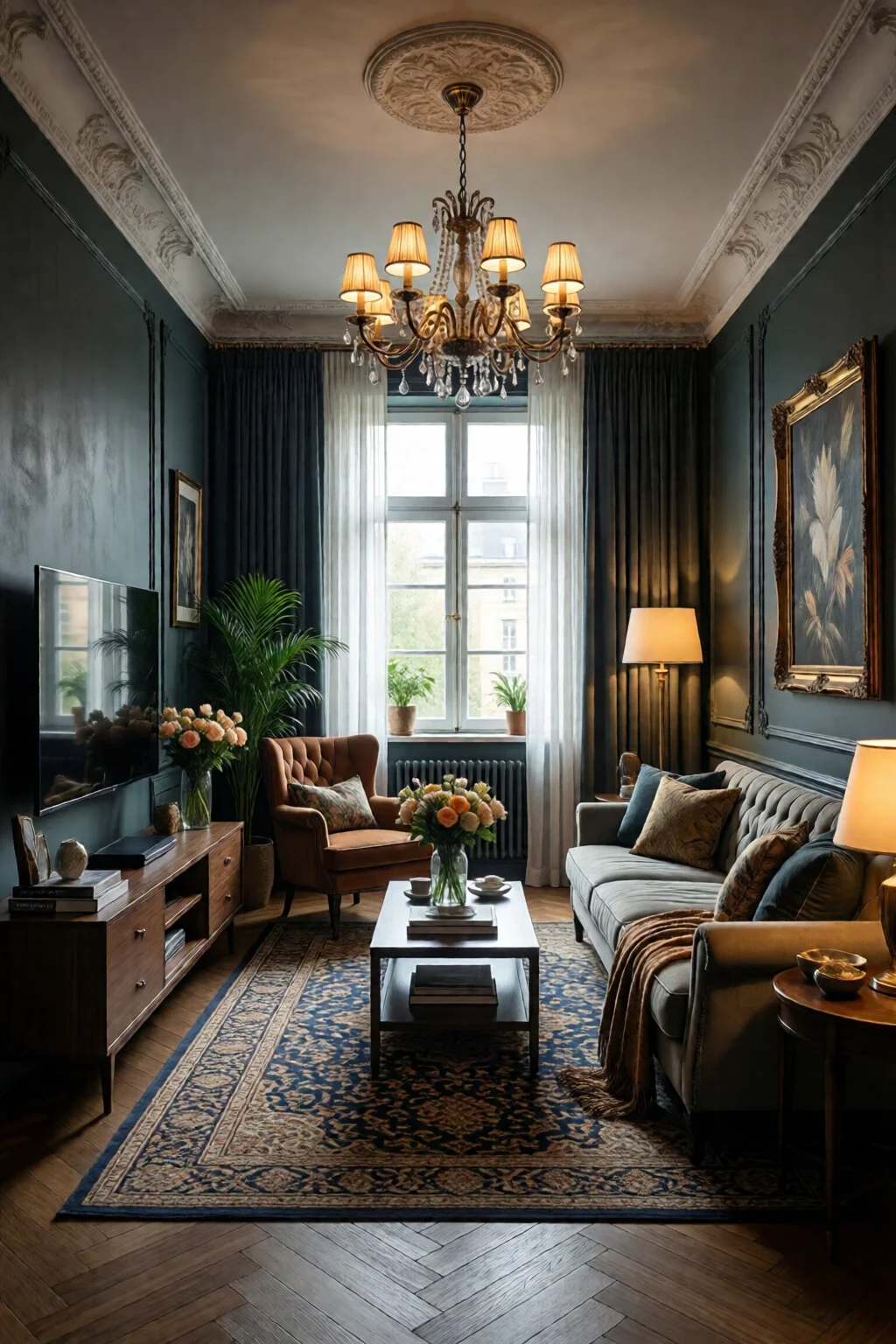
Transform a cramped space into a stylish haven with these small living room layout ideas. When square footage is limited, every inch counts, and the right arrangement can make the room feel airy, functional, and undeniably chic. Below, I share the strategies that have helped my clients maximize comfort without sacrificing style.
In This Article
- 1. Anchor the Room with a Multi‑Functional Sofa
- 2. Use a Floating Layout to Create Flow
- 3. Embrace Vertical Storage with Tall Bookcases
- 4. Choose Light‑Weight, Transparent Furniture
- 5. Optimize the Layout with a Z‑Pattern Flow
- 6. Leverage Mirrors to Amplify Light
- 7. Incorporate Multi‑Use Rugs
- Comparison Table: Top Layout Essentials
- Bonus: Lighting Tricks for Small Living Rooms
- Integrating Style Themes
- Final Verdict
From clever furniture placement to lighting tricks, the tips below are grounded in real projects where we turned 150‑sq‑ft lounges into inviting gathering spots. You’ll get actionable steps, product recommendations with prices and dimensions, and even a quick‑look comparison table so you can decide which ideas fit your budget and taste.
1. Anchor the Room with a Multi‑Functional Sofa
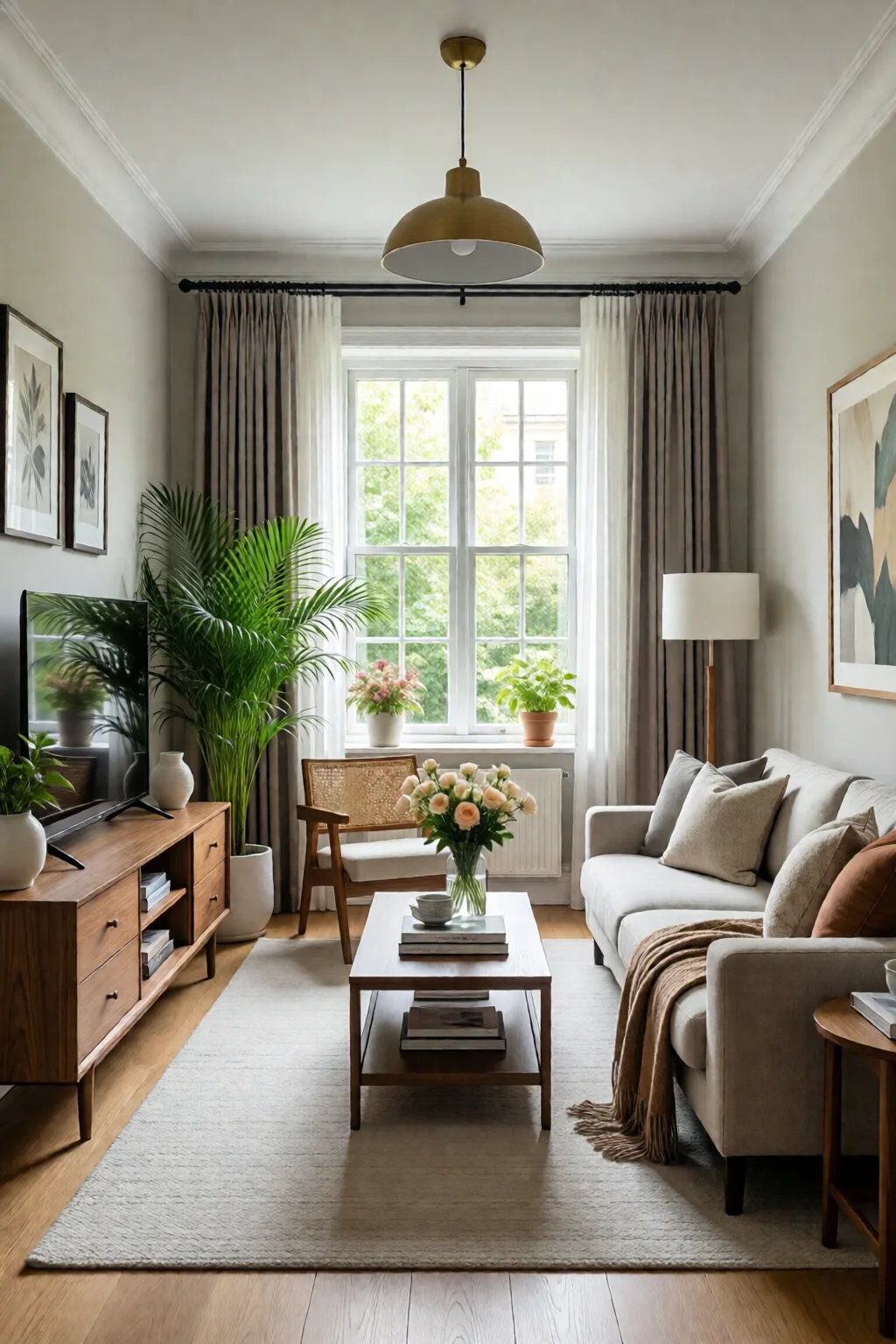
The sofa is the centerpiece of any living room, but in a small space it should do double duty. I recommend a sectional with a chaise that doubles as a storage bench. The Article Sven Sectional (3‑piece, 84″ × 38″, $1,099) includes hidden compartments for blankets and magazines. Its low back (18″) keeps sightlines open, making the room feel taller.
Pros: storage, defines seating area, comfortable.
Cons: larger footprint; choose a slim profile if you need extra walking space.
2. Use a Floating Layout to Create Flow
Instead of pushing furniture against the walls, “float” pieces toward the center. This opens up pathways and makes the room feel larger. Place a narrow coffee table (e.g., IKEA LACK, 35 × 35 cm, $29) in front of the sofa, leaving at least 45 cm of clearance on all sides. The floating arrangement also lets you showcase a rug that visually expands the space.
Tip: Choose a rug that’s at least 150 × 200 cm; a light‑neutral pattern will reflect more light.
3. Embrace Vertical Storage with Tall Bookcases
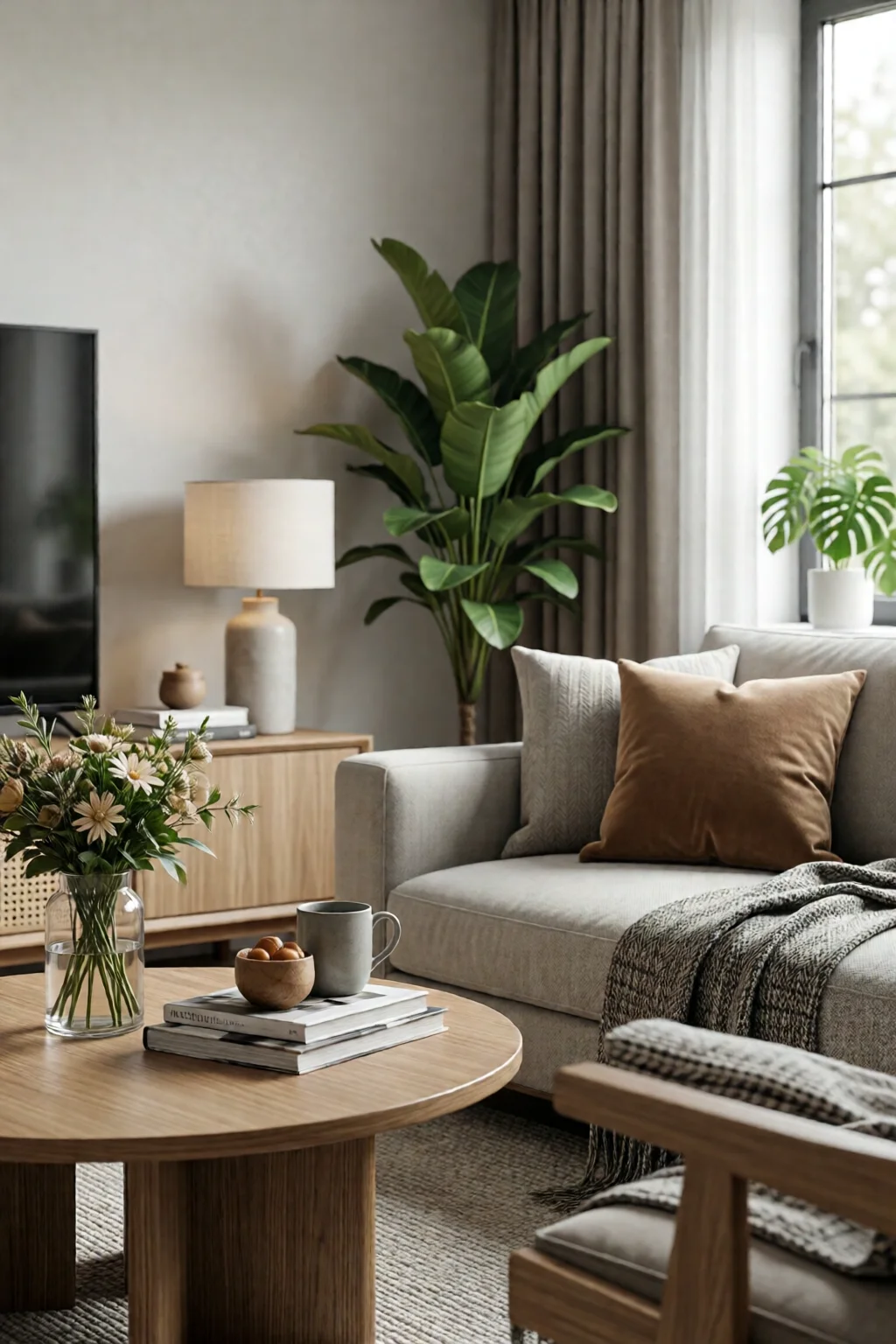
Floor‑to‑ceiling shelving draws the eye upward, creating the illusion of height. The West Elm Ladder Shelf (84″ H × 30″ W, $399) offers adjustable shelves that can hold books, décor, and even a small indoor plant. Pair it with push‑pin hooks for hanging coats or bags, eliminating the need for a separate coat rack.
Pros: maximizes wall space, adds display area.
Cons: can dominate a short wall; keep décor minimal to avoid clutter.
4. Choose Light‑Weight, Transparent Furniture
Clear acrylic or glass pieces reduce visual bulk. The CB2 Peekaboo Acrylic Coffee Table (28″ × 28″, $149) sits lightly above the rug, allowing the floor to stay visible. Pair it with a slim metal side table like the IKEA RODUND (18″ × 18″, $35) for drinks.
When selecting transparent items, ensure they have beveled edges to avoid a sterile look—softening them with a pastel table runner works wonders.
5. Optimize the Layout with a Z‑Pattern Flow
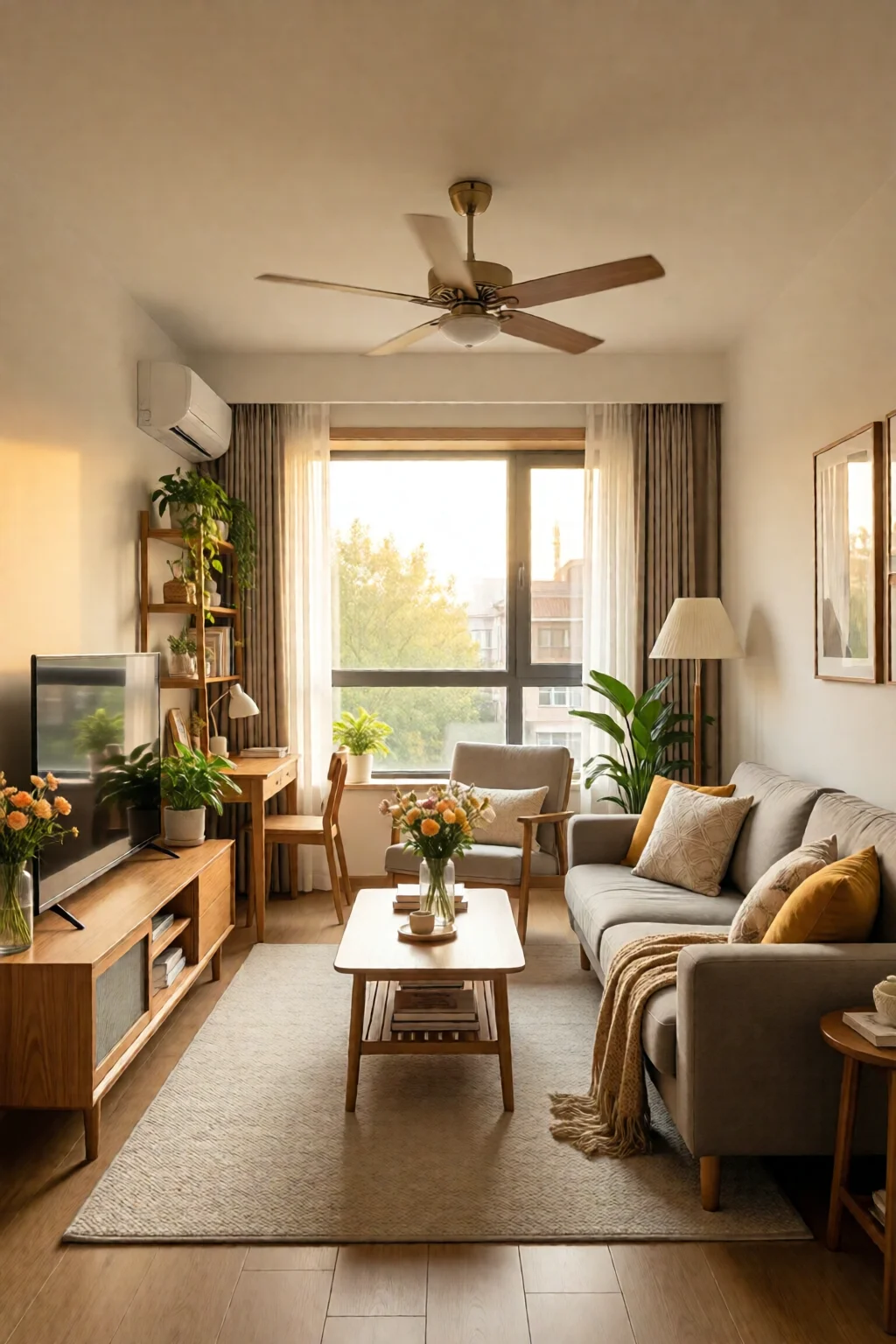
Human eyes naturally follow a Z‑shaped path: left‑right‑left. Arrange your sofa, media console, and accent chair to guide movement along this line. For example, place a low-profile TV stand (e.g., Sonos Beam TV Stand, 30″ W, $299) opposite the sofa, then set an accent chair diagonally across the room, creating a subtle visual cue that encourages traffic flow.
Result: a cohesive layout that feels intentional rather than cramped.
6. Leverage Mirrors to Amplify Light
A well‑placed mirror can double the perceived size of a room. I love the Anthropologie Large Round Mirror (60 cm diameter, $250) hung opposite a window; it reflects natural light and adds a decorative focal point. For a budget‑friendly option, the Target Opalhouse Mirrored Wall Panel (24″ × 48″, $79) works just as well.
7. Incorporate Multi‑Use Rugs
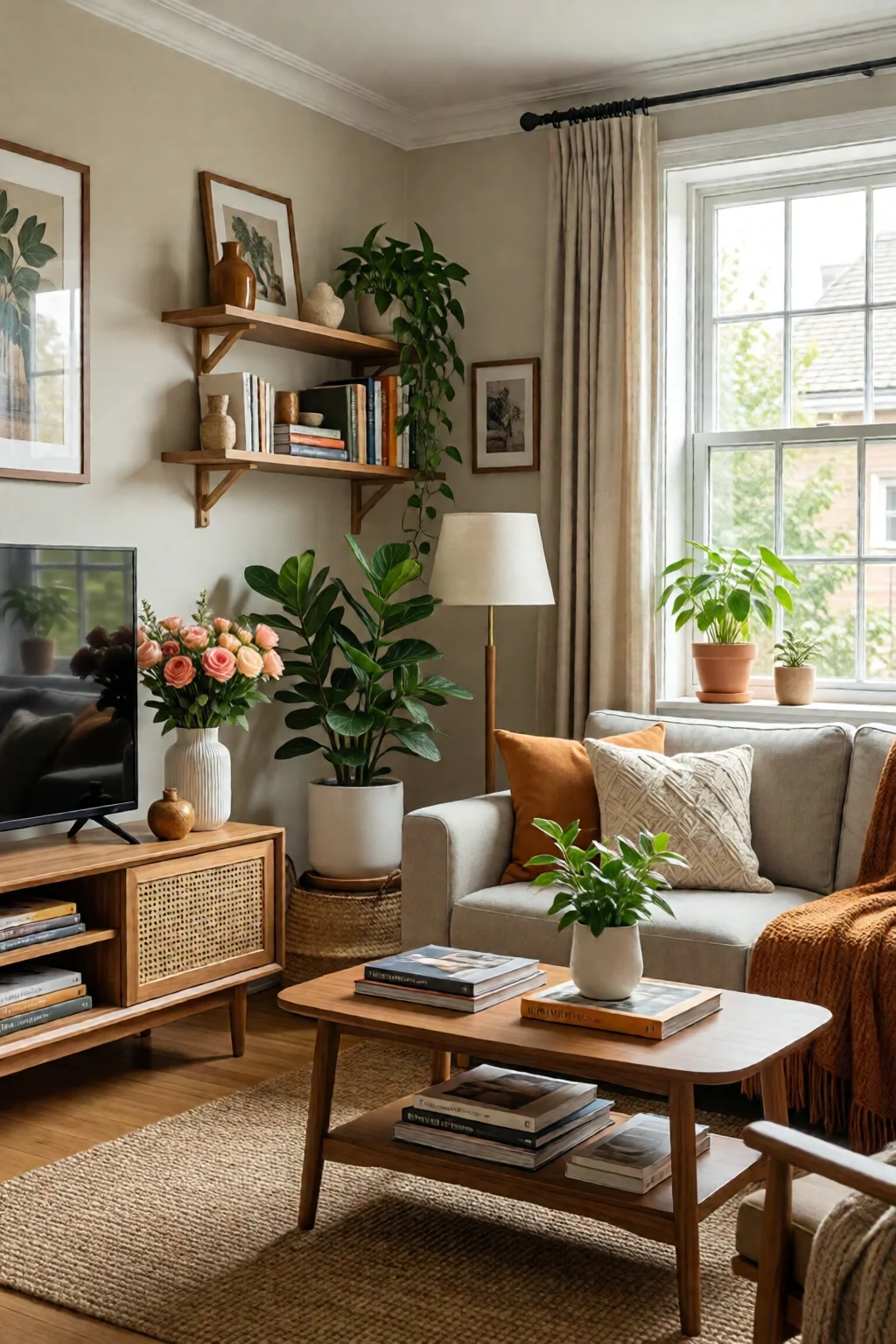
Rugs can delineate zones while adding texture. Choose a reversible rug for flexibility—one side with a bold pattern for the seating area, the other a muted tone for a reading nook. The Ruggable Reversible Rug (5 × 7 ft, $159) comes with a washable cover, making it perfect for high‑traffic small rooms.
Pro tip: Align the rug’s front edge with the front legs of the sofa to visually extend the seating depth.
Comparison Table: Top Layout Essentials
| Item | Brand / Model | Dimensions (L × W × H) | Price | Key Benefit | Rating (out of 5) |
|---|---|---|---|---|---|
| Sofa | Article Sven Sectional | 84″ × 38″ × 32″ | $1,099 | Built‑in storage, low back | 4.7 |
| Coffee Table | CB2 Peekaboo Acrylic | 28″ × 28″ × 16″ | $149 | Transparent, visual lightness | 4.5 |
| Bookcase | West Elm Ladder Shelf | 84″ × 30″ × 6″ | $399 | Vertical storage, modern look | 4.6 |
| Rug | Ruggable Reversible Rug | 5 × 7 ft | $159 | Two patterns, washable | 4.4 |
| Mirror | Anthropologie Large Round | 24″ diameter | $250 | Light‑reflecting, decorative | 4.8 |
Bonus: Lighting Tricks for Small Living Rooms
Lighting can either shrink or expand a space. Aim for a layered approach:
- Ambient: A dimmable LED ceiling fixture (e.g., Philips Hue White Ambiance, $80) provides even illumination.
- Task: A floor lamp with an adjustable arm, like the IKEA NOT (45″ H, $45), offers focused light for reading.
- Accent: LED strip lights hidden behind the TV console add a soft glow that visually lifts the ceiling.
In my experience, adding a warm‑white bulb (2700 K) in the main fixture makes the room feel cozier, while cooler bulbs (4000 K) on task lights keep the area functional.
Integrating Style Themes
If you’re drawn to specific aesthetics, blend them subtly. For a minimalist living room design, stick to a monochrome palette and limit décor to three statement pieces. For a modern living room, incorporate chrome accents and geometric patterns. Even a dark living room aesthetic can work in a small space if you balance it with a light rug and reflective surfaces.
Final Verdict
Small living rooms don’t have to feel cramped. By anchoring the space with multifunctional furniture, floating pieces to create flow, leveraging vertical storage, and using light‑reflective décor, you can achieve a room that feels larger than its square footage suggests. The table above highlights the most effective pieces, each vetted for price, size, and impact. Implement one or two of these ideas at a time, measure your space, and watch the transformation unfold.
How do I choose the right rug size for a tiny living room?
Measure the seating area and aim for a rug that extends at least 12–18 inches beyond the front legs of the sofa. In a 150‑sq‑ft room, a 5 × 7‑ft rug usually hits the sweet spot without overwhelming the floor.
Can I use a TV stand in a small living room without making it feel cluttered?
Yes—choose a low-profile, wall‑mounted console or a slim console like the Sonos Beam TV Stand (30″ W). Keep the top clear of décor and use the lower shelves for storage.
What lighting temperature works best in a compact living area?
Warm white (2700 K) for ambient lighting creates a cozy vibe, while cooler daylight (4000 K) on task lamps ensures reading and work areas stay functional.
Is it worth investing in a sectional for a room under 200 sq ft?
Absolutely, if you select a low‑back, storage‑focused model like the Article Sven Sectional. It maximizes seating and reduces the need for extra storage furniture.
How can I make a dark color scheme work in a small space?
Balance dark walls with light rugs, mirrors, and metallic accents. A single dark accent wall paired with a large reflective mirror (like the Anthropologie round mirror) prevents the room from feeling cave‑like.
1 commentaire sur « Small Living Room Layout Ideas – Your Complete Resource »