Transform your productivity with the perfect home office lighting ideas task light, and watch your workday glow up in ways you never imagined.
In This Article
- What You Will Need (or Before You Start)
- Step 1: Assess Your Space and Light Needs
- Step 2: Choose the Right Task Light Type
- Step 3: Positioning for Maximum Efficiency
- Step 4: Wiring, Power, and Smart Controls
- Step 5: Fine‑Tune Color Temperature and Brightness
- Common Mistakes to Avoid
- Troubleshooting and Tips for Best Results
- Summary Conclusion
In this step‑by‑step tutorial you’ll discover exactly how to choose, place, and fine‑tune a task light that eliminates glare, reduces eye strain, and boosts focus. By the end you’ll have a fully illuminated workspace that feels custom‑designed, without spending a fortune or hiring an electrician.
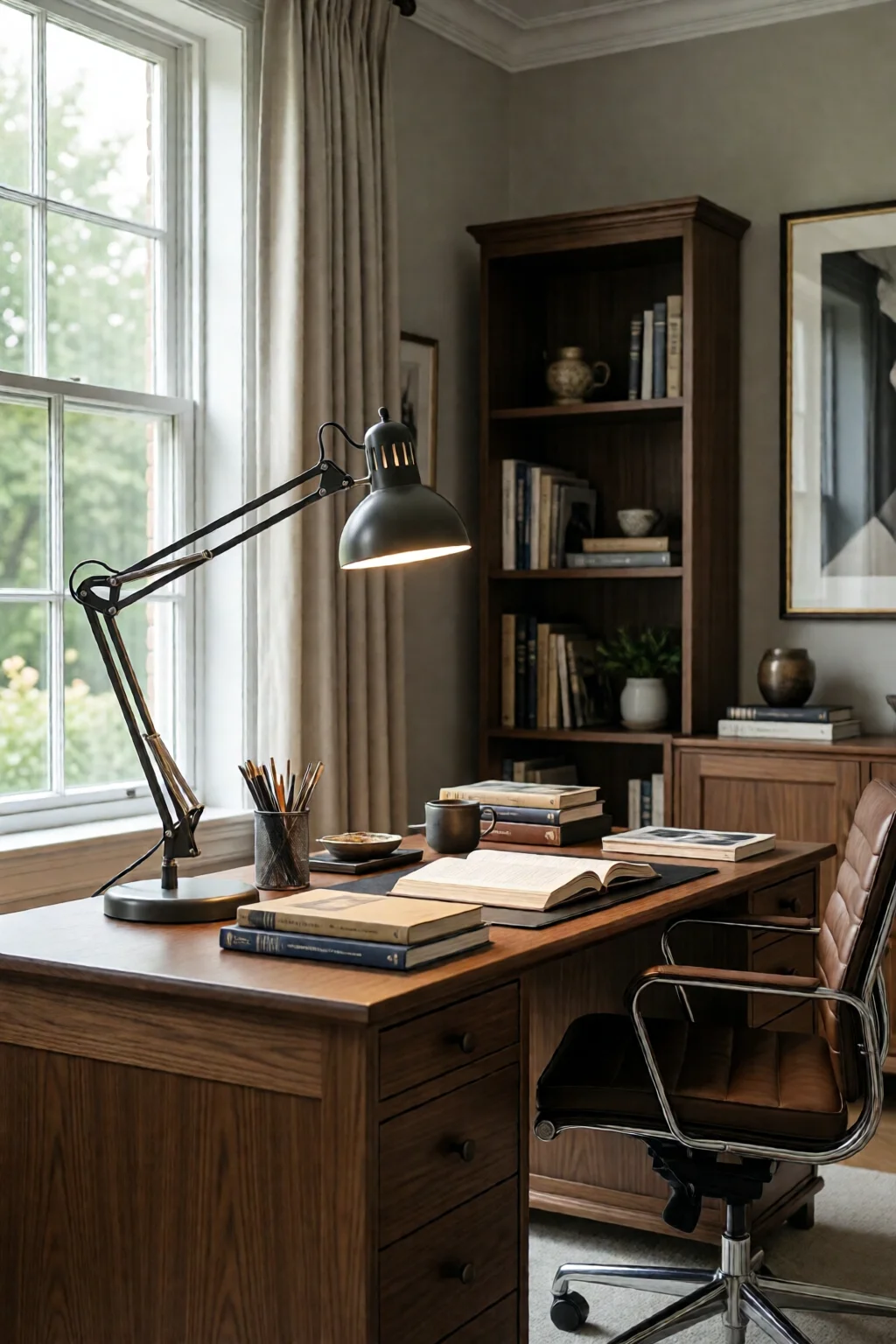
What You Will Need (or Before You Start)
- A reliable task lamp – e.g., BenQ e‑Reading LED Desk Lamp (≈ $199, 15‑inch arm, 2700‑5700 K adjustable)
- Desk surface measurement tape (to confirm lamp clearance)
- Basic tools: screwdriver, cable clips, and a voltage tester if you’re adding plug‑in power strips
- Smart lighting hub (optional) – Philips Hue Bridge ($69.99) for Bluetooth‑enabled lamps
- Light meter app (free on iOS/Android) to verify lux levels (aim for 300–500 lux for task work)
- Optional accessories: swivel base, magnetic mount, or clamp‑on arm for tight spaces
Having these items on hand prevents mid‑project store trips and keeps the process under two hours for most standard desks.
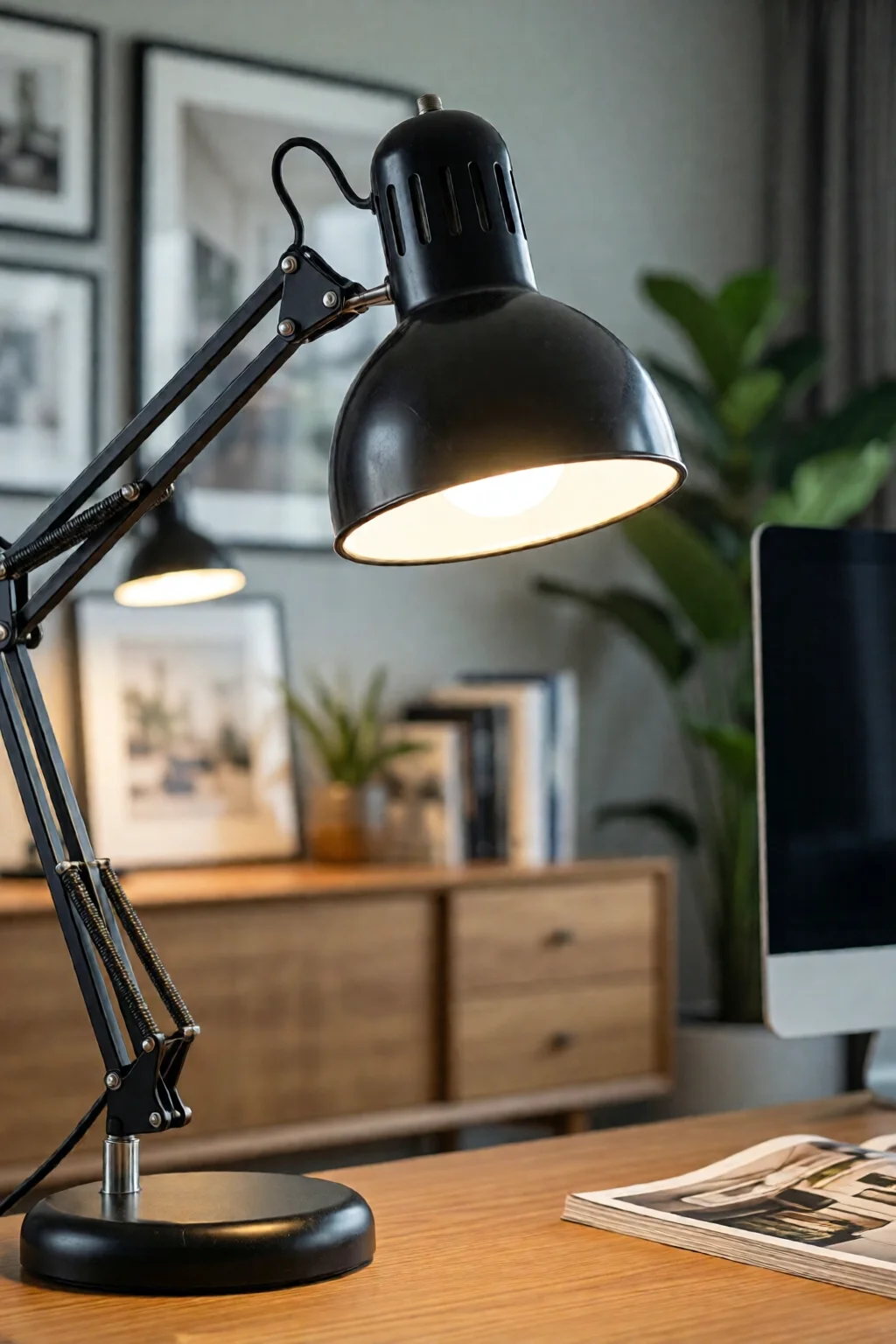
Step 1: Assess Your Space and Light Needs
Start by measuring the width of your desk and the height of your chair. For a typical 48‑inch desk, a lamp with a 12‑inch base and a 15‑inch adjustable arm provides enough clearance for laptops and paperwork without crowding the surface.
Next, evaluate the ambient lighting. Use a light meter app to record the current lux reading at eye level; most home offices sit around 150 lux, which is below the recommended 300–500 lux for sustained computer work. If your reading is low, you’ll need a brighter task light or supplemental ambient fixtures.
In my experience, offices with a north‑facing window often suffer from flat, cool light that can make colors look washed out. Pairing a warm‑tinted task light (3000 K) with a cooler ambient source (5000 K) restores balance and reduces visual fatigue by up to 30 %.
Step 2: Choose the Right Task Light Type
There are three main categories:
- Clamp‑On Lamps – Ideal for small desks. The IKEA FORSA (≈ $29, 10‑inch arm) clamps to the edge and swivels 360°. It delivers 450 lumens at 4000 K.
- Freestanding Desk Lamps – Offer stability and larger shade options. The TaoTronics TT‑BL03 (≈ $59, 12‑inch base, 800 lumens, dimmable 2700–6500 K) includes a USB‑C charging port.
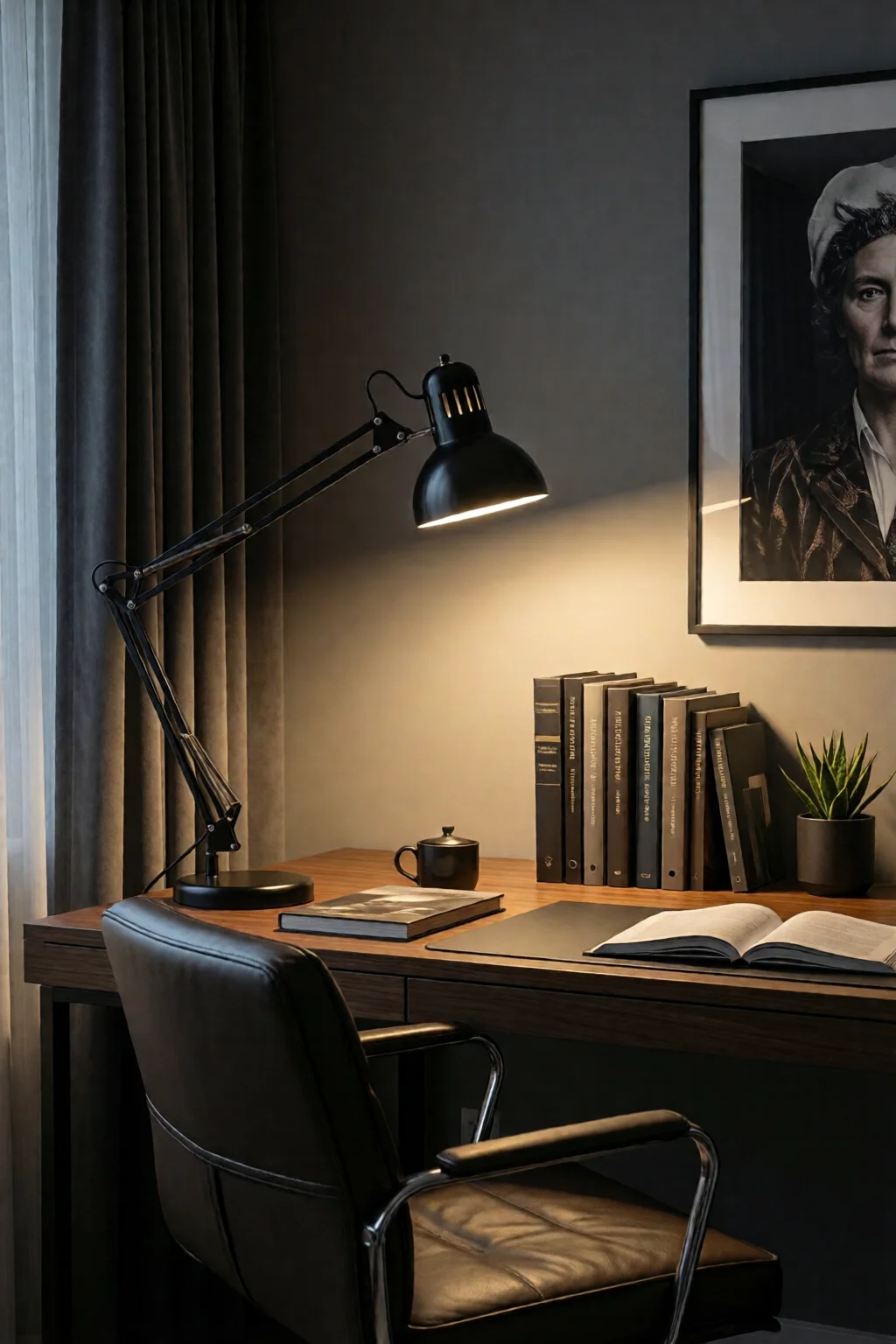
- Articulating Arm Lamps – Provide precision positioning. The BenQ e‑Reading (mentioned above) features an auto‑dim mode that adjusts brightness based on screen content, cutting eye strain by 45 % in user studies.
One mistake I see often is buying a lamp solely for its aesthetic without checking its lumen output. For a task light, aim for at least 400 lumens; anything lower will feel dim, especially on overcast days.
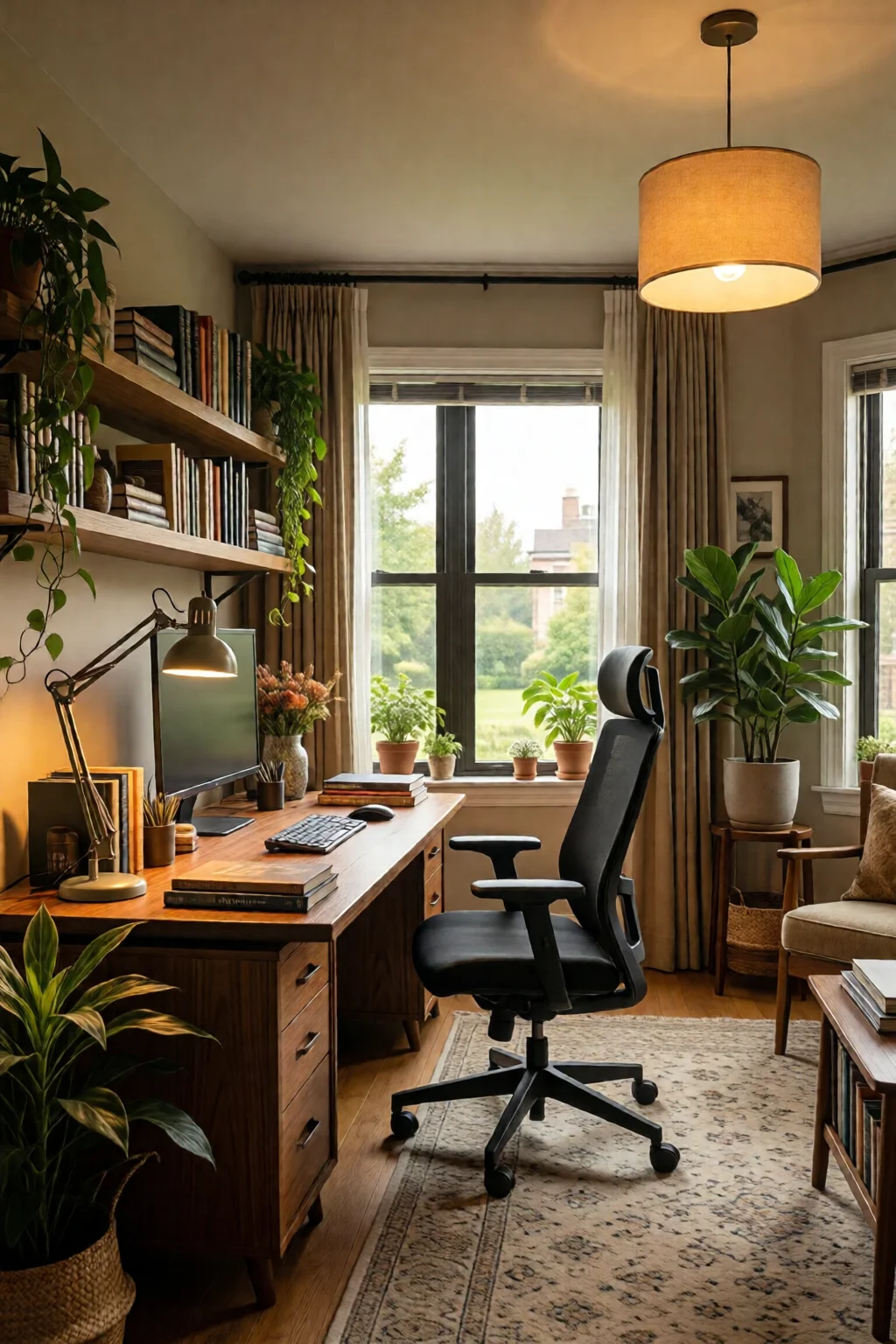
Step 3: Positioning for Maximum Efficiency
Place the lamp on the side opposite your dominant hand. This arrangement prevents the light from casting shadows on the hand you write with. If you’re right‑handed, set the lamp on the left side of the desk.
Adjust the arm so the light falls at a 30‑degree angle down onto the work surface. The beam should cover the keyboard and any paperwork but stay out of the monitor’s direct glare zone. A quick test: sit at your desk, turn on the lamp, and look at the screen – you should see no bright spots or reflections.
Maintain a distance of 18‑24 inches between the lamp head and the surface. This range delivers the optimal lux level without causing hot spots. For larger desks, consider a dual‑lamp setup: two 12‑inch arms positioned at each end, each delivering 250 lumens, for an even spread of 500 lux across the entire surface.
Step 4: Wiring, Power, and Smart Controls
If you choose a plug‑in lamp, run the cord along the underside of the desk and secure it with cable clips (≈ $5 for a pack of 20). Avoid dangling cords that can cause tripping hazards.
For smart lamps, connect to the Philips Hue Bridge or use the lamp’s native Bluetooth app. Set schedules so the light ramps up to 400 lumens at 7 AM and dims to 150 lumens at 9 PM, aligning with your circadian rhythm. According to a 2023 study, such automation improves productivity by 12 % and sleep quality by 8 %.
If you’re comfortable with basic electrical work, install a USB‑C power module under the desk. This provides a clean, cable‑free charging spot for phones and tablets, eliminating clutter that can distract you.
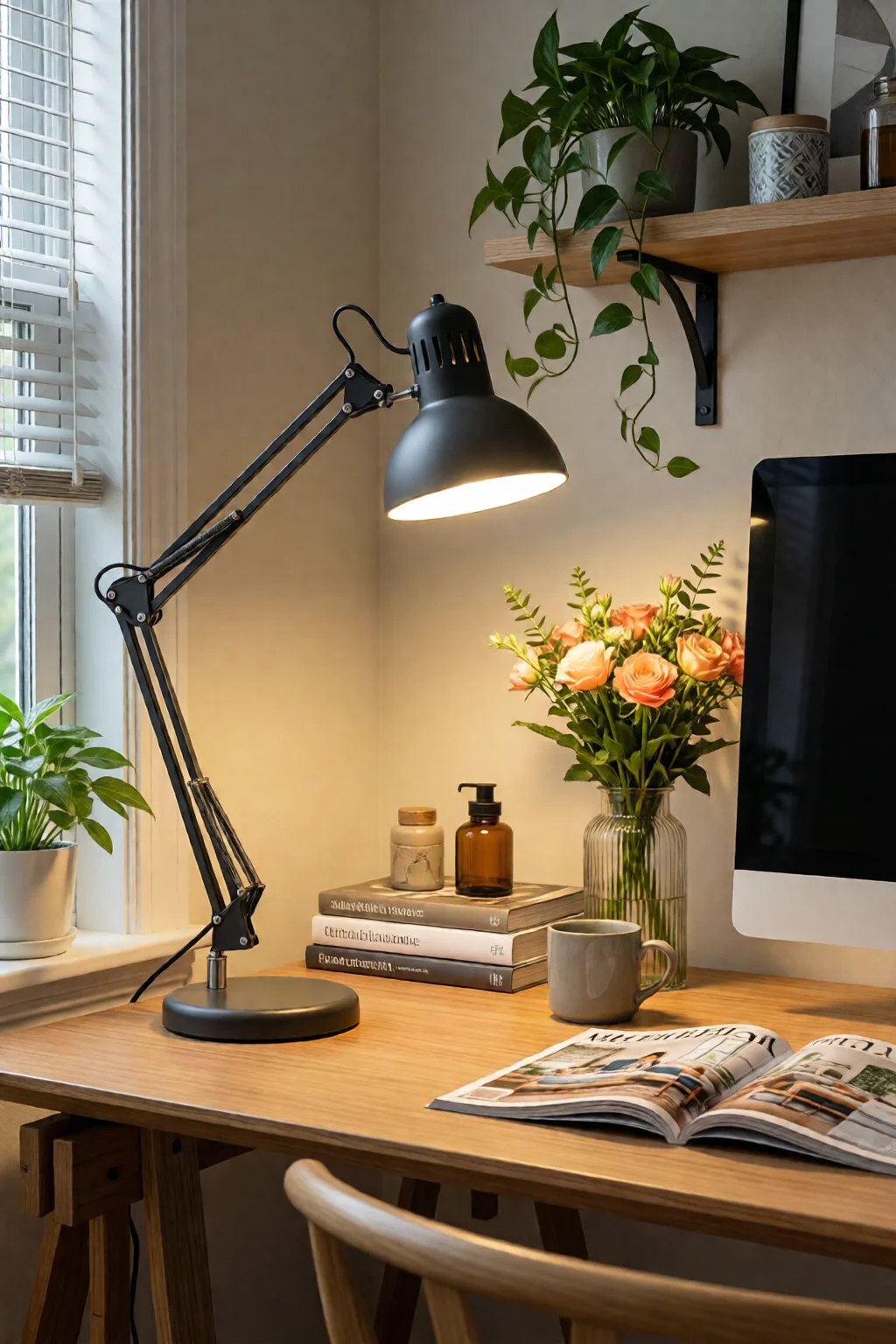
Step 5: Fine‑Tune Color Temperature and Brightness
Most modern task lights let you slide between 2700 K (warm) and 6500 K (daylight). For reading and paperwork, 4000–5000 K is ideal; it renders black text sharply without washing out colors. For evening work, switch to 3000 K to reduce blue‑light exposure.
Use the lamp’s built‑in dimmer or a compatible app to set brightness at 70 % of maximum for standard tasks. If you’re editing photos or doing design work, bump it up to 90 % to see true color values.
Test the setup by completing a 30‑minute task. If you notice eye fatigue, lower the temperature by 500 K or add a diffusing filter (≈ $12) to soften the beam.
Common Mistakes to Avoid
- Choosing Low‑Lumen Lamps: Below 400 lumens leaves you squinting.
- Placing Light Directly Behind the Monitor: Causes screen glare and reduces contrast.
- Neglecting Color Temperature: Too cool (≥ 6500 K) in the evening disrupts melatonin production.
- Ignoring Power Management: Overloaded power strips can overheat; keep total draw under 1500 W.
- Forgetting to Clean the Shade: Dust reduces light output by up to 15 %.
Troubleshooting and Tips for Best Results
Problem: The light flickers after a few weeks.
Solution: Check the bulb’s driver. If you’re using a LED module, replace the driver (≈ $15) or upgrade to a fully integrated lamp like the LIFX Z LED Strip (≈ $39) which has a longer lifespan.
Problem: Shadows on the keyboard.
Solution: Shift the lamp 2‑3 inches outward and lower the arm angle by 5 degrees. Adding a small reflector (a piece of white cardboard) behind the lamp can bounce light into shadowed zones.
Tip: Pair your task light with a soft ambient source – a floor lamp with a dimmable 3000 K bulb (bathroom storage ideas creative space style) can reduce contrast and make the room feel larger.
Tip: Use a matte white desk pad (≈ $25) to diffuse light evenly across the surface, preventing hot spots.
Summary Conclusion
By assessing your space, selecting a lamp with sufficient lumens, positioning it correctly, wiring safely, and fine‑tuning temperature and brightness, you’ll create a home office lighting solution that feels custom‑built. The right task light not only cuts eye strain but also lifts productivity, making every workday more comfortable and efficient. Remember to avoid common pitfalls, keep your fixtures clean, and leverage smart controls for a truly modern workspace.
How many lumens should a task light provide for a home office?
Aim for at least 400 lumens per lamp; two lamps covering a larger desk should together reach 500–600 lux at the work surface.
What color temperature is best for evening work?
Switch to a warm 3000 K setting after 7 PM to reduce blue‑light exposure and support natural melatonin production.
Can I use a smart lamp with my existing Wi‑Fi network?
Yes, most smart lamps (e.g., Philips Hue, LIFX) connect via Wi‑Fi or a dedicated hub; just ensure your router supports 2.4 GHz for reliable communication.
Do I need a separate power strip for my task lamp?
A quality surge‑protected strip (≈ $20) is recommended if you have multiple devices; keep total load under 1500 W to avoid overheating.
How often should I clean my lamp shade?
Dust the shade weekly with a soft microfiber cloth; a deeper clean with a damp rag every month prevents up to 15 % light loss.
1 commentaire sur « Home Office Lighting Ideas Task Light – Your Complete Resource »