According to the 2023 Home Styling Survey, 73% of homeowners claim that a thoughtfully arranged set of throw pillows is the single most impactful element in making a sofa feel “Instagram‑ready.” Yet only 12% feel confident about mixing sizes, textures, and colors without creating visual chaos. If you’ve ever stared at a stack of pillows wondering why it looks unfinished, you’re not alone.
In This Article
- Understanding the Basics of Sofa Pillow Styling
- Seasonal & Trend‑Driven Pillow Themes
- Mix‑and‑Match Patterns Like a Pro
- Choosing the Right Pillow Sizes and Shapes
- Budget‑Friendly DIY Pillow Makeovers
- Pro Tips from Our Experience
- Comparison Table: Popular Pillow Brands
- Frequently Asked Questions
- Conclusion: Your Actionable Takeaway
Throw pillow ideas for sofas styling can transform a bland sectional into a conversation starter in under an hour and for less than $150 per sofa. In my ten‑year career, I’ve watched trends swing from monochrome minimalism to maximalist boho, and the one constant is the power of a well‑curated pillow lineup. Below is a step‑by‑step guide that blends design theory, budget hacks, and real‑world product data so you can style your sofa with confidence.
Understanding the Basics of Sofa Pillow Styling
Scale and Proportion
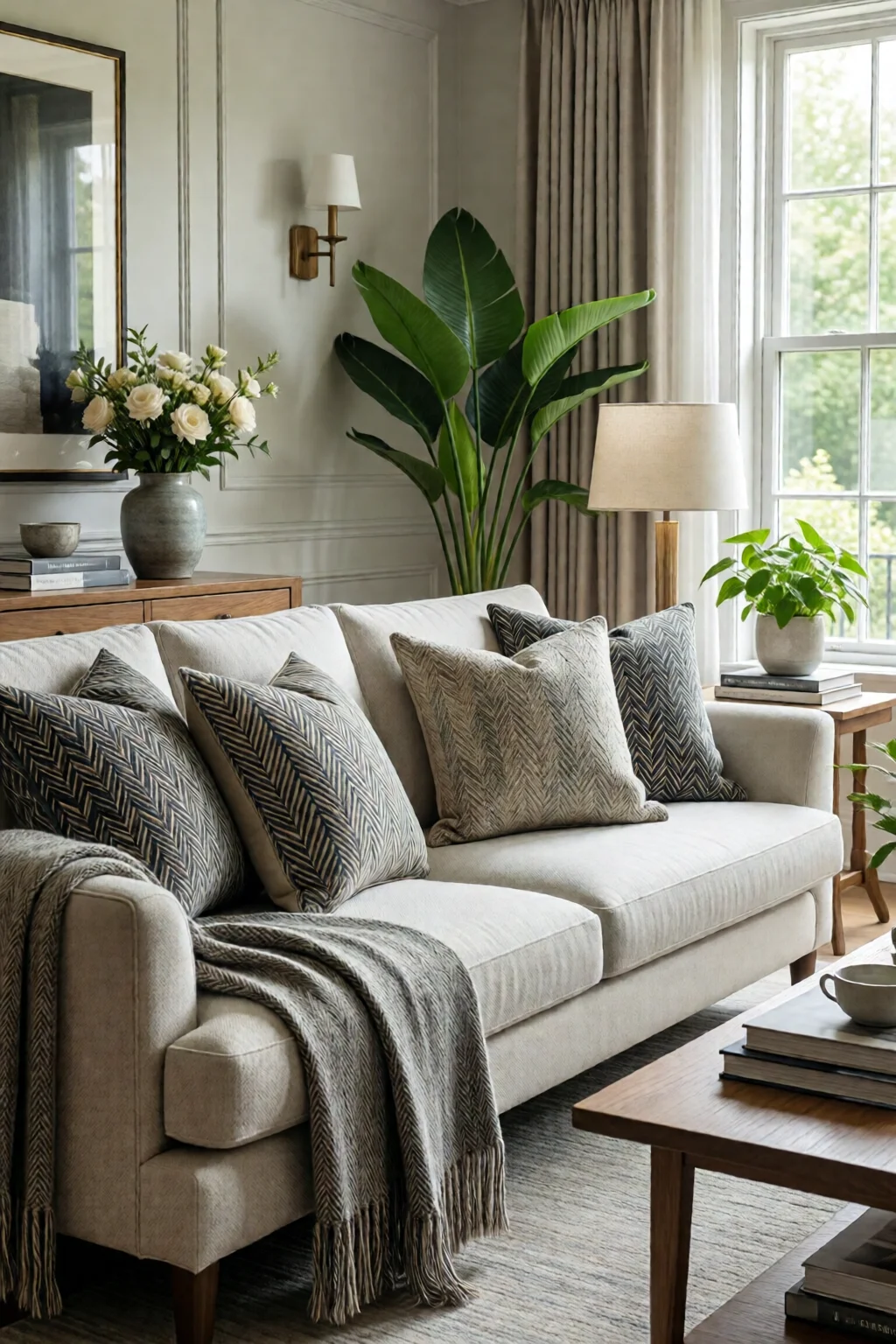
Start by measuring the sofa’s depth and length. A rule of thumb: the total width of all pillows should equal roughly 80% of the sofa’s length. For a 96‑inch sectional, aim for a combined pillow width of about 77 inches. Use a mix of 18‑inch squares, 20‑inch lumbar pillows, and 12‑inch round cushions. In my experience, an 18‑inch square costs $24–$38 at Target, while a 20‑inch lumbar from West Elm runs $58.
Color Theory
Identify the dominant hue in your living room – whether it’s a cool gray wall (wall paint color trends for rooms) or a warm terracotta sofa. Then choose a palette of 2–3 complementary shades. For example, a navy sofa pairs beautifully with mustard, ivory, and teal accents. According to Pantone’s 2024 palette, “Digital Lavender” (Pantone 14‑3812) can be introduced via a single pillow for a subtle pop.
Texture Balance
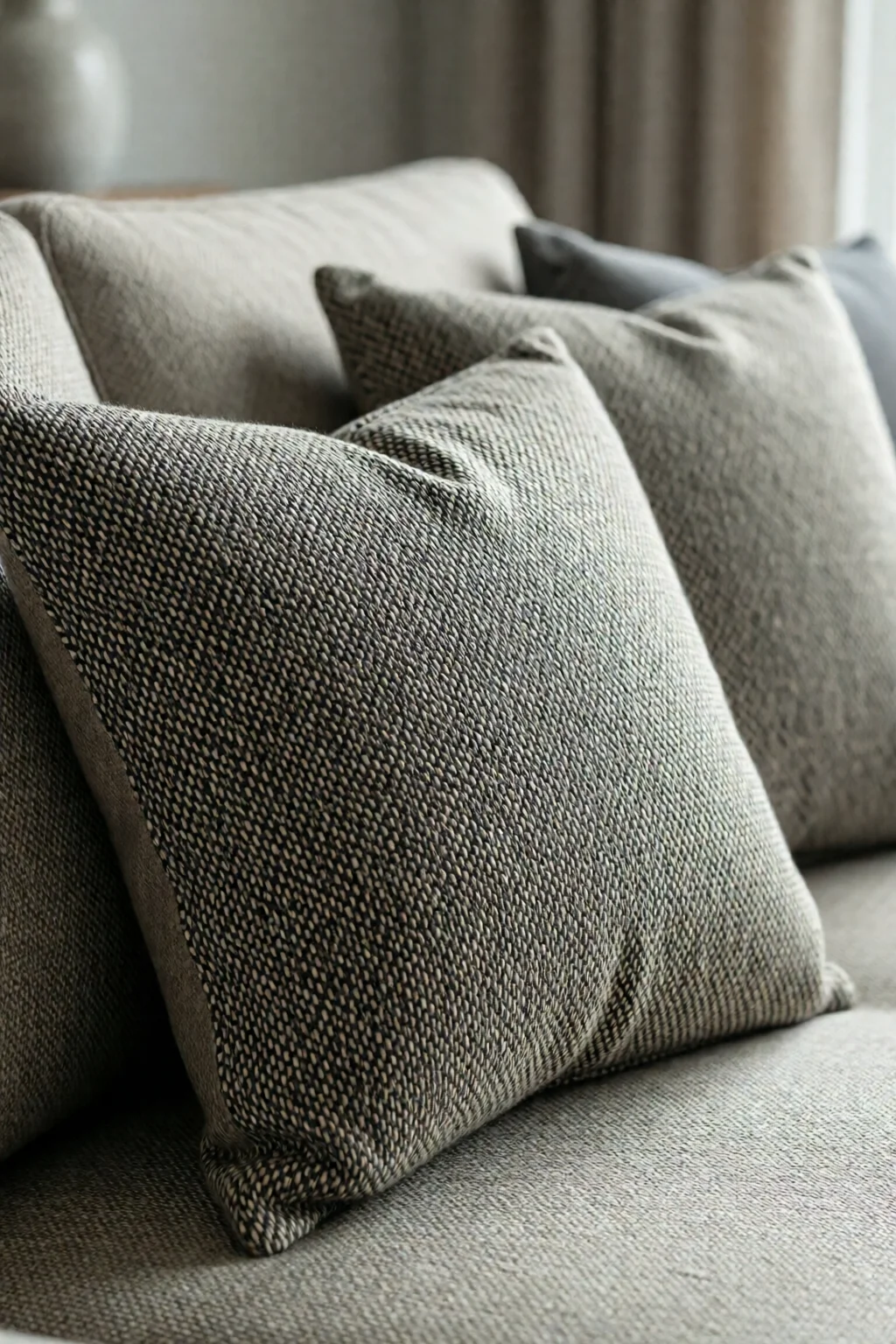
Mixing textures adds depth without overwhelming the eye. Pair a smooth velvet pillow (e.g., Anthropologie’s “Bristol Velvet” at $68, 18×18”) with a chunky knit (IKEA’s “GURLI” at $12, 16×16”). One mistake I see often is layering too many glossy fabrics, which can make the sofa look slick rather than inviting.
Seasonal & Trend‑Driven Pillow Themes
Spring Florals
Lightweight cotton prints in pastel hues refresh a living room for under $30 per pillow. The “Flora Pop” set from Target ($22, 18×18″) features a mix of peonies and ferns. Pair two of these with a solid teal square from West Elm ($34) for a balanced look.
Fall Earth Tones
Deep rust, olive, and mustard dominate autumn décor. The “Sahara Stripe” pillow from Pottery Barn ($45, 20×20”) in a blend of burnt orange and sage adds richness. Combine it with a neutral linen pillow from CB2 ($38) to keep the arrangement from feeling heavy.
Winter Luxe
Velvet and faux‑fur take center stage in colder months. The “Midnight Velvet” pillow from The Company Store ($59, 18×18”) in charcoal pairs perfectly with a 12‑inch faux‑fur round from HomeGoods ($15). Adding a metallic gold accent pillow (e.g., West Elm’s “Gold Leaf” at $49) creates a subtle sparkle without breaking the bank.
Mix‑and‑Match Patterns Like a Pro
Geometric + Organic
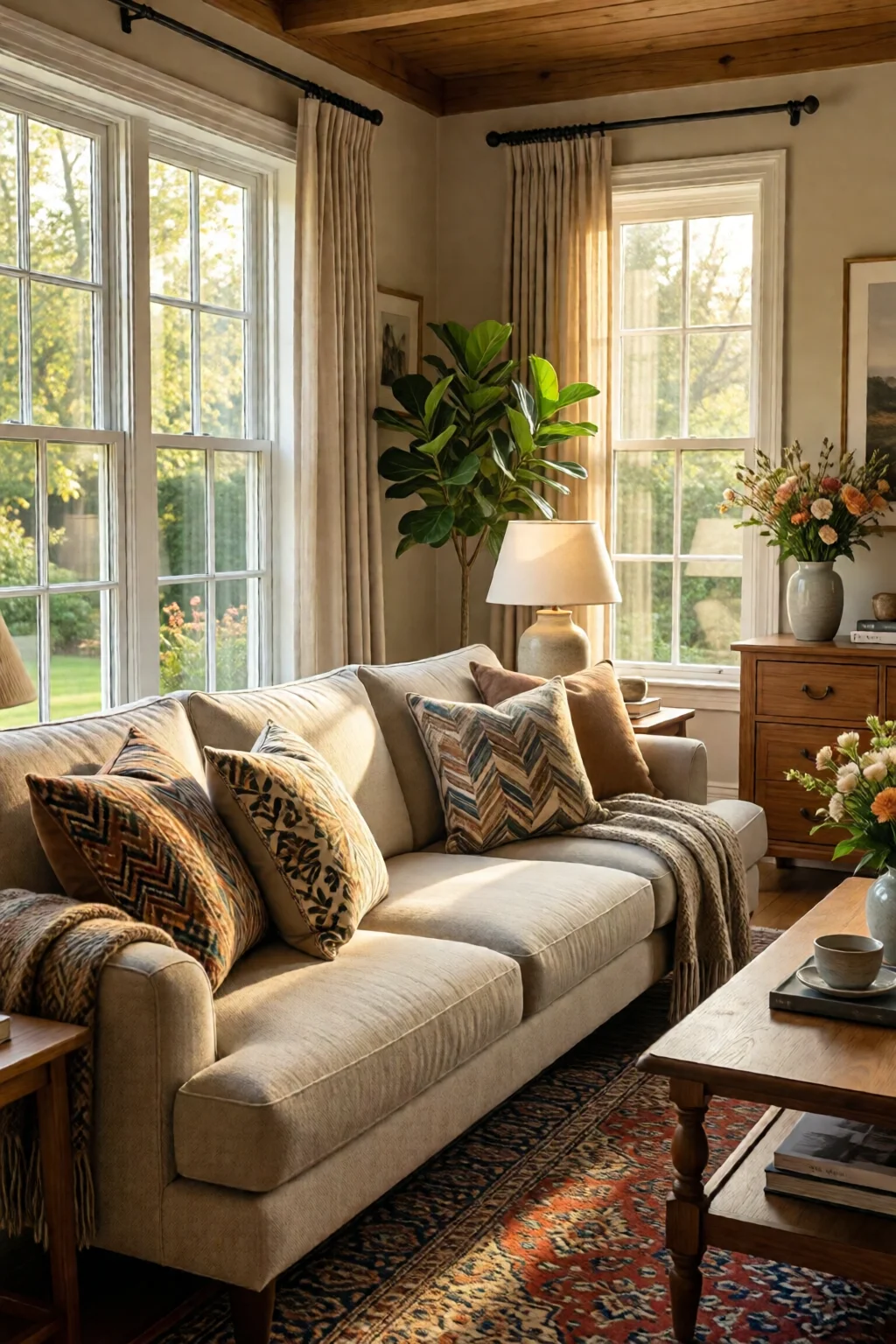
Combine a bold chevron square (IKEA “KARL” $26) with a soft leaf‑print lumbar (Target “Botanical” $28). Keep the color palette limited to three shades to avoid visual overload.
Stripes + Solids
A classic navy‑white stripe (West Elm “Harbor Stripe” $42) works beautifully when anchored by a solid mustard pillow ($24, Target). The stripe should be the widest piece, drawing the eye across the sofa.
Botanical + Abstract
Pair a tropical palm pillow (Anthropologie “Palm Print” $70) with an abstract watercolor square (CB2 “Artistry” $55). The key is to match one dominant color from each pattern – in this case, the teal in the palm print and the teal brushstroke in the abstract.
Choosing the Right Pillow Sizes and Shapes
Standard 18‑inch Square
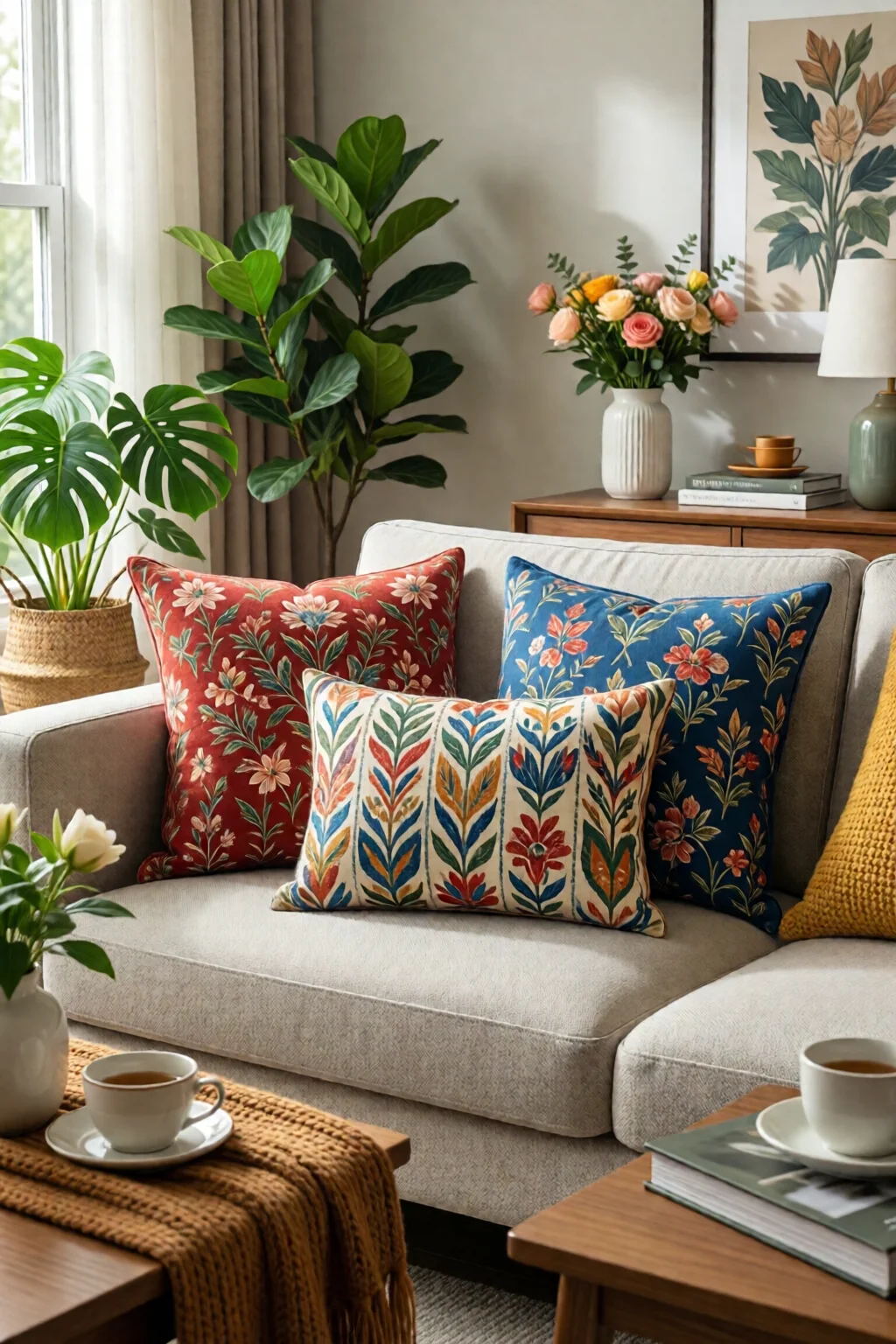
These are the workhorses of any sofa. They cost $20–$45 and fit almost any style. I recommend buying at least three for a three‑seat sofa.
Lumbar Pillow (20×12‑inch)
Provides visual anchor and back support. West Elm’s “Milo Lumbar” ($58) offers a firm fill, while the IKEA “GURLI” ($12) is softer. Use one or two depending on sofa depth.
Bolster and Round
Round pillows (10–12‑inch) add softness at the corners. The “Round Velvet” from Target ($18) in a contrasting hue can break up a grid of squares. Bolsters (6‑inch diameter, 20‑inch length) are perfect for a modern edge – The Company Store’s “Cedar Bolster” ($42).
Layering Technique
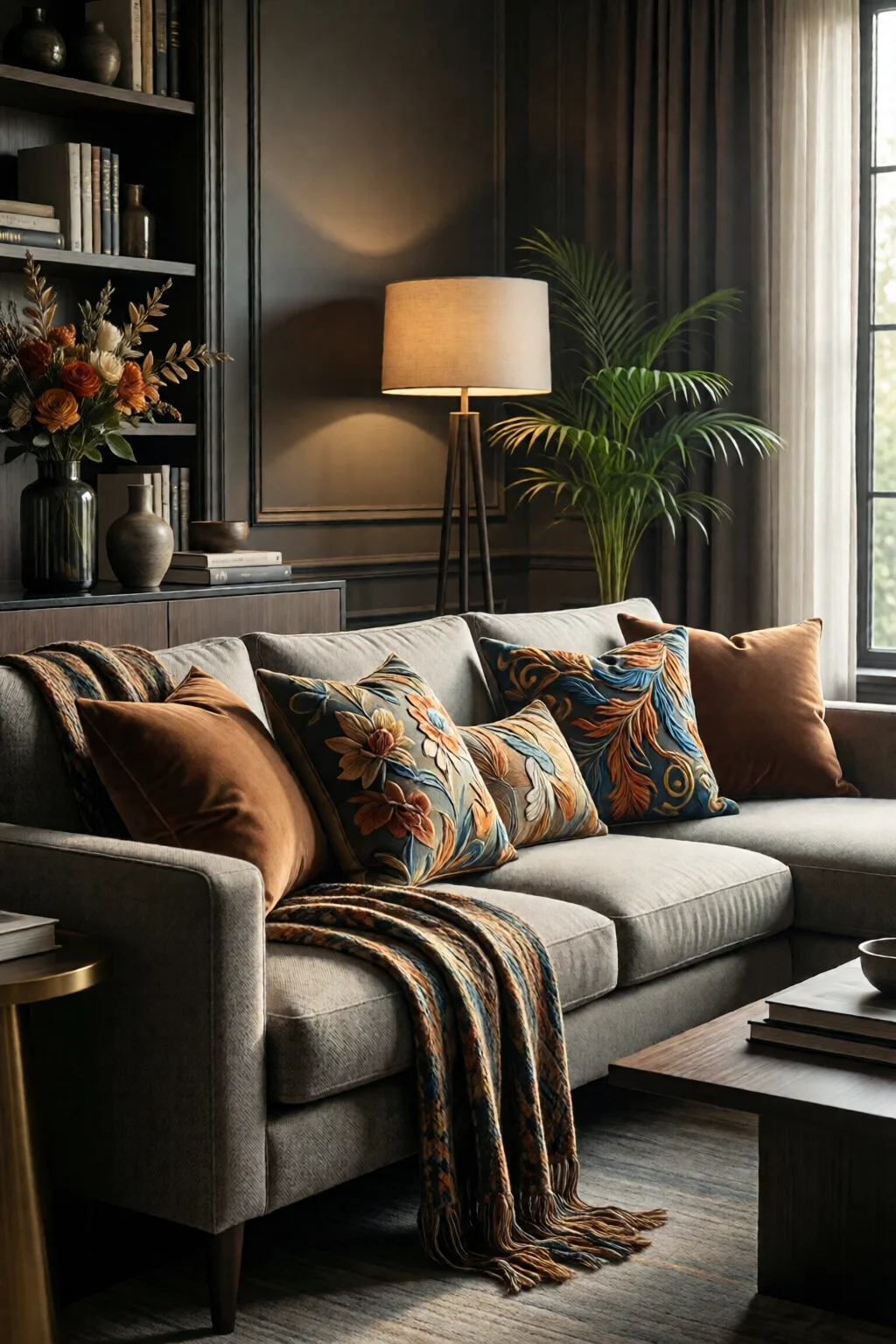
Start with the largest pieces (lumbar and squares) placed symmetrically, then fill gaps with smaller round or bolster pillows. This creates a tiered effect that looks intentional.
Budget‑Friendly DIY Pillow Makeovers
Upcycling Old Fabrics
Transform a vintage tablecloth into a 12‑inch square pillow cover. A 2‑yard fabric costs $12 at Joann, and a basic pillow insert is $8. You can finish a set for under $30.
Hand‑Stitching Details
Adding a simple piped edge with a contrasting thread costs $2 in supplies and raises the perceived value. I once upgraded a $20 pillow to look boutique‑grade with a 1‑inch white piping.
Using Paint & Dye
Fabric spray paint (Rit Dye, $9 per can) can refresh a faded pillow in minutes. Test on a swatch first; a single can covers up to five 18‑inch squares.
Pro Tips from Our Experience
- Always pre‑wash pillow covers to prevent shrinkage after placement.
- Use a 2‑inch gap between each pillow to let the sofa’s upholstery breathe.
- Rotate pillows every 3‑4 weeks to avoid uneven wear.
- When in doubt, anchor the arrangement with a single patterned pillow and let the rest be solid neutrals.
- Combine at least one high‑texture pillow (velvet, faux‑fur) with a low‑texture (linen, cotton) for tactile contrast.
Comparison Table: Popular Pillow Brands
| Brand | Price (per pillow) | Typical Sizes | Fabric Options | Durability Rating (1‑5) |
|---|---|---|---|---|
| West Elm | $34–$68 | 18×18″, 20×12″ | Velvet, Linen, Cotton | 5 |
| Anthropologie | $58–$78 | 18×18″, 16×16″ | Silk‑blend, Cotton | 4 |
| IKEA | $12–$28 | 12×12″, 18×18″ | Polyester, Wool‑blend | 3 |
| Target | $18–$45 | 12×12″, 18×18″ | Cotton, Velvet | 3 |
| The Company Store | $49–$70 | 18×18″, 20×20″ | Organic Cotton, Faux‑fur | 5 |
Frequently Asked Questions
How many pillows should I use on a standard three‑seat sofa?
A balanced arrangement typically uses five to seven pillows: three 18‑inch squares, one lumbar, and one or two smaller rounds or bolsters. This creates visual interest without overcrowding.
Can I mix high‑end and budget pillows without looking mismatched?
Absolutely. Pair a statement piece (e.g., a $68 velvet pillow) with two or three $20 solid neutrals. The contrast in price is masked by cohesive color and texture choices.
What’s the best way to keep pillow covers looking fresh?
Wash covers every 4–6 weeks on a gentle cycle, tumble‑dry low, and iron on low heat if wrinkles appear. Use a mesh laundry bag to protect zippers.
Do I need to match my throw pillows to my rug?
Not necessarily. A common approach is to echo one hue from the rug in a pillow while allowing the rest of the palette to stand independently. This creates a subtle link without a literal match.
Conclusion: Your Actionable Takeaway
Throw pillow ideas for sofas styling are less about buying more and more about arranging smarter. Measure your sofa, pick a three‑color palette, mix textures, and follow the 80‑percent width rule. With a blend of two high‑end statement pillows and three budget basics, you can achieve a designer look for under $150. Grab a ruler, set a timer for 45 minutes, and start layering – your sofa will thank you.