Ever walked into a room and felt something was missing, even though the furniture and colors were perfect?
In This Article
- What You Will Need Before You Start
- Step 1 – Assess Light & Space
- Step 2 – Choose Plant Types for Each Room
- Step 3 – Pick Containers & Stands That Complement Your Style
- Step 4 – Arrange by Height, Texture, and Color
- Step 5 – Add Complementary Décor Elements
- Step 6 – Maintain, Rotate, and Refresh
- Common Mistakes to Avoid
- Tips for Best Results
- Frequently Asked Questions
- Summary
What You Will Need Before You Start
- Measuring tape (to gauge wall space and floor area)
- Light meter app or a simple “shadow test” (place a piece of paper on the floor; if the shadow moves quickly, you have bright light)
- Three to five plant containers – think IKEA SOCKER black ceramic (12 in × 12 in, $24) or West Elm Modern Planter (8 in diameter, $79.99)
- Potting mix appropriate for your chosen species (e.g., Espoma Organic Cactus Mix, $12 per 4 qt bag)
- Plant stands or wall‑mount brackets – The Sill Metal Plant Stand (15 in high, $49) works well for mid‑size foliage
- Optional decorative accessories: river rocks ($8 per 5 lb bag), macramé hangers ($15), LED grow lights ($29.99)
Having these items on hand keeps you from scrambling mid‑project and lets you focus on the creative decisions.
Step 1 – Assess Light & Space
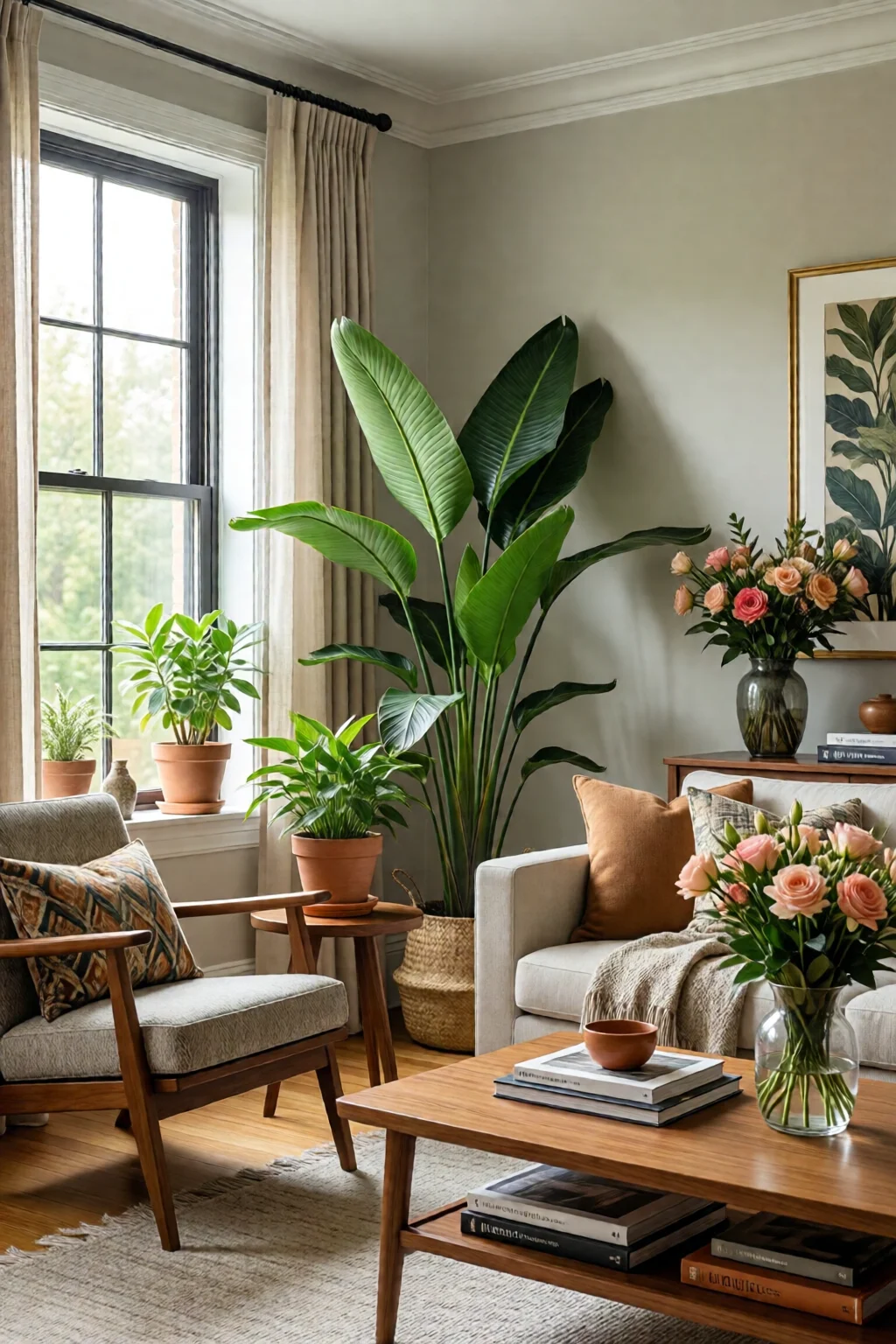
Start by standing in each room at three different times of day (morning, noon, evening). Use a light meter app on your phone; readings above 5,000 lux indicate bright indirect light, 1,000–5,000 lux is moderate, and below 1,000 lux is low. Document the square footage and note any windows, skylights, or artificial fixtures.
In my experience, a 10 ft × 12 ft living room with a north‑facing window typically supports low‑light tolerant plants like the ZZ Plant (Zamioculcas zamiifolia) or Snake Plant (Sansevieria trifasciata). A sun‑filled kitchen (south‑facing, 8 ft × 10 ft) can handle a Costa Farms Fiddle Leaf Fig (up to 6 ft tall, $199).
Step 2 – Choose Plant Types for Each Room
Match the plant’s light requirement to the room’s light profile. Below is a quick reference:
| Room | Light Level | Best Plants (Size, Price) |
|---|---|---|
| Living Room | Bright indirect | Monstera deliciosa 2‑ft, $89; Bird’s Nest Fern 12‑in, $22 |
| Bedroom | Low to moderate | Pothos (Golden) 3‑ft trailing, $30; Peace Lily 18‑in, $35 |
| Bathroom | High humidity, low light | Boston Fern 18‑in, $28; Spider Plant 12‑in, $18 |
| Home Office | Artificial light | ZZ Plant 12‑in, $45; Succulent mix 6‑in, $25 |
One mistake I see often is buying a large fiddle‑leaf fig for a windowless hallway—its roots will suffer, and you’ll end up with a sad plant.
Step 3 – Pick Containers & Stands That Complement Your Style
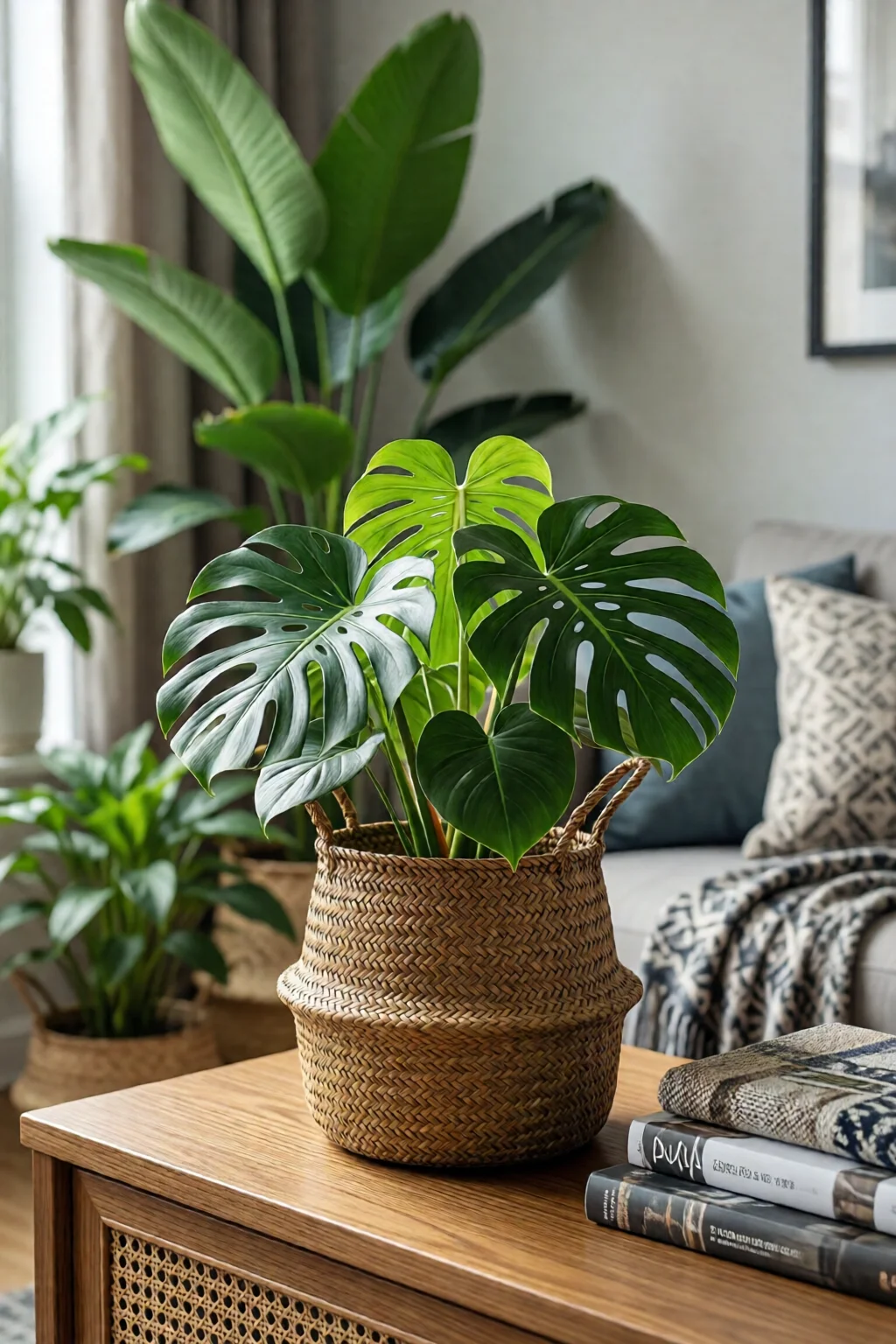
Think of containers as the frame for your artwork. If your décor leans modern, choose matte black or brushed steel planters; for boho, opt for woven macramé hangers or terracotta pots with a glazed finish.
Measure the width of any floating shelves you already have. A 24 in wide DIY floating shelf can comfortably hold two 12‑in pots side by side, leaving a 2‑in gap for a decorative tray.
When using floor‑standing planters, ensure the base is at least 6 in wide for stability. I recommend the Lechuza Balconera self‑watering pot (14 in diameter, $119) for larger foliage—it reduces watering frequency by up to 30 %.
Step 4 – Arrange by Height, Texture, and Color
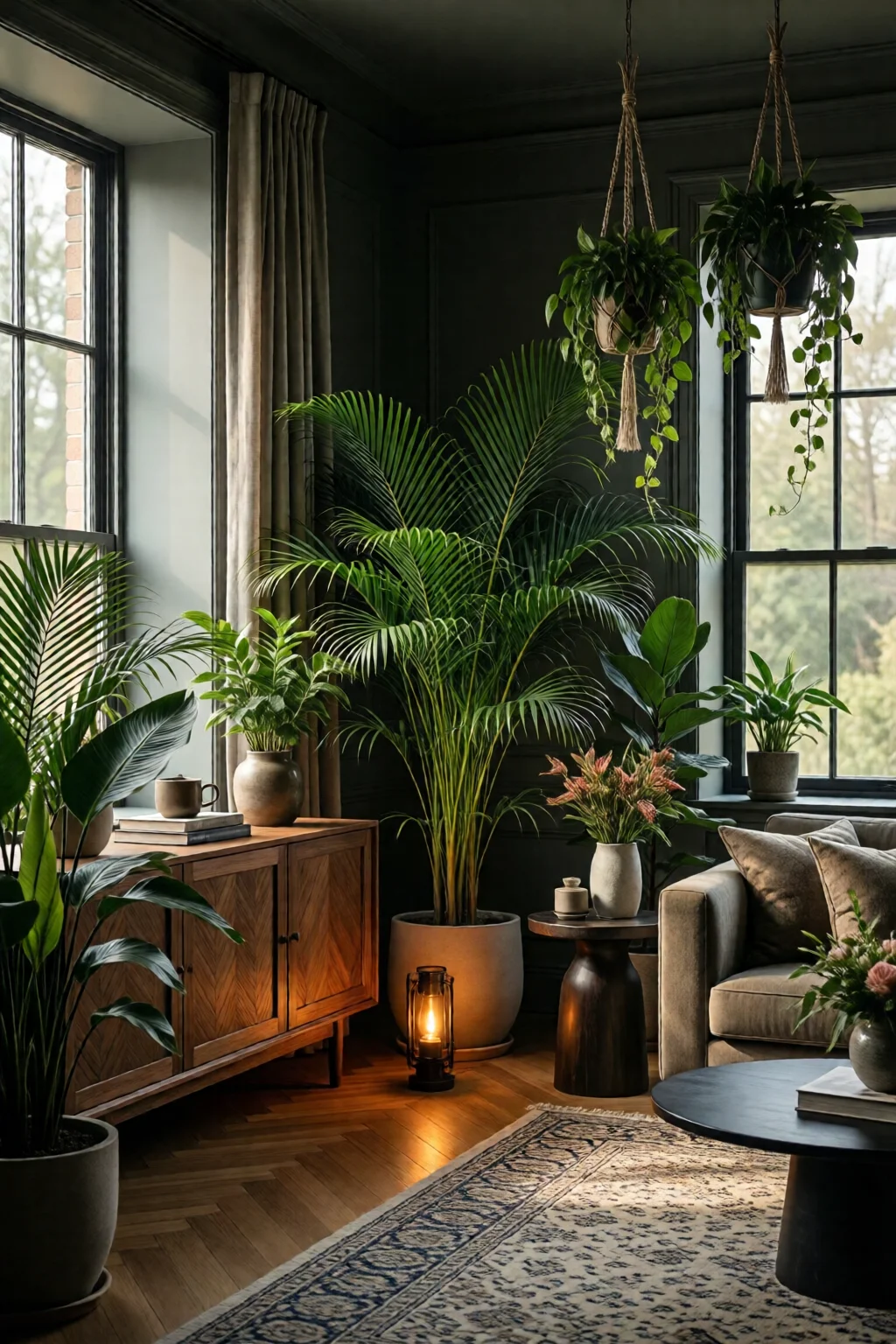
Start with the tallest plant at the back or center of a grouping, then step down in height. This creates visual flow and prevents taller leaves from hiding smaller ones. For example, place a 5‑ft Monstera in the corner of the living room, a 2‑ft Bird’s Nest Fern in front, and a 10‑in pothos trailing over a side table.
Mix leaf shapes: the split leaves of a Monstera contrast nicely with the round, glossy leaves of a Rubber Plant (Ficus elastica). Add a splash of color with a variegated String of Pearls in a hanging basket.
If you’re working with a narrow hallway, line the wall with a series of 6‑in Cerámicas Valencia white pots on a slim metal rail (12 in × 2 in, $45 total). The repetitive rhythm adds interest without crowding.
Step 5 – Add Complementary Décor Elements
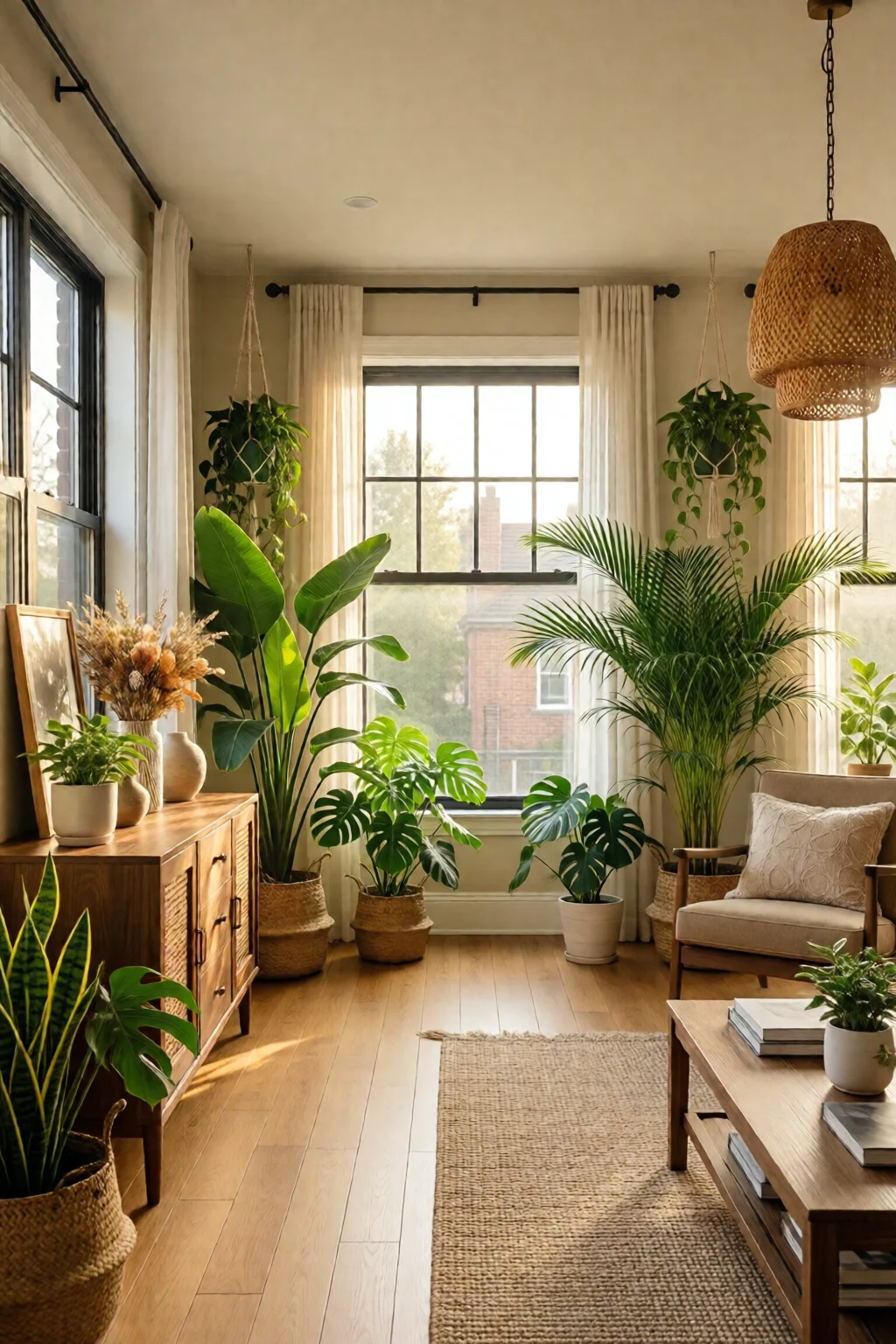
Plants look more polished when they sit on a defined surface. Use a pebble tray (e.g., River Stone Tray, 12 in × 12 in, $15) under a large pot to catch excess water and add texture. A woven jute mat (24 in × 24 in, $22) works well under a floor plant group.
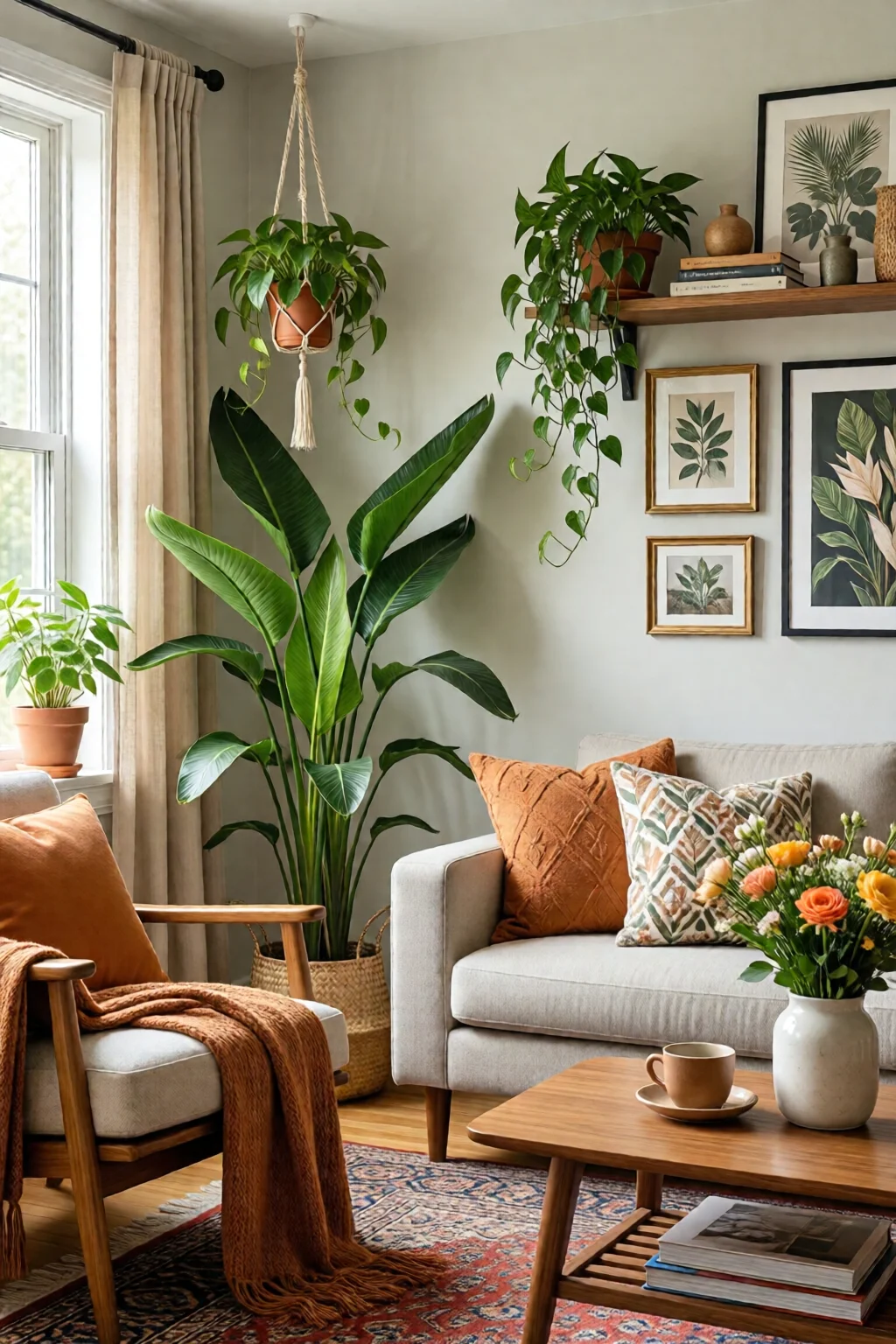
In rooms with high ceilings, install a macramé plant hanger (12‑in diameter, $18) to draw the eye upward. For a bathroom, a sleek glass shelf with a small LED grow light (5 W, $29.99) can spotlight a Boston Fern while providing extra humidity.
Don’t forget the power of scent. A few drops of eucalyptus essential oil on a decorative stone can give the space a fresh, spa‑like feel without overpowering the natural plant aroma.
Step 6 – Maintain, Rotate, and Refresh
Watering schedule varies by species: succulents need moisture every 2–3 weeks, while tropical ferns prefer weekly watering with room‑temperature water. Use a moisture meter (e.g., XLUX Soil Moisture Sensor, $9) to avoid over‑watering.
Rotate each plant 90° every two weeks. This ensures even light distribution and prevents one side from becoming leggy. Dust leaves with a soft brush monthly; a clean leaf surface photosynthesizes more efficiently.
If a plant outgrows its pot (usually when roots circle the pot’s edge), repot into a container 2‑in larger. In my studio, I moved a 3‑ft Monstera from a 12‑in pot to a 14‑in pot for $30, and its growth spurt was noticeable within three weeks.
Common Mistakes to Avoid
- Ignoring Light Levels: Placing a sun‑loving cactus on a north‑facing wall leads to etiolation (stretchy, weak stems).
- Over‑watering: Most indoor plants die from soggy roots, not drought. Stick to the “dry‑to‑touch” rule for succulents.
- Choosing the Wrong Pot Size: Too large a pot holds excess soil that retains water, fostering root rot.
- Neglecting Humidity: Ferns and peace lilies thrive at 50‑60 % humidity; a simple pebble tray or a small humidifier (e.g., TaoTronics Cool Mist Humidifier, $39) solves the problem.
- Forgetting to Clean: Dust blocks stomata. A quick wipe with a damp cloth keeps leaves healthy.
Tips for Best Results
– Group plants by water needs. Keep succulents on a sunny windowsill and tropicals together on a bathroom vanity.
– Use self‑watering pots for busy households; they reduce watering frequency by up to 40 %.
– Incorporate vertical space. A wall‑mounted entryway plant display can free floor area and make a dramatic first impression.
– Seasonal refresh. Swap out a trailing ivy for a flowering orchid during spring to add a pop of color without changing the overall layout.
– Lighting upgrades. If natural light is limited, add a LED full‑spectrum grow light (12 W, $45) above the plant group; it mimics daylight and boosts growth.
Frequently Asked Questions
How often should I water my indoor plants?
Most tropical plants need water once the top inch of soil feels dry (usually every 5–7 days), while succulents prefer a two‑week interval. Always check the specific care guide for each species.
Can I use regular garden soil for indoor pots?
No. Garden soil is too dense and may contain pests. Use a potting mix designed for indoor use, such as a peat‑based blend with perlite for drainage.
What are the best low‑light plants for a bedroom?
ZZ Plant, Snake Plant, and Peace Lily thrive in low‑light conditions and also help improve indoor air quality.
How do I prevent pests without chemicals?
Wipe leaves with a mixture of water and a few drops of dish soap, keep the area clean, and avoid over‑watering which creates a breeding ground for fungus gnats.
Summary
By evaluating light, selecting the right plant species, pairing them with appropriate containers, and arranging with thoughtful height and texture, you can turn any room into a vibrant, health‑boosting oasis. Remember to keep an eye on watering, rotate your greens, and sprinkle in complementary décor elements. With these indoor plant decor ideas for rooms, you’ll not only elevate your interior style but also enjoy the proven mental‑wellness benefits of living greenery.