There’s something oddly satisfying about a well‑styled shelf that turns a plain wall into a personal gallery. When you nail the right living room shelving ideas and displays, you instantly add depth, storage, and a conversation starter without overhauling the whole room.
In This Article
In my ten‑plus years of consulting on residential interiors, I’ve watched trends swing from heavy wood bookcases to airy floating ledges. The secret isn’t the price tag—it’s the choreography of objects, lighting, and proportion. Below you’ll find a step‑by‑step playbook that takes you from a blank wall to a curated showcase you’ll actually want to stare at every day.
Whether you’re working with a 10‑ft. wall in a loft, a cozy 7‑ft. nook in a suburban house, or a budget‑friendly studio, the principles stay the same: measure, style, balance, and repeat. Let’s dive in.
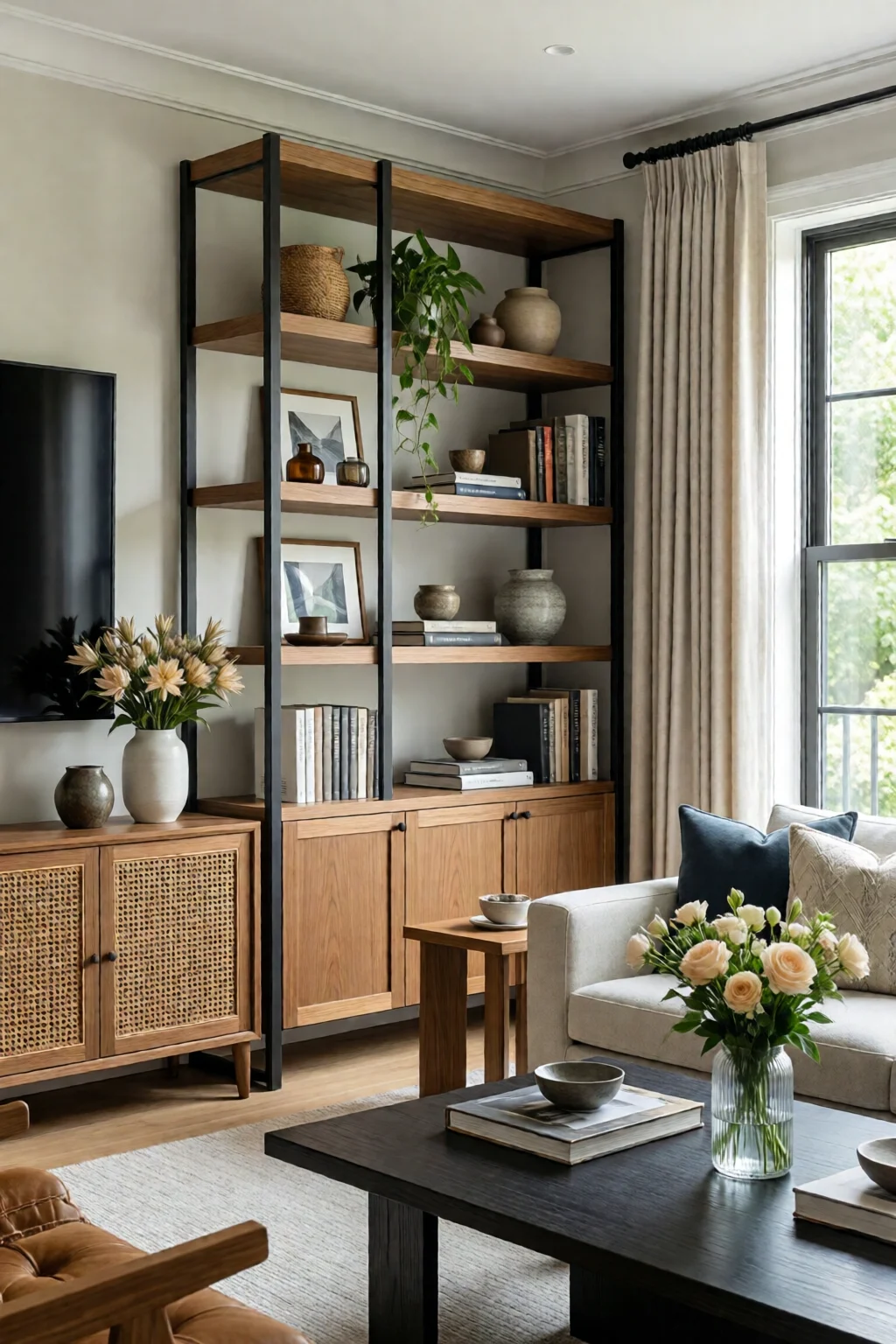
Assessing Your Living Room Layout
Measure wall space and traffic flow
Start with a tape measure. Write down the width, height, and any architectural interruptions (windows, radiators, outlets). A common mistake I see often is placing a shelf too low, forcing people to duck or bump into it. Aim for a midpoint that leaves at least 24‑in. of clearance from the floor to the bottom of the shelf, unless you’re installing a floor‑to‑ceiling unit in a built‑in wall.
Example: A 12‑ft. wall with a 9‑ft. ceiling can comfortably hold a 6‑ft. tall ladder shelf, leaving 3‑ft. of breathing room above for a piece of art.
Define functional zones
Ask yourself what each zone needs: books, décor, media equipment, or plants. Sketch a quick floor plan and assign “shelf zones” to each wall. This prevents the classic “everything on one shelf” overload and guides you toward a balanced layout.
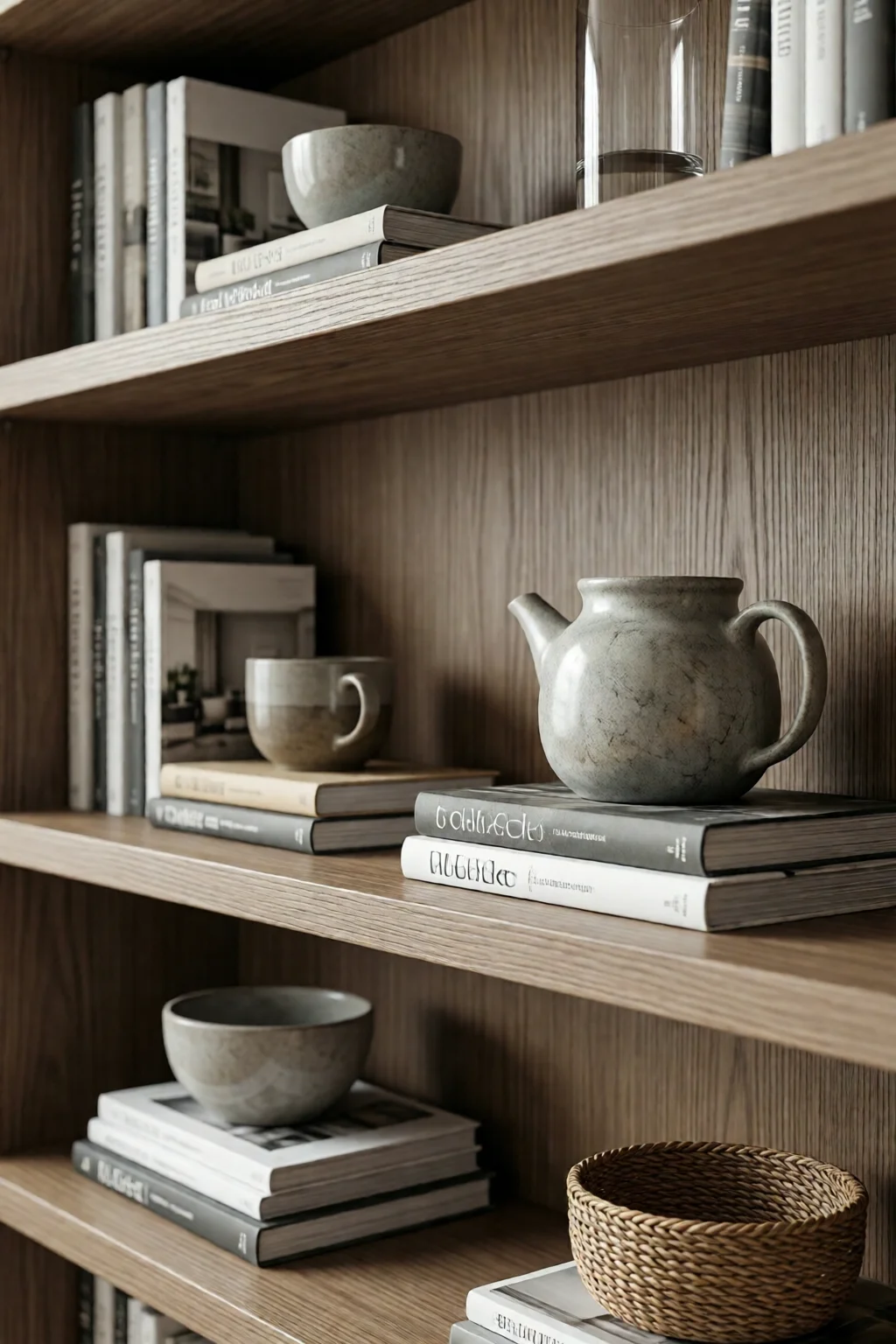
Timeless Shelving Styles
Floating shelves – sleek minimalism
Floating shelves are the go‑to for minimalist living room design ideas. A set of three 24‑in. × 10‑in. × 2‑in. walnut shelves from West Elm costs about $199 each, includes hidden brackets, and supports up to 30 lb. Install them 48‑in. from the floor for eye‑level display, then stagger the spacing (12‑in., 18‑in., 12‑in.) for visual rhythm.
Ladder shelves – vertical drama
Ladder shelves add height without permanent construction. The IKEA Kallax 4‑cube ladder (79 cm × 79 cm × 147 cm) is $149 and can be painted matte black for a modern twist. Load the bottom cube with larger items (a vintage record player, a tall vase) and the top with lighter décor to keep the center of gravity low.
Built‑in cabinetry – seamless integration
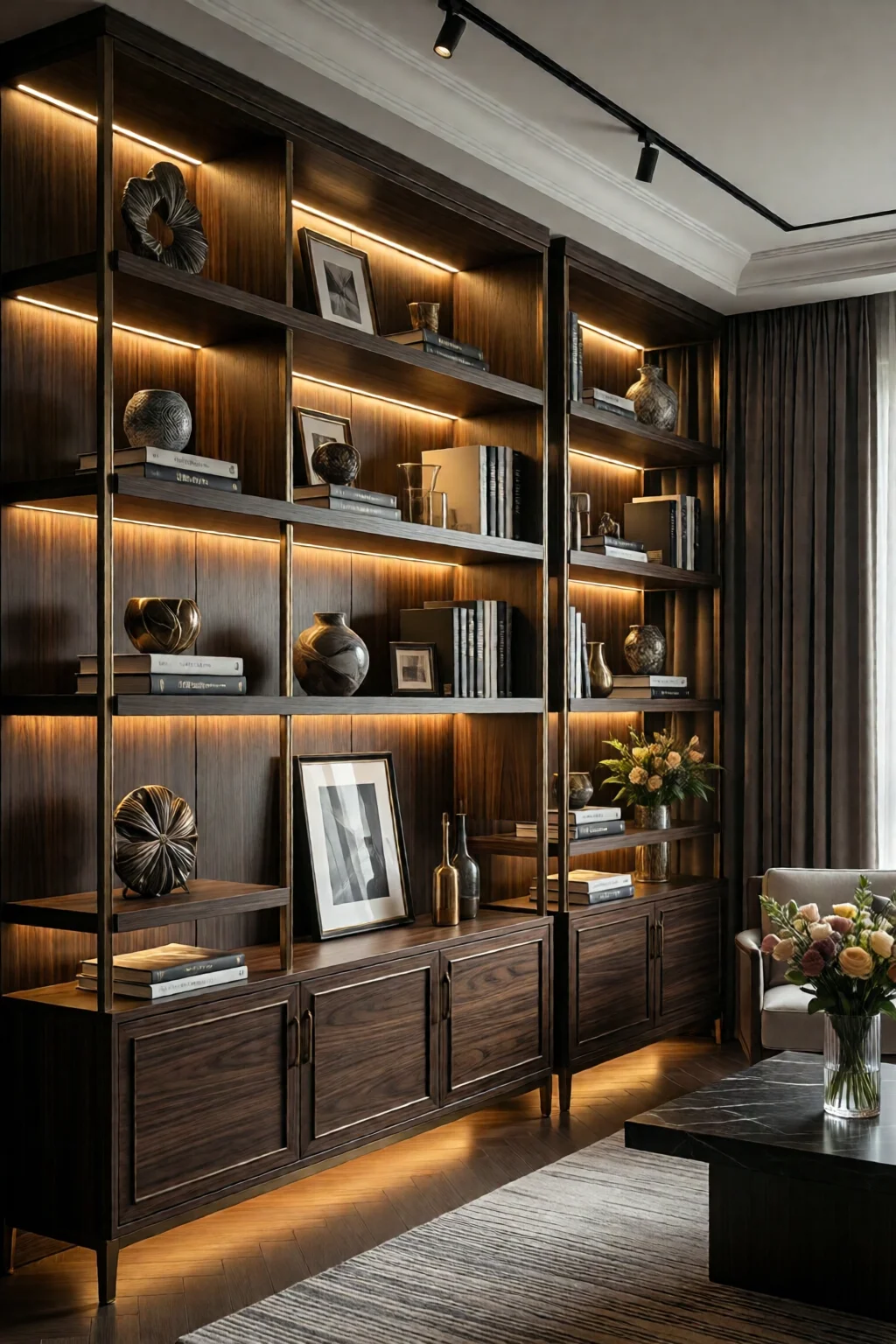
If you’re renovating, built‑ins offer the cleanest look. A custom cabinet measuring 96 in. × 12 in. × 10 in. at $85 per linear foot (total $816) can house a TV, hide cords, and showcase curated objects behind glass doors. Pair with recessed LED strips ($12 per foot) for a backlit showcase that doubles as ambient lighting.
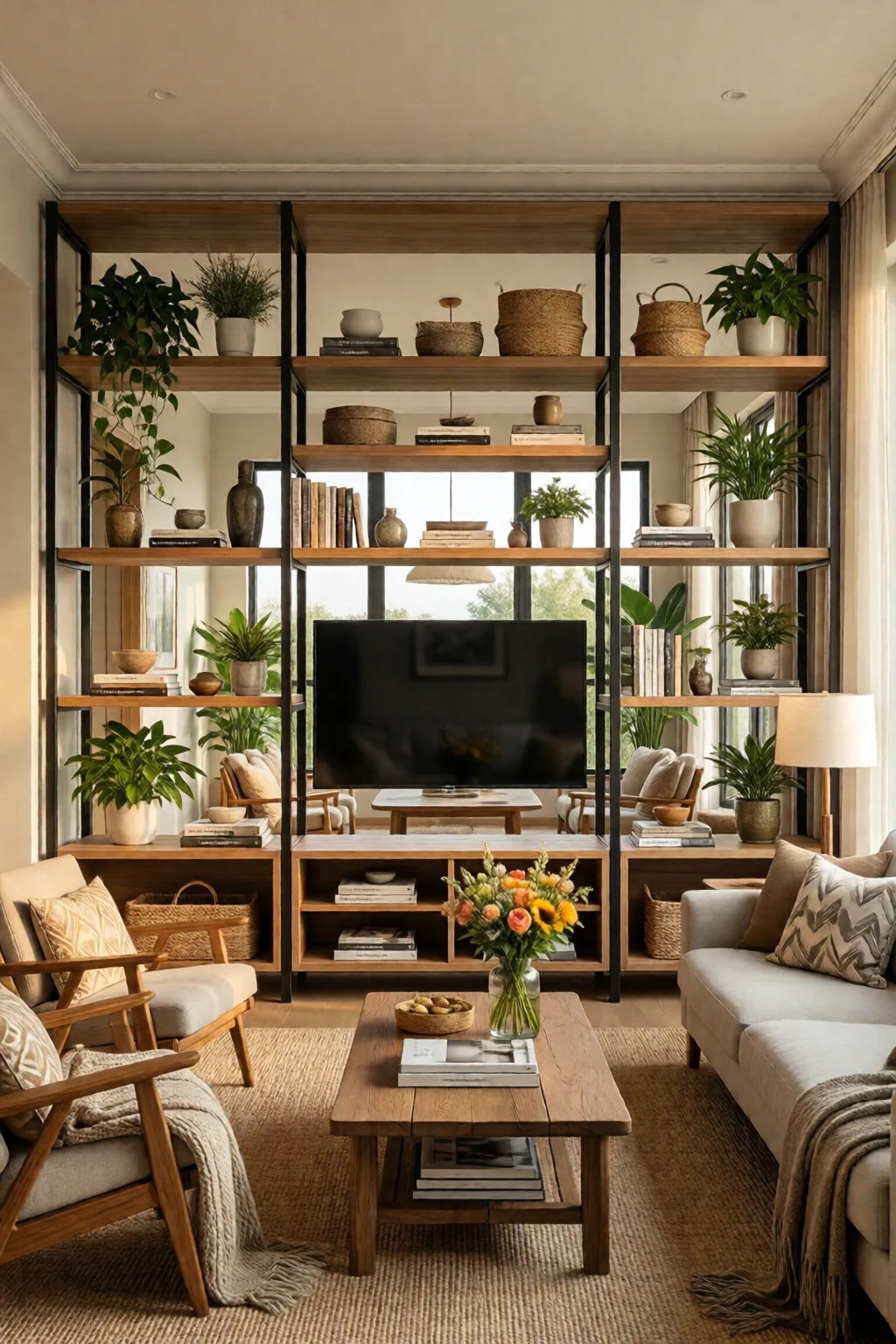
Curating Eye‑Catching Displays
Book arrangements – color vs. size
Books are the easiest way to fill a shelf, but they can also dominate it. I recommend the 60/40 rule: 60 % of the space for books, 40 % for décor. Group books by color in blocks of three to create a rainbow effect, or stack them horizontally for a modern look. A 12‑in. tall stack of paperbacks weighs roughly 8 lb., so a 30‑lb. shelf can hold four such stacks comfortably.
Art & sculpture – balancing weight
Heavy sculptures need sturdy brackets. The CB2 Cubic Shelf (24 in. × 24 in. × 12 in., $149) holds up to 45 lb. Place a 12‑in. ceramic vase (≈8 lb.) on the inner corner, then offset a small bronze figurine (≈5 lb.) on the opposite side to keep the visual weight even.
Greenery and vases – living accents
Plants soften hard lines. A 10‑in. × 10‑in. terracotta pot with a snake plant ($25) adds height without much weight (≈2 lb.). Use a mix of tall (e.g., fiddle leaf fig in a 15‑in. pot, $120) and trailing (e.g., pothos in a hanging glass globe, $30) to create layers. Remember to place a waterproof tray underneath to protect the shelf finish.
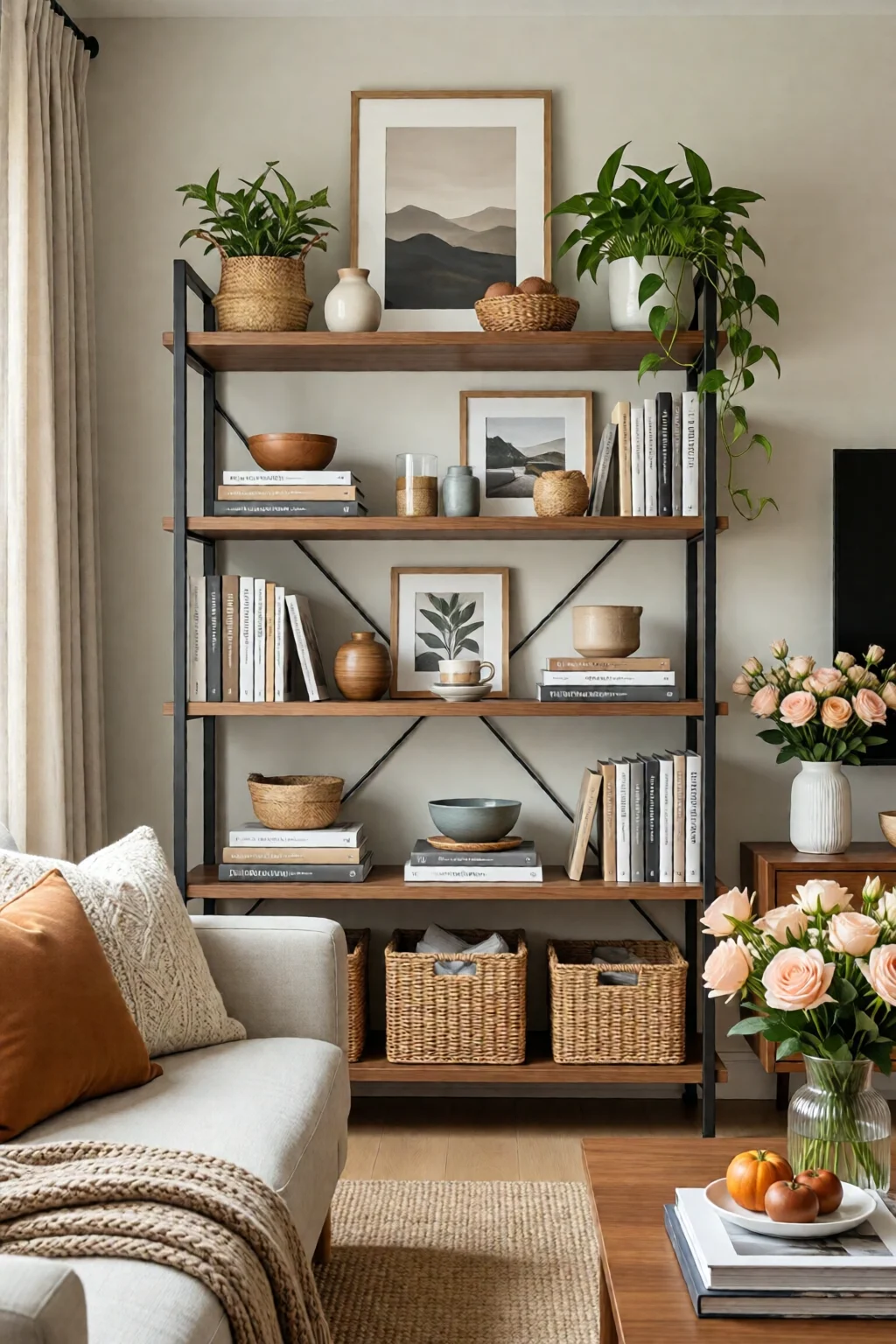
DIY and Upcycled Solutions
Repurposed crates and pallets
Wooden crates from a local hardware store ($8 each) can be sanded, painted, and stacked into a modular unit. A three‑crate stack supports up to 40 lb. per crate, perfect for books and small décor. Add metal L‑brackets ($5 each) for extra stability.
Custom painted plywood units
Cut ¾‑in. plywood to 30 in. × 12 in. panels, edge‑band them, and paint a matte teal for a pop of color. A simple pocket‑hole jig (≈$25) lets you attach the panels without visible screws. This DIY route costs roughly $70 for a set of three shelves, a fraction of the $300 retail price.
Wire grid systems – industrial flair
The Elfa Wire Grid from The Container Store (48 in. × 48 in., $119) lets you slide hooks, baskets, and small planters anywhere on the grid. It’s perfect for renters who can’t drill into walls—just use removable adhesive hooks ($8 a pack) to secure the grid.
Budget vs Luxury – Cost Breakdown
| Category | Entry‑Level (Under $150) | Mid‑Range ($150‑$500) | High‑End (Above $500) |
|---|---|---|---|
| Floating Shelf | IKEA LACK (24×10 in.) – $19 | West Elm Walnut (24×10 in.) – $199 | Custom Oak with LED backlight – $850 |
| Ladder Shelf | IKEA Kallax Ladder – $149 | CB2 Cubic Ladder – $299 | Design Within Reach Solid Teak – $1,200 |
| Built‑In Unit | DIY Plywood Kit – $250 | Modular BDI System – $1,200 | Custom Millwork – $3,500+ |
| Display Accessories | Thrifted Vases – $10‑$30 | West Elm Ceramic – $85 | Artemide Hand‑blown Glass – $420 |
Pro Tips from Our Experience
- Start with a focal piece. Place a bold artwork or a sculptural object at eye level; everything else should support it.
- Mix textures. Combine metal brackets, wooden shelves, and glass décor to avoid a flat look.
- Layer lighting. Use a combination of recessed LEDs (living room lighting ideas and fixtures) and accent lamps to highlight key items without washing out colors.
- Keep weight distribution in mind. Heavier items belong on the lower shelves; lighter objects float above.
- Refresh seasonally. Rotate vases, books, and textiles every 2‑3 months to keep the display feeling fresh.
Conclusion – Your Next Step
Take a tape measure, pick a style that matches your room’s vibe, and start small. A single floating shelf at $19 can become the launching pad for a layered, curated look that feels both functional and personal. Remember, the goal isn’t to fill every inch but to curate a story that reflects who you are.
Ready to transform your space? Choose one of the ideas above, set a weekend timeline (most DIY projects finish in 4‑6 hours), and watch your living room evolve from “just a room” to “your personal gallery.”
How much weight can floating shelves hold?
Most floating shelves with hidden brackets support 30‑45 lb. per shelf if installed into studs. For heavier loads, use a French cleat system or reinforce with metal brackets.
What’s the best height for a living room shelf?
Eye‑level (around 57‑62 in. from the floor) works for most people. If you have a high ceiling, consider a tiered arrangement that extends upward for visual interest.
Can I install shelves without drilling?
Yes. Use adhesive mounting strips (e.g., 3M Command) for lightweight shelves up to 10 lb., or employ tension‑rod systems and floor‑to‑ceiling grids for larger pieces.
How do I mix decor styles on the same shelf?
Anchor the look with a unifying element—color, material, or a repeated shape. For instance, pair a rustic wooden box with a sleek metal vase if both share a muted ivory tone.
Where can I find affordable ladder shelves?
IKEA’s Kallax ladder ($149) and Target’s Project 62 ladder shelf ($99) are reliable budget options that still look polished.
1 commentaire sur « Living Room Shelving Ideas And Displays – Everything You Need to Know »